Hard Water vs. Your Plumbing System: What Arizona Homeowners Need to Know

Aaron Mielke • May 14, 2026

Mineral buildup, water heater strain, pipe damage, and the hidden ways Arizona hard water can affect your home.

If you live in Arizona, chances are you’ve dealt with hard water whether you realized it or not. From white buildup on faucets to dry skin after a shower, hard water is one of the most common plumbing concerns for homeowners across Scottsdale, Fountain Hills, Paradise Valley, Phoenix, and surrounding areas.

But hard water does more than leave spots on your dishes. Over time, it can quietly affect your plumbing system, water heater, fixtures, appliances, and even your monthly utility bills.

At Plumbrite Services, we help Arizona homeowners identify the signs of hard water damage and recommend solutions that help protect both your plumbing system and your home investment.

What Is Hard Water?

Hard water contains high levels of dissolved minerals, primarily calcium and magnesium. Arizona’s desert water supply naturally contains a heavy mineral content, which is why hard water is so common throughout the Valley.

While hard water is generally safe to drink, the long-term effects on your plumbing system can become expensive if ignored.


Common Signs of Hard Water in Arizona Homes

Many homeowners live with hard water symptoms for years without realizing the minerals may be damaging their plumbing system behind the scenes.

Common signs include:

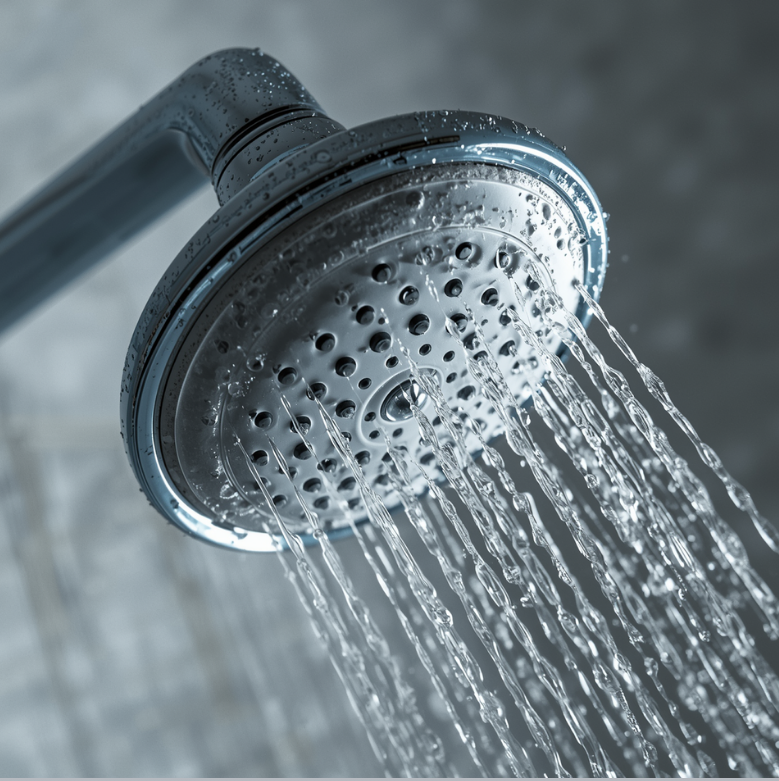
  • White chalky buildup on faucets and showerheads
  • Spots or film on dishes and glassware
  • Soap that doesn’t lather well
  • Dry skin or dull hair after showering
  • Reduced water pressure
  • Water heater inefficiency
  • Stiff laundry or faded clothing
  • Frequent plumbing fixture replacement

If you notice several of these symptoms, your home may benefit from a water softening or filtration solution.


How Hard Water Affects Your Plumbing System

Mineral Buildup Inside Pipes

One of the biggest plumbing concerns with hard water is scale buildup inside your pipes. Over time, calcium deposits can narrow water lines and restrict water flow throughout your home.

This may eventually contribute to:

  • Lower water pressure
  • Uneven water flow
  • Increased strain on plumbing components
  • Premature pipe wear

In older homes, mineral buildup can become severe enough to require partial repiping or pipe replacement.


Hard Water and Your Water Heater

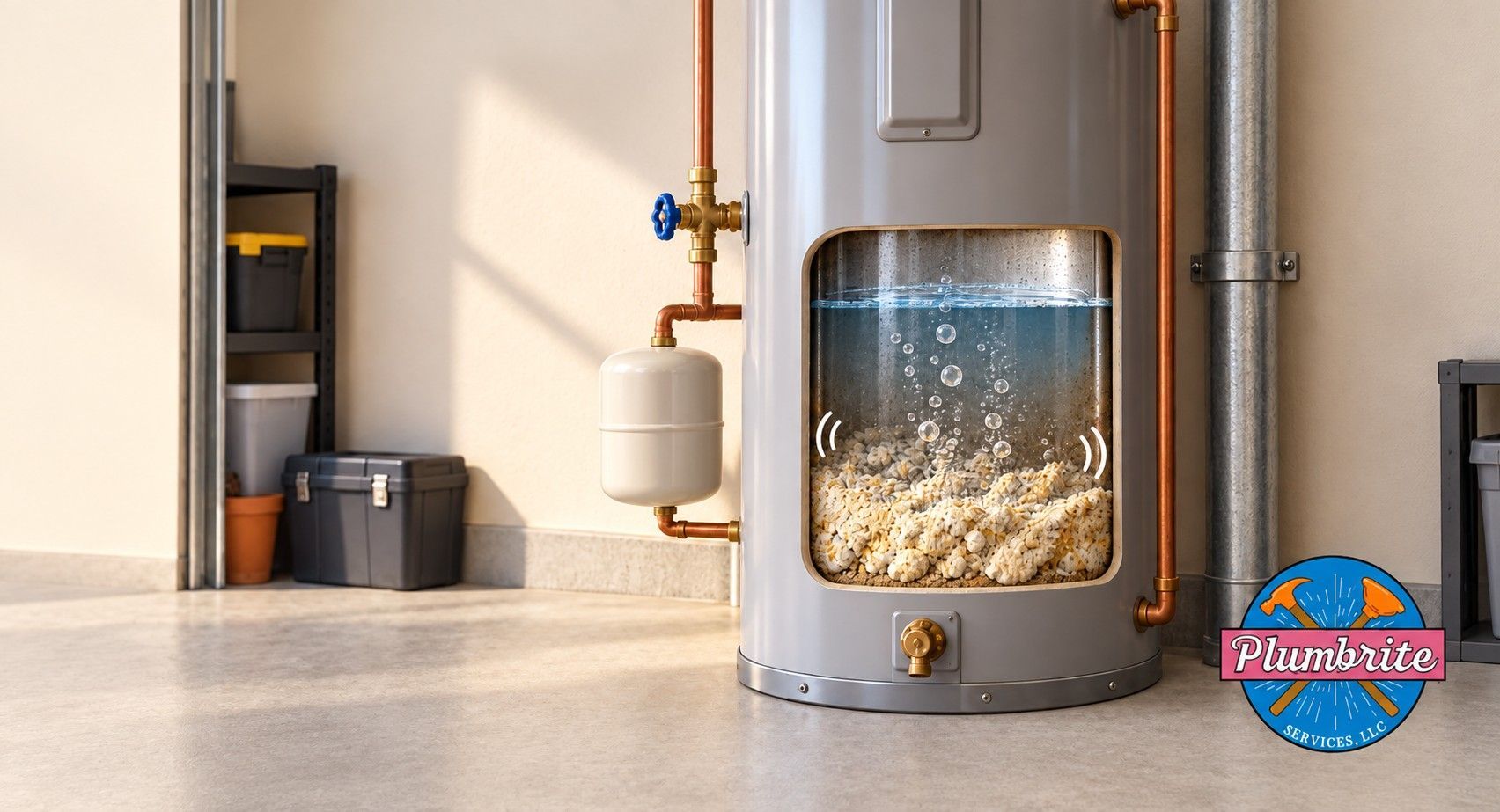
Arizona homeowners often experience water heater issues sooner because sediment and mineral deposits collect inside the tank over time.

Hard water can cause:

  • Reduced heating efficiency
  • Increased energy bills
  • Strange popping or rumbling sounds
  • Shorter water heater lifespan
  • Reduced hot water availability

Routine maintenance and flushing can help, but homes with severe hard water often benefit greatly from water treatment systems.


Appliances Can Suffer Too

Hard water doesn’t only affect pipes. Dishwashers, washing machines, refrigerators, and coffee makers can all experience mineral buildup that reduces efficiency and lifespan.

Even expensive fixtures and luxury plumbing finishes can become stained or damaged over time.


Should You Install a Water Softener?

For many Arizona homeowners, a professionally installed water softener can help:

  • Reduce mineral buildup
  • Improve water flow
  • Extend appliance lifespan
  • Improve soap and detergent performance
  • Protect plumbing fixtures
  • Improve water heater efficiency

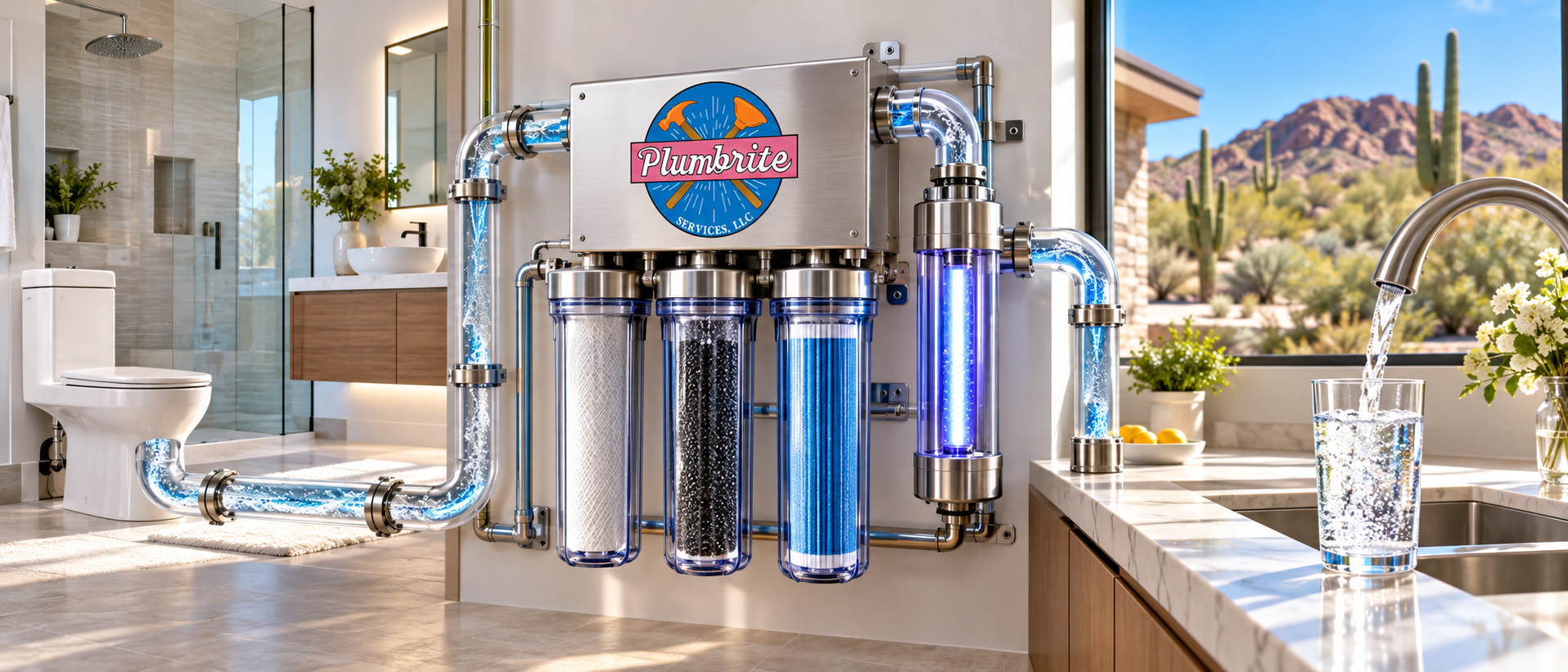
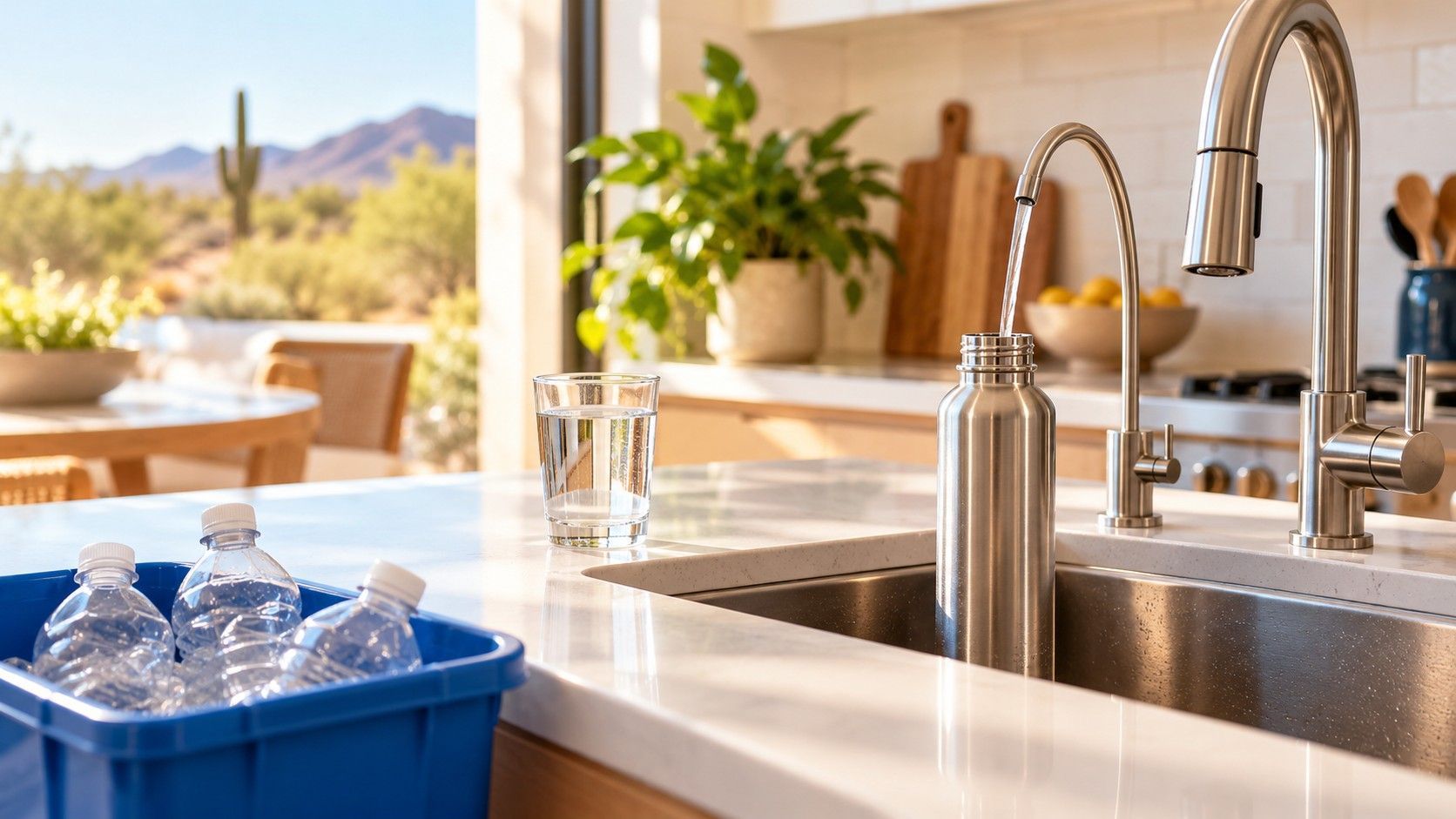
Some homeowners also choose to pair a softener with a whole-home filtration system for improved water quality and taste.


Arizona Homes Need Arizona Plumbing Solutions

Because hard water conditions vary throughout the Valley, there is no one-size-fits-all solution. A plumbing system in Scottsdale may experience different water conditions than a home in Rio Verde or Fountain Hills.

That’s why it’s important to work with a local plumbing company that understands Arizona water systems and how to properly protect your home long term.

At Plumbrite Services, we help homeowners throughout the Valley identify plumbing concerns related to hard water and recommend solutions designed specifically for Arizona homes.

If you’re noticing hard water symptoms, reduced water pressure, or recurring plumbing issues, our team is here to help.


If you want it done right, call Plumbrite!
By Aaron Mielke May 18, 2026
What Scottsdale & Phoenix Homeowners Should Know About Kitchen Drains
By Aaron Mielke May 11, 2026
How Arizona Heat, Hard Water & Soil Movement Can Impact Your Home’s Plumbing
By Aaron Mielke May 8, 2026
If you’re dealing with sewer issues in Phoenix, Scottsdale, or anywhere across the Valley, one of the biggest questions homeowners face is:
By Aaron Mielke May 3, 2026
Learn when Arizona homes may need repiping and what homeowners in Scottsdale & Fountain Hills can expect during the process.
By Aaron Mielke April 27, 2026
You turn on the shower expecting a normal start to your day… and instead, it’s barely a trickle. Low water pressure has a way of sneaking up on you. Sometimes it’s gradual. Sometimes it feels like it happened overnight. Either way, it’s frustrating, and it usually means something has changed behind the scenes. If you’re in Scottsdale, Fountain Hills, or nearby areas, here are the most common reasons your water pressure suddenly drops… and what you should do next. A Hidden Leak Somewhere in the System One of the most common causes of sudden low water pressure is a leak . It could be underground near your main water line, behind a wall, under your foundation, or even near your water meter. When water escapes before it reaches your fixtures, you’ll notice a pressure drop. What to look for: • Unexplained wet spots in your yard • A spike in your water bill • The sound of running water when nothing is on This is one you don’t want to ignore. Small leaks can turn into big (and expensive) problems fast. Buildup Inside Your Pipes Over time, minerals from Arizona’s hard water can build up inside your pipes. That buildup slowly restricts water flow until one day… You notice the pressure just isn’t what it used to be. This is especially common in older homes, homes without a water softener, or homes with aging plumbing systems. A Failing Pressure Regulator If your whole home is experiencing low pressure, your pressure regulator could be the issue. This device controls the water pressure coming into your home. When it starts to fail, pressure can drop suddenly or fluctuate. Signs this might be the problem: • Low pressure throughout the entire house • Inconsistent flow (sometimes strong, sometimes weak) • Recent plumbing work Fixture-Specific Issues Sometimes the problem isn’t your whole system… It’s just one fixture. Showerheads and faucets can get clogged with mineral deposits, sediment, or debris. If only one sink or shower is affected, this is a good place to start. City or Neighborhood Water Supply Changes Occasionally, the issue isn’t inside your home at all. Water pressure can drop due to city maintenance, nearby construction, or high demand during peak usage times. If your neighbors are experiencing the same issue, this could be the cause. Valve Issues (More Common Than You Think) It sounds simple, but it happens all the time. Your main shut-off valve or water meter valve might not be fully open—especially if you’ve recently had plumbing work done or the city accessed your water line. Even a partially closed valve can significantly reduce pressure. What Should You Do Next? Low water pressure isn’t something to ignore, but it’s also not something to panic about. Start with the basics. Check if it’s affecting the whole house or just one fixture. Ask a neighbor if they’re noticing the same thing. Look for obvious signs of leaks or water issues. If the cause isn’t clear, it’s worth having a professional take a look . Catching the issue early can save you from bigger repairs down the road—and help your home feel normal again. Local Help in Scottsdale & Fountain Hills If your water pressure has dropped and you’re not sure why, the team at Plumbrite Services is here to help. We’ll take the time to diagnose the issue properly, explain what’s going on, and walk you through your options in a way that makes sense. Because when something feels off in your home, you deserve clear answers and reliable solutions. If you want it done right, call Plumbrite. 📞 602-740-0549
By Aaron Mielke April 22, 2026
A small plumbing drip can lead to water damage, mold, and costly repairs. Learn why early plumbing repairs matter for Arizona homes.
By Aaron Mielkee April 18, 2026
If you’re dealing with low water pressure, unexplained leaks, or an aging water line in Scottsdale or Fountain Hills, you may be facing a major repair. The good news? It doesn’t always mean digging up your entire yard. Trenchless water line replacement is quickly becoming one of the most efficient and least invasive ways to solve serious plumbing issues—especially in Arizona homes where landscaping, hardscaping, and irrigation systems can be costly to disturb. What Is Trenchless Water Line Replacement? Traditional water line replacement often involves extensive digging to access and replace damaged pipes. Trenchless methods, on the other hand, allow plumbers to replace or repair underground lines with minimal disruption. This means: Less damage to your yard, driveway, or patio Faster completion times Long-term durability with modern materials Common Signs You May Need Water Line Replacement Homeowners in Scottsdale and Fountain Hills often notice early warning signs before a full failure occurs. These can include: Sudden drops in water pressure Unexplained increases in water bills Wet spots in your yard or foundation areas Discolored or rusty water Ignoring these signs can lead to more extensive and expensive damage over time. Why Trenchless Is Ideal for Arizona Homes Many homes in this area have mature landscaping, decorative stone, or irrigation systems that can be costly to repair after traditional excavation. Trenchless solutions help preserve these investments while still addressing the root problem. It’s also a great option for properties with limited access or tight spaces where traditional digging would be difficult. Repair vs Replacement: What’s Right for You? Not every issue requires a full replacement. In some cases, targeted repairs or reroutes may be enough. A professional inspection can help determine whether trenchless replacement is the most cost-effective long-term solution. At Plumbrite, we take the time to walk homeowners through their options so they can make an informed decision—without pressure. Final Thoughts Major plumbing issues don’t have to mean major disruption. If you’re experiencing water line problems in Scottsdale or Fountain Hills, trenchless solutions may offer a faster, cleaner, and more efficient path forward. If you want it done right, call Plumbrite.
By Aaron Mielke April 15, 2026
A Rio Verde Homeowner’s Guide to Cleaner, Safer Water
By Aaron Mielke April 11, 2026
If you own a home in Old Town Scottsdale or parts of Phoenix, there’s a good chance your plumbing system includes older sewer lines—many of which were built with materials like cast iron that deteriorate over time. The thought of replacing a sewer line can be overwhelming, especially when it traditionally involves digging up floors, driveways, or landscaping. That’s where sewer lining comes in . What Is Sewer Lining? Sewer lining, also known as CIPP (Cured-In-Place Pipe), is a trenchless repair method that allows plumbers to restore your existing pipes from the inside. Instead of removing the damaged pipe, a specialized liner is inserted and cured in place, creating a new, durable pipe within the old one. Why Homeowners Are Choosing Sewer Lining Sewer lining has become increasingly popular in Scottsdale and Phoenix for several reasons: • Minimal digging or disruption • Faster turnaround compared to full replacement • Long-lasting results • Cost-effective for many situations This is especially important in older neighborhoods where infrastructure is aging but access is limited. Signs You May Need Sewer Repair Sewer issues often start small but can escalate quickly. Watch for: • Frequent drain backups • Slow drains throughout the home • Foul odors coming from drains • Gurgling sounds in pipes If you’re experiencing any of these symptoms, it’s important to have your system inspected before the problem worsens. Is Sewer Lining Always the Best Option? While sewer lining is a great solution in many cases, it’s not always the right fit. Severely collapsed pipes or extreme damage may still require traditional replacement. A professional evaluation can help determine the best path forward based on your specific situation. Final Thoughts For many homeowners in Scottsdale and Phoenix, sewer lining offers a modern, less invasive way to solve an old problem. If you’re dealing with sewer issues and want to explore your options, working with an experienced team can make all the difference. If you want it done right, call Plumbrite.
By Aaron Mielke April 7, 2026
Repiping Your Home in Scottsdale or Fountain Hills: When It’s Time and What to Expect Let’s be honest—no one wakes up excited about the idea of repiping their home. It’s not flashy. It’s not fun. And it’s definitely not something most homeowners plan for. But if you live in Scottsdale or Fountain Hills, especially in an older home, repiping is one of those things that eventually moves from “maybe someday” to “okay… we need to talk about this.” The good news? Once it’s done, it’s one of the most impactful upgrades you can make to your home—and your peace of mind. What Does “Repiping” Actually Mean? Repiping simply means replacing some or all of the water lines in your home .If you're starting to notice recurring issues, it may be worth taking a closer look at your options for repiping your home . Over time, pipes wear out. Materials like copper and CPVC—both common in Arizona—can corrode, crack, or become brittle. And once that starts happening, you’re no longer dealing with a one-time issue… you’re dealing with a pattern. Repiping breaks that cycle. Instead of fixing one leak after another, you’re essentially hitting reset on your plumbing system. Signs It Might Be Time to Repipe Most homeowners don’t jump straight to repiping—and they shouldn’t. But there are a few signs that start to point in that direction. If you’re dealing with frequent leaks, that’s usually the first clue. Maybe it started with one repair, then another… and now it feels like every few months something else pops up. You might also notice low water pressure, discolored water, or pipes that just seem to be aging out all at once. In Fountain Hills and parts of Scottsdale, we often see homes where the plumbing has simply reached the end of its lifespan. At that point, continuing to patch things up can actually cost more in the long run than replacing the system altogether. Why This Is So Common in Arizona Homes Arizona is tough on plumbing—there’s really no way around it. Hard water plays a big role. Over time, mineral buildup can wear down pipes from the inside out. Add in heat, soil movement, and older building materials, and it creates the perfect storm for plumbing issues. In areas like Scottsdale and Fountain Hills, many homes were built during growth booms decades ago. That means a lot of plumbing systems are aging at the same time. Again—it’s not unusual. It’s just timing. What the Repiping Process Looks Like This is usually the part people worry about most. And fair enough—no one wants their home turned upside down. But modern repiping is far more streamlined than people expect. In many cases, plumbers can reroute new piping through walls and ceilings with minimal disruption to your daily life. Yes, there may be some access points and a bit of drywall work afterward—but it’s typically manageable and temporary. And once it’s done? You’re not dealing with recurring leaks, surprise repairs, or water pressure issues anymore. That alone is worth it for most homeowners. Repair vs Repiping: How Do You Decide? This is one of the most common questions we get. If you’ve had one isolated issue, a repair is usually the right call. But if problems are popping up in multiple areas—or your plumbing system is showing its age across the board—it may be time to zoom out and look at the bigger picture. Repiping isn’t about overreacting. It’s about recognizing when repeated repairs are no longer the most cost-effective option. And honestly? A good plumber will walk you through that decision without pushing you one way or the other. Why Waiting Can Cost More It’s tempting to keep fixing things as they come up. But here’s what we see all the time: small leaks turn into water damage, emergency calls, and unexpected costs. And beyond the repairs themselves, there’s the stress of never quite knowing when the next issue will show up. Repiping removes that uncertainty. It gives you a reliable system—and one less thing to worry about. The Bottom Line Repiping might not be the most exciting home project… but it’s one of the most valuable. If your home in Scottsdale or Fountain Hills is starting to show signs of aging plumbing, it’s worth taking a closer look. Because sometimes the best solution isn’t another repair—it’s a fresh start. If your home is showing signs of aging plumbing, it may be time to explore a long-term solution . ✨ If you want it done right, call Plumbrite.