Why Does My Plumbing Smell? Common Household Odors Explained
Learn what common plumbing odors may be telling you and when it's time to call a professional before a small issue becomes a costly repair.
Your home's plumbing system shouldn't draw attention to itself. It quietly delivers clean water, removes wastewater, and helps keep your home comfortable every day. So when an unusual smell suddenly appears, it's often a sign that something isn't quite right.
Maybe you've noticed a rotten egg smell when running the hot water, a sewer odor coming from a bathroom drain, or a musty smell under the kitchen sink. While some plumbing odors have simple explanations, others can indicate hidden leaks, drainage problems, or sewer issues that should be addressed before they become more serious.
Knowing what different plumbing odors may mean can help you determine when a quick fix is all that's needed—and when it's time to call a professional.
Why Does My Drain Smell Like Sewage?
One of the most common complaints homeowners have is a drain that smells like sewage.
In many cases, the cause is a dry P-trap. Every sink, shower, tub, and floor drain has a curved section of pipe designed to hold a small amount of water. That water creates a seal that prevents sewer gases from traveling back into your home.
If a drain hasn't been used for a while, the water inside the trap can evaporate, allowing unpleasant odors to escape. This often happens in guest bathrooms, laundry rooms, or homes that have been vacant for an extended period.
Fortunately, the solution can be as simple as running water into the drain for a few seconds to refill the trap.
If the smell returns quickly or never goes away, there may be another issue, such as a damaged vent pipe, a cracked drain line, or a sewer problem that requires professional inspection.
Why Does My Hot Water Smell Like Rotten Eggs?
If you only notice a sulfur or rotten egg smell when using hot water, your water heater may be the source.
Certain naturally occurring bacteria can react with the anode rod inside the water heater, producing hydrogen sulfide gas. While the smell is unpleasant, it doesn't necessarily mean your water heater needs to be replaced.
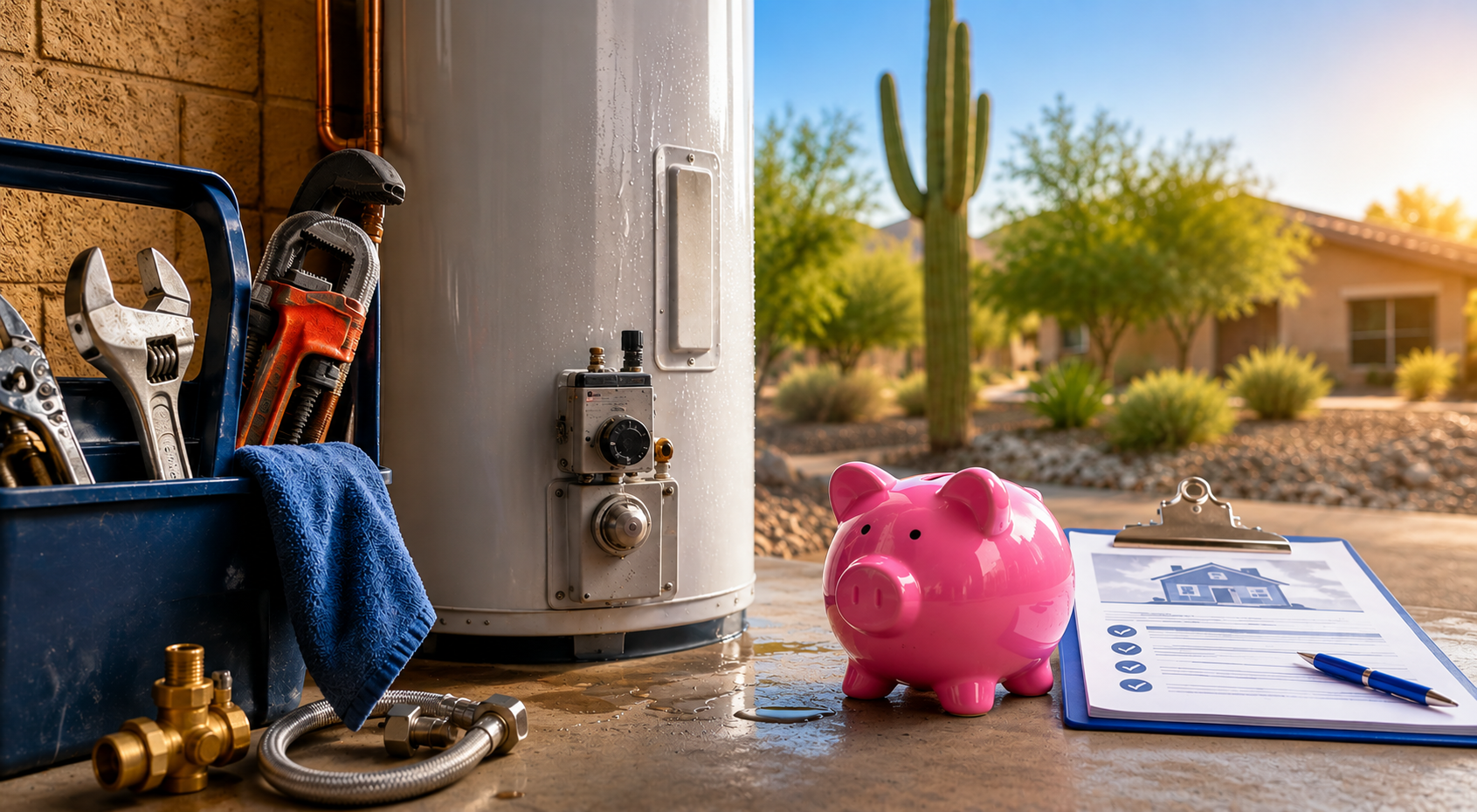
A professional inspection can determine whether the issue can be resolved by flushing the tank, replacing the anode rod, or performing other maintenance that restores your water heater's performance.
Routine water heater maintenance can often prevent these issues before they develop.
A Musty Smell Could Mean a Hidden Leak
Not every plumbing odor comes from your drains.
A damp, musty smell beneath a kitchen or bathroom sink often points to excess moisture caused by a slow leak. Because these leaks usually develop gradually, homeowners frequently notice the odor before they ever discover water damage.
Take a few moments to look inside the cabinet beneath your sinks. If you see moisture, staining, warped wood, or signs of mold or mildew, it's a good idea to have the plumbing inspected before the problem becomes more extensive.
Catching a slow leak early can prevent costly cabinet repairs and water damage later.
Why Does My Garbage Disposal Smell?
Garbage disposals work hard every day, and over time, food particles can become trapped beneath the rubber splash guard or inside the grinding chamber.
As food begins to break down, unpleasant odors can develop.
Regular cleaning helps keep your disposal fresh, but it's also important to avoid putting grease, coffee grounds, fibrous vegetables, pasta, rice, and other starchy foods down the disposal. These materials can contribute to buildup, unpleasant smells, and drainage issues.
If the odor persists even after cleaning, there may be a clog or another issue that should be inspected.
Sewer Smells Outside Your Home
If you notice a sewer odor while walking around your yard or near your home's foundation, don't ignore it.
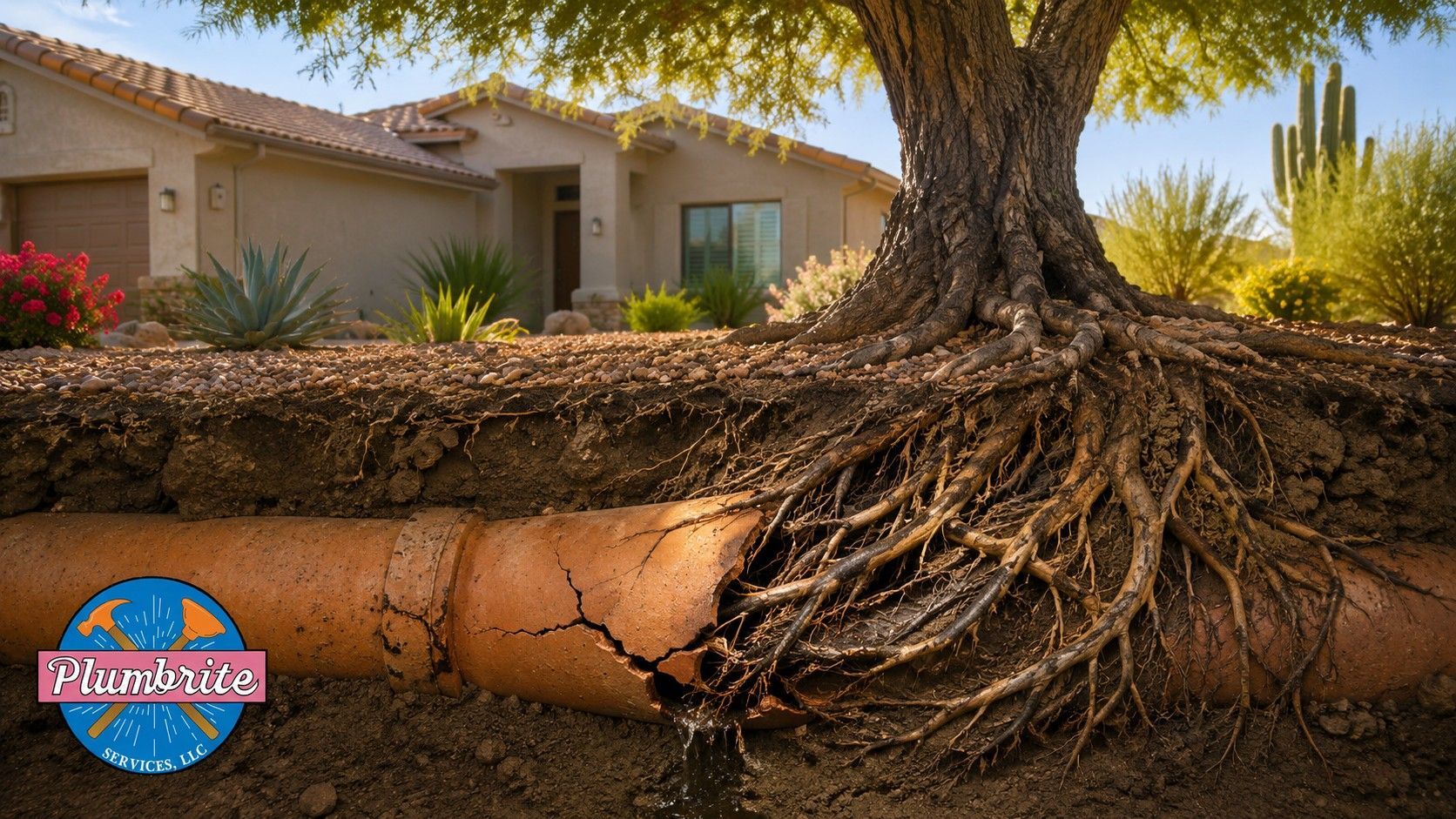
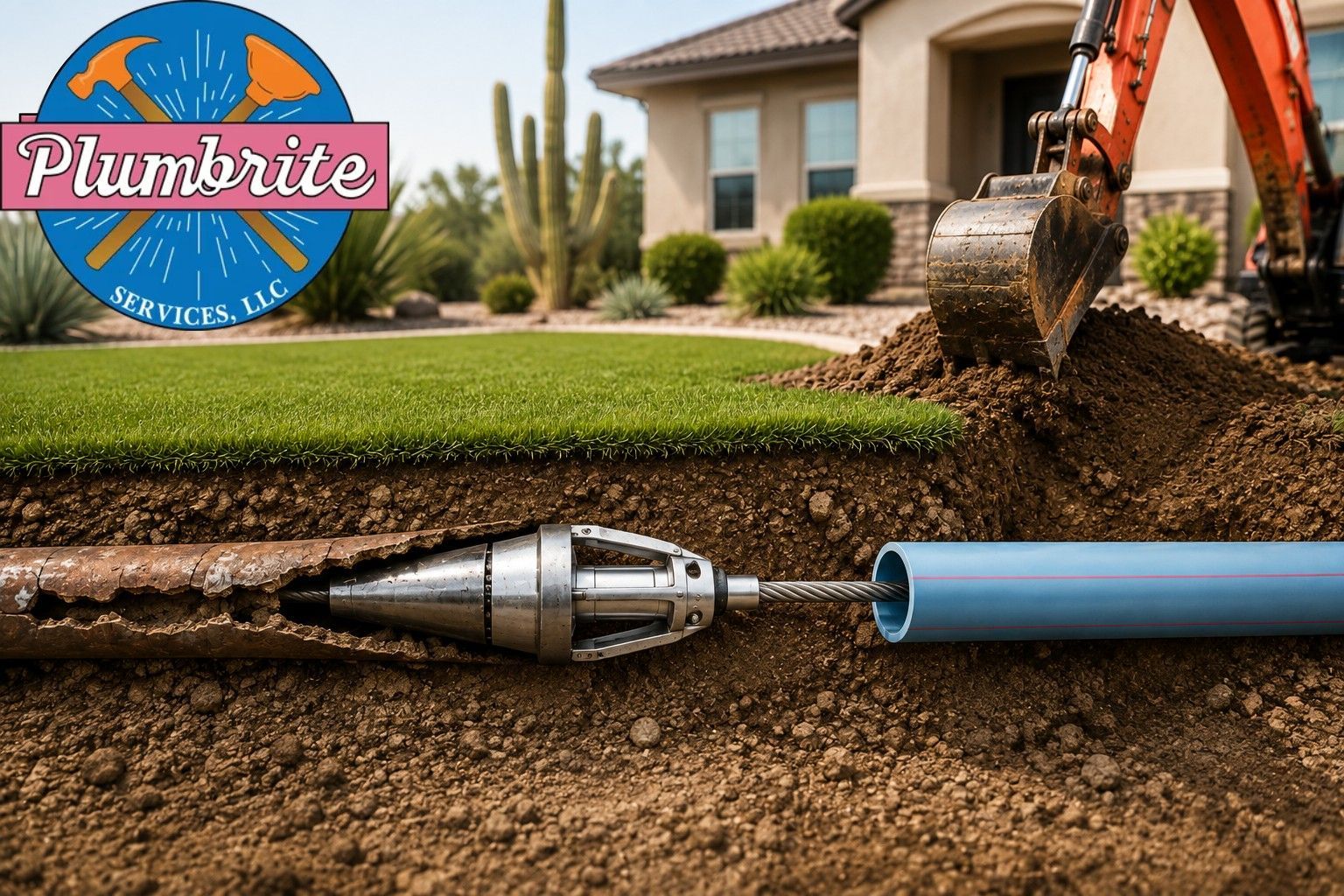
Outdoor sewer smells can sometimes indicate a damaged sewer line, a loose cleanout cap, blocked plumbing vents, or another issue within your drainage system.
Some causes are relatively minor, while others can become expensive repairs if left untreated. Having the problem inspected early can often save time, money, and frustration.
Why You Shouldn't Ignore Plumbing Odors
A strange smell doesn't always mean you have a plumbing emergency, but it is your home's way of letting you know something deserves attention.
Small plumbing issues have a tendency to become larger ones when ignored. A minor leak can lead to water damage. A drain problem can become a blockage. A sewer odor may point to a ventilation or drainage issue that won't improve on its own.
Addressing plumbing concerns early is almost always easier—and less expensive—than waiting until a larger repair becomes necessary.
Preventative Maintenance Makes a Difference
Many plumbing odor problems can be avoided through routine maintenance and periodic inspections.
Checking for small leaks, flushing your water heater, inspecting drains, and keeping plumbing fixtures clean can help prevent many of the issues that cause unpleasant odors in the first place.
Preventative maintenance not only protects your plumbing system but also helps extend the life of your home's fixtures and appliances.
Trust Plumbrite Services to Find the Source
If you've noticed an unusual plumbing odor that won't go away, Plumbrite Services is here to help.
Our experienced technicians take the time to identify the source of the problem, explain what's causing the odor, and recommend practical, honest solutions that fit your home's needs. Whether it's a hidden leak, a drain issue, a water heater concern, or a sewer line problem, we'll work to restore your plumbing system quickly and professionally.
Don't let a strange smell become a bigger plumbing problem. Contact Plumbrite Services today to schedule an inspection and let our experienced team help keep your home's plumbing clean, safe, and operating at its best.