Why Arizona Water Heaters Need to Be Flushed More Often Than You Think
How Hard Water Impacts Performance, Efficiency, and the Lifespan of Your Water Heater
Most homeowners don't think much about their water heater until something goes wrong.
Maybe the hot water doesn't last as long as it used to.
Maybe the utility bill keeps creeping upward.
Maybe the water heater starts making strange popping or rumbling noises in the garage.
In many cases, those issues aren't caused by a defective water heater. They're caused by something slowly building up inside the tank.
Here in Arizona, hard water is simply part of life. The minerals naturally found in our water can collect inside a water heater over time, reducing efficiency and creating additional wear on the system. That's one reason water heater maintenance is especially important for homeowners in Scottsdale, Fountain Hills, Paradise Valley, Rio Verde, and throughout the Valley.
Arizona's Hard Water Creates Unique Challenges
Arizona has some of the hardest water in the country.
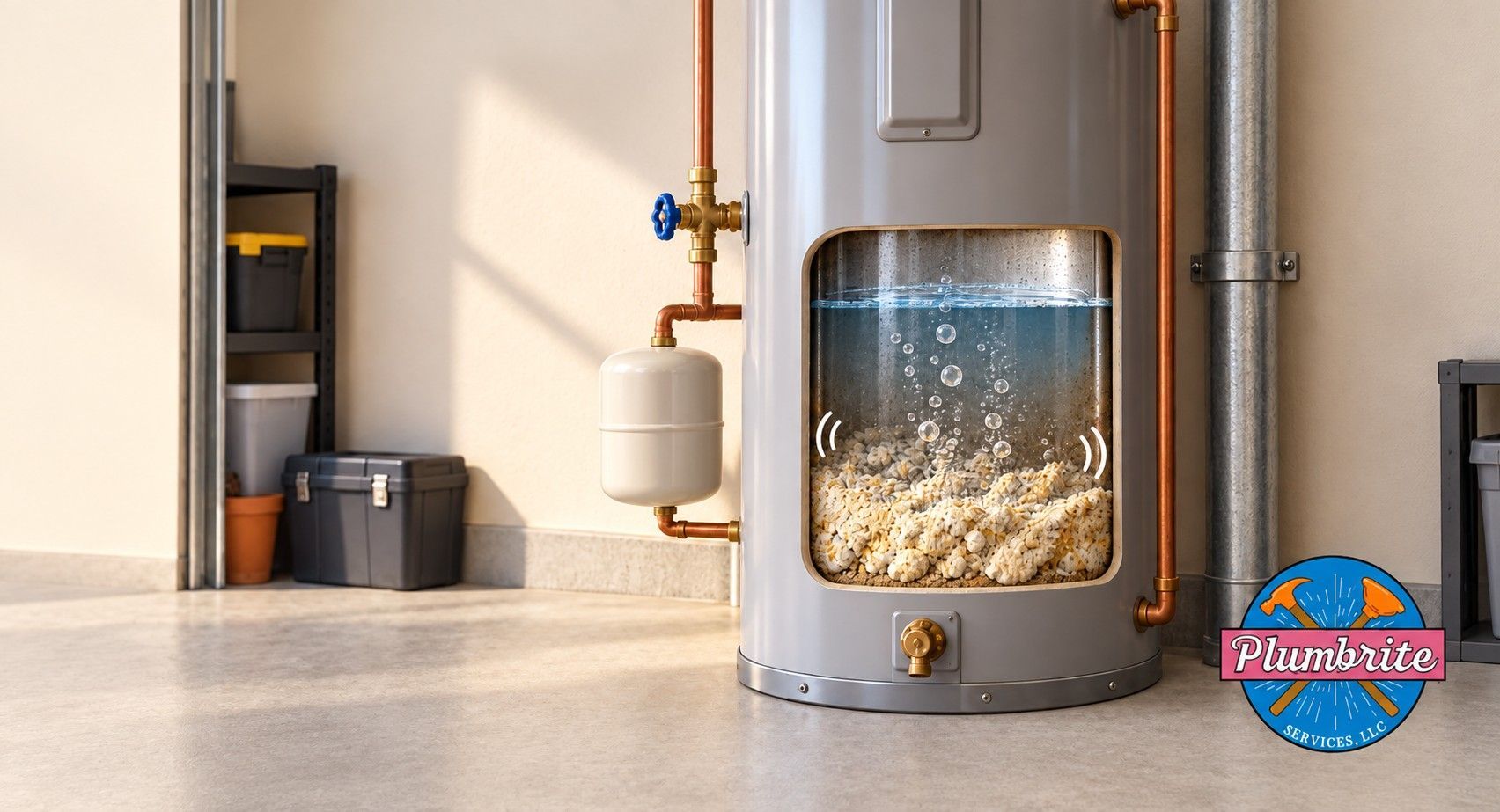
Every time water enters your home, it carries dissolved minerals such as calcium and magnesium. As that water is heated, small amounts of those minerals settle to the bottom of the tank. Over time, those deposits begin to accumulate and create a layer of sediment inside the water heater.
The process is gradual, which is why most homeowners don't notice it happening.
Unfortunately, your water heater notices.
As the sediment layer grows, the system has to work harder to heat the same amount of water. That extra effort can affect efficiency, performance, and the overall lifespan of the unit.
What Happens Inside a Water Heater Over Time?
One of the easiest ways to think about sediment buildup is to imagine placing a blanket between the heat source and the water you're trying to warm.
The thicker that blanket becomes, the harder the water heater has to work.
Over time, sediment can reduce the amount of available hot water, increase heating times, and force the system to use more energy than necessary. In some cases, it can even contribute to premature failure of the tank.
The older the water heater and the harder the water, the more important routine maintenance becomes.
Warning Signs Your Water Heater May Need Attention
Many homeowners don't realize sediment buildup is becoming a problem until they begin noticing changes in performance.
Some of the most common warning signs include:
- Popping or rumbling noises coming from the tank
- Hot water running out faster than normal
- Longer wait times for hot water
- Rising energy bills
- Rust-colored or discolored water
If your water heater is showing any of these symptoms, it may be time to have the system inspected.
How Often Should Arizona Homeowners Flush Their Water Heater?
Most manufacturers recommend flushing a traditional tank water heater at least once each year.
In Arizona, that recommendation is especially important because of our hard water conditions.
The ideal maintenance schedule depends on several factors, including the age of the water heater, how much hot water your household uses, the hardness of your water, and whether your home has a water filtration or softening system.
While every home is different, annual maintenance is one of the simplest ways to help protect your investment and keep your water heater operating efficiently.
Can Flushing a Water Heater Extend Its Life?
No maintenance service can guarantee a water heater will last forever, but regular flushing can help reduce unnecessary strain on the system.
Many homeowners experience benefits such as:
- Improved energy efficiency
- Faster hot water recovery times
- Better overall performance
- Reduced sediment-related wear
- Longer system life
Considering the cost of replacing a water heater, preventative maintenance is often one of the most affordable ways to protect the equipment you already own.
Should You Flush a Water Heater Yourself?
Some homeowners choose to perform basic maintenance themselves, and in certain situations that may be appropriate.
However, older drain valves, heavy sediment buildup, and aging equipment can sometimes create unexpected complications. What starts as a simple maintenance project can quickly turn into a repair call if something doesn't go as planned.
If you're unsure about the condition of your water heater, having it inspected by a plumbing professional can provide peace of mind and help identify potential concerns before they become larger problems.
How Water Filtration Can Help
One of the best ways to reduce sediment buildup is to address the source of the problem.
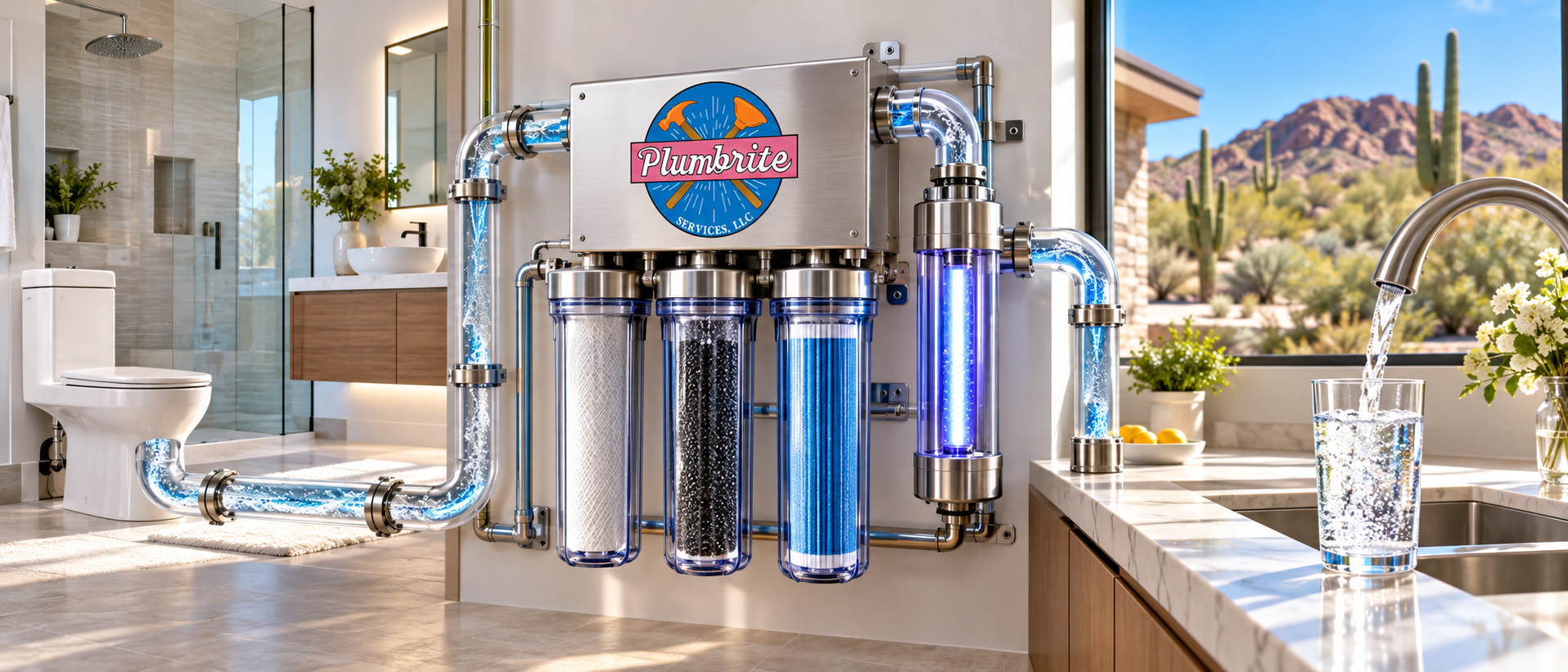
Many Arizona homeowners install water filtration or water softening systems to help minimize the effects of hard water throughout the home. These systems can help protect water heaters, plumbing fixtures, appliances, pipes, showerheads, and faucets from excessive mineral accumulation.
Over time, reducing that buildup can improve efficiency and help extend the life of your plumbing system as a whole.
Final Thoughts
Your water heater works hard every day, but Arizona's hard water can make that job even more difficult.
As minerals accumulate inside the tank, efficiency can decrease and wear on the system can increase. Regular maintenance, including periodic flushing, can help improve performance and reduce the likelihood of costly repairs down the road.
At PlumbRite Services, we help homeowners throughout Scottsdale, Fountain Hills, Paradise Valley, Rio Verde, and surrounding communities keep their plumbing systems operating at their best. Whether your water heater needs maintenance, repair, or replacement, our team is here to help.
A little preventative maintenance today may help prevent a much larger plumbing bill tomorrow.