We Removed a Toilet and Found This Growing Underneath
Slow-flushing toilets, recurring clogs, and sewer backups can sometimes be traced to tree roots growing inside underground sewer lines.
Most homeowners assume a toilet that won't flush is caused by a simple clog.
That's exactly what this customer thought.
The complaint seemed straightforward. The toilet wasn't flushing properly, and the issue had been getting worse over time. What appeared to be a routine service call quickly turned into something much more surprising.
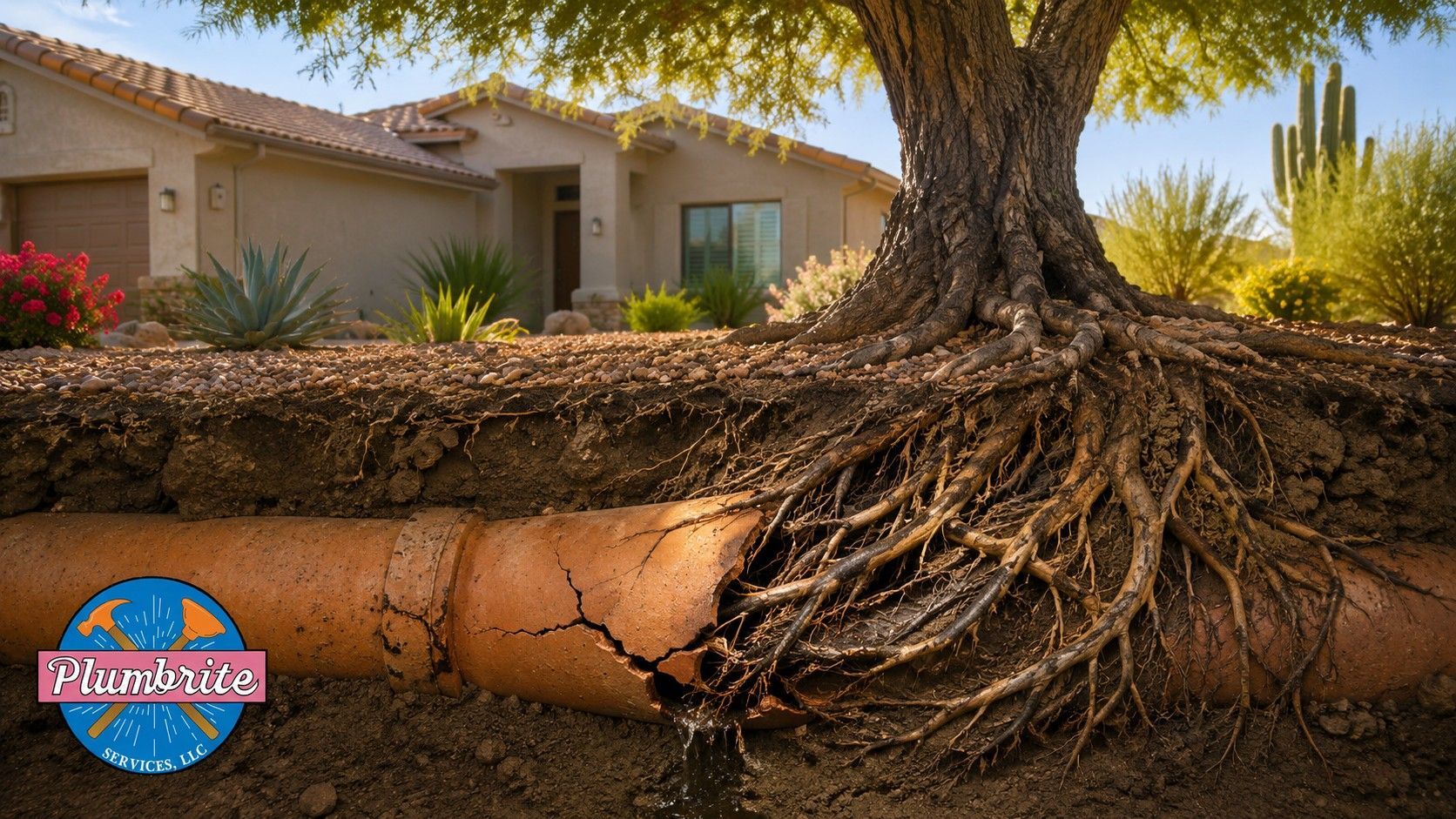
After removing the toilet, our technicians discovered tree roots growing into the drain opening beneath it.
While it may seem unbelievable, tree roots are one of the most common causes of sewer line problems. In Arizona, roots naturally seek out moisture, and even a small crack, loose joint, or vulnerable connection in a sewer line can provide the perfect opportunity for roots to enter and grow.
Once inside the pipe, roots continue to expand as they search for water and nutrients. Over time, they can catch debris, restrict water flow, and eventually create severe blockages that affect the entire plumbing system.
How Tree Roots Get Into Sewer Pipes
Many homeowners assume sewer pipes are completely sealed, but older pipes and even some newer systems can develop weak points over time.
Tree roots can enter through:
- Small cracks in sewer lines
- Pipe joints
- Aging pipe materials
- Shifting soil conditions
- Previous pipe damage
Once roots find a water source, they continue growing and can quickly turn a minor issue into a major plumbing problem.
Common Signs of Tree Root Intrusion
Tree roots often cause symptoms long before homeowners realize what's happening underground.
Some of the most common warning signs include:
- Toilets that flush slowly
- Recurring clogs
- Multiple drains backing up
- Gurgling sounds from drains or toilets
- Sewer odors inside the home
- Slow-draining sinks, tubs, or showers
If you find yourself repeatedly dealing with these issues, the problem may not be a simple clog.
How Plumbers Diagnose Root Problems
The most effective way to identify root intrusion is with a sewer camera inspection.
A specialized waterproof camera is inserted into the sewer line, allowing technicians to see exactly what's happening inside the pipe. This technology helps determine the location of the blockage, the extent of root growth, and whether the pipe itself has been damaged.
Without a camera inspection, the real cause of the problem often remains hidden. Many homeowners spend months fighting recurring clogs without realizing that roots are continuing to grow inside the pipe.
How Tree Roots Are Removed
Depending on the severity of the intrusion, roots can often be removed using professional hydro jetting equipment.
Hydro jetting uses high-pressure water to cut through roots, remove buildup, and restore proper flow throughout the pipe. In many cases, it provides a highly effective solution without the need for excavation.
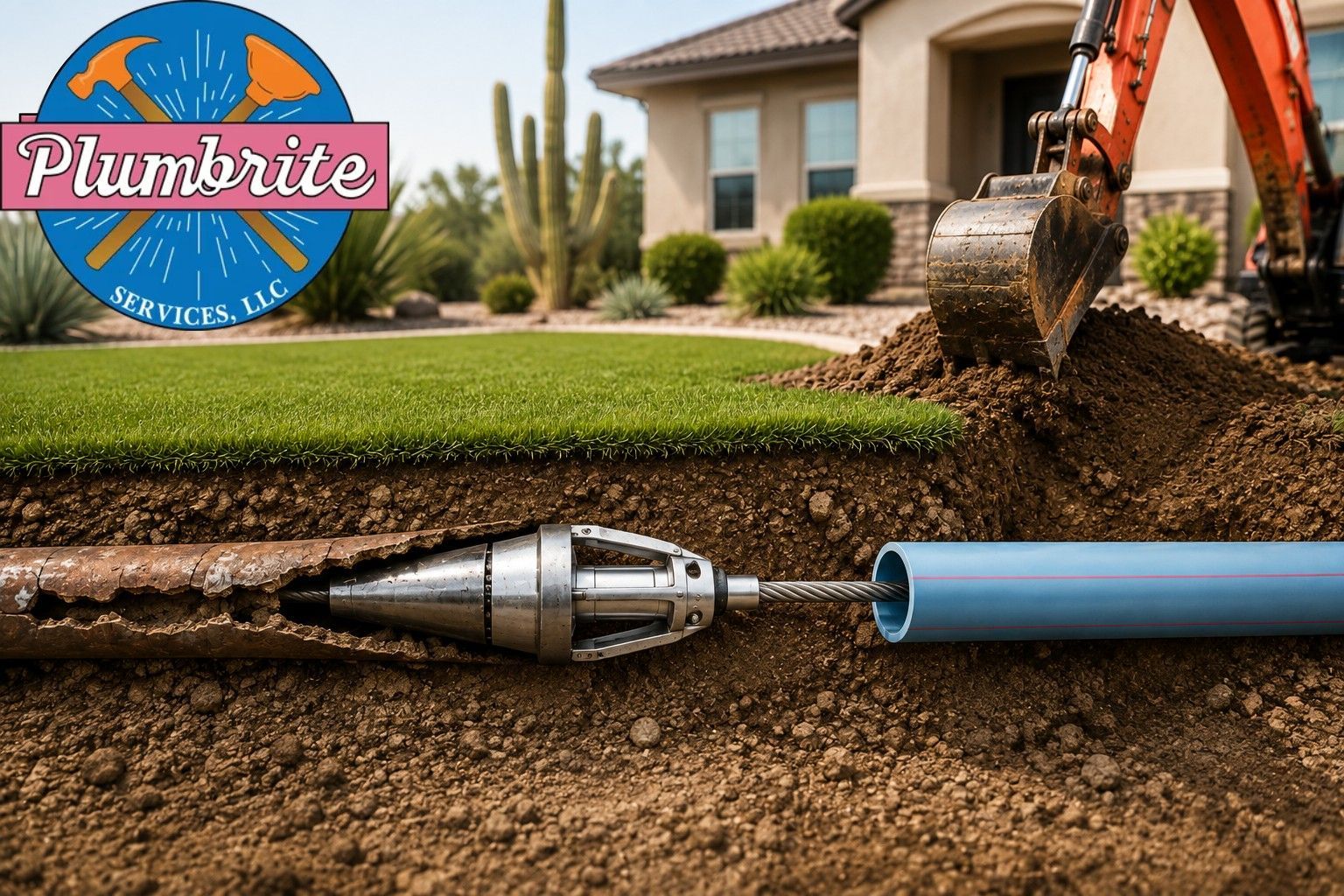
If the roots have caused significant pipe damage, sewer line repair or replacement may be recommended to prevent future problems. The right solution depends on the condition of the pipe and the extent of the intrusion.
Why Proper Diagnosis Matters
What started as a simple complaint about a toilet that wouldn't flush turned out to be a much larger sewer line issue.
This is a perfect example of why proper diagnosis matters. Treating the symptom might provide temporary relief, but identifying the actual cause is what leads to a lasting solution.
If you're experiencing recurring clogs, slow drains, or plumbing issues that keep coming back, it may be time to look deeper.
Sometimes the problem is much bigger than the toilet.
And sometimes, it's growing underneath it.
If you want it done right, call Plumbrite!