How Arizona Heat Affects Your Plumbing System More Than You Think
From shifting soil and hard water to irrigation leaks and hidden pipe damage, Arizona summers can put more stress on your plumbing system than most homeowners realize.
Arizona's extreme heat can stress pipes, accelerate mineral buildup, increase irrigation failures, and contribute to costly plumbing leaks. Learn how summer temperatures impact your plumbing system and what homeowners can do to protect it.
When Arizona temperatures climb into the triple digits, most homeowners worry about their air conditioner. Few realize that the same extreme heat can quietly impact their plumbing system as well. From underground water lines and irrigation systems to water heaters and outdoor fixtures, Arizona's climate creates challenges that homeowners in other parts of the country rarely experience.
Between scorching temperatures, dry soil conditions, hard water, and increased water usage, Arizona plumbing systems face unique stresses that can contribute to leaks, damaged pipes, irrigation problems, and premature equipment failure. Understanding these risks can help homeowners avoid costly repairs and keep their plumbing systems operating efficiently all summer long.
1. Pipe Expansion Creates Stress on Plumbing Systems
Like most materials, plumbing pipes naturally expand and contract as temperatures change.
While plumbing systems are designed to accommodate normal movement, years of repeated expansion and contraction can place stress on fittings, joints, and connections. This is especially true in older homes where plumbing systems have already experienced decades of wear and tear.
Over time, small weaknesses can develop into leaks that often go unnoticed until water damage or unusually high water bills appear.
2. Dry Arizona Soil Can Shift Underground Pipes
One of the most overlooked plumbing risks in Arizona happens underground.
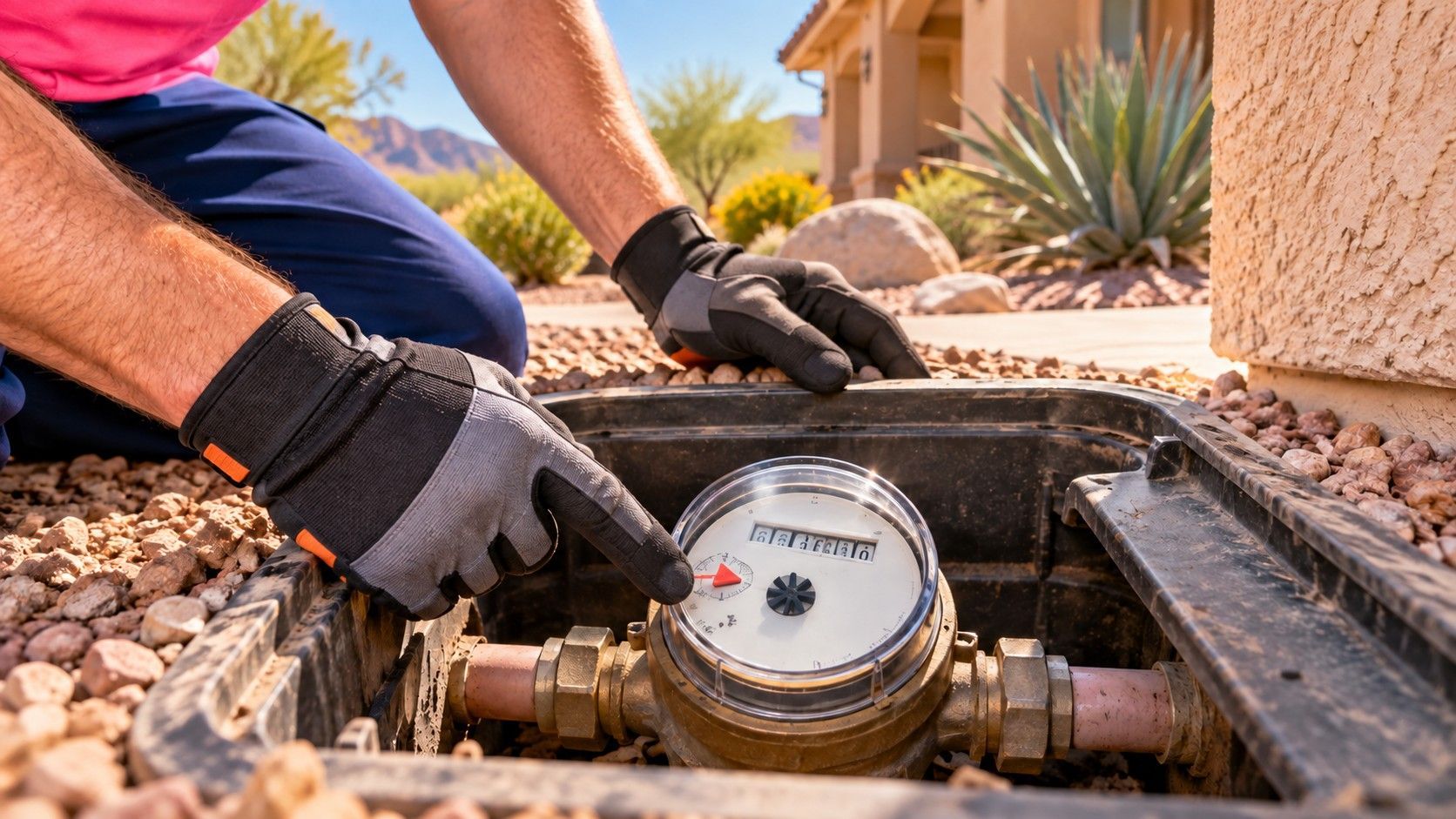
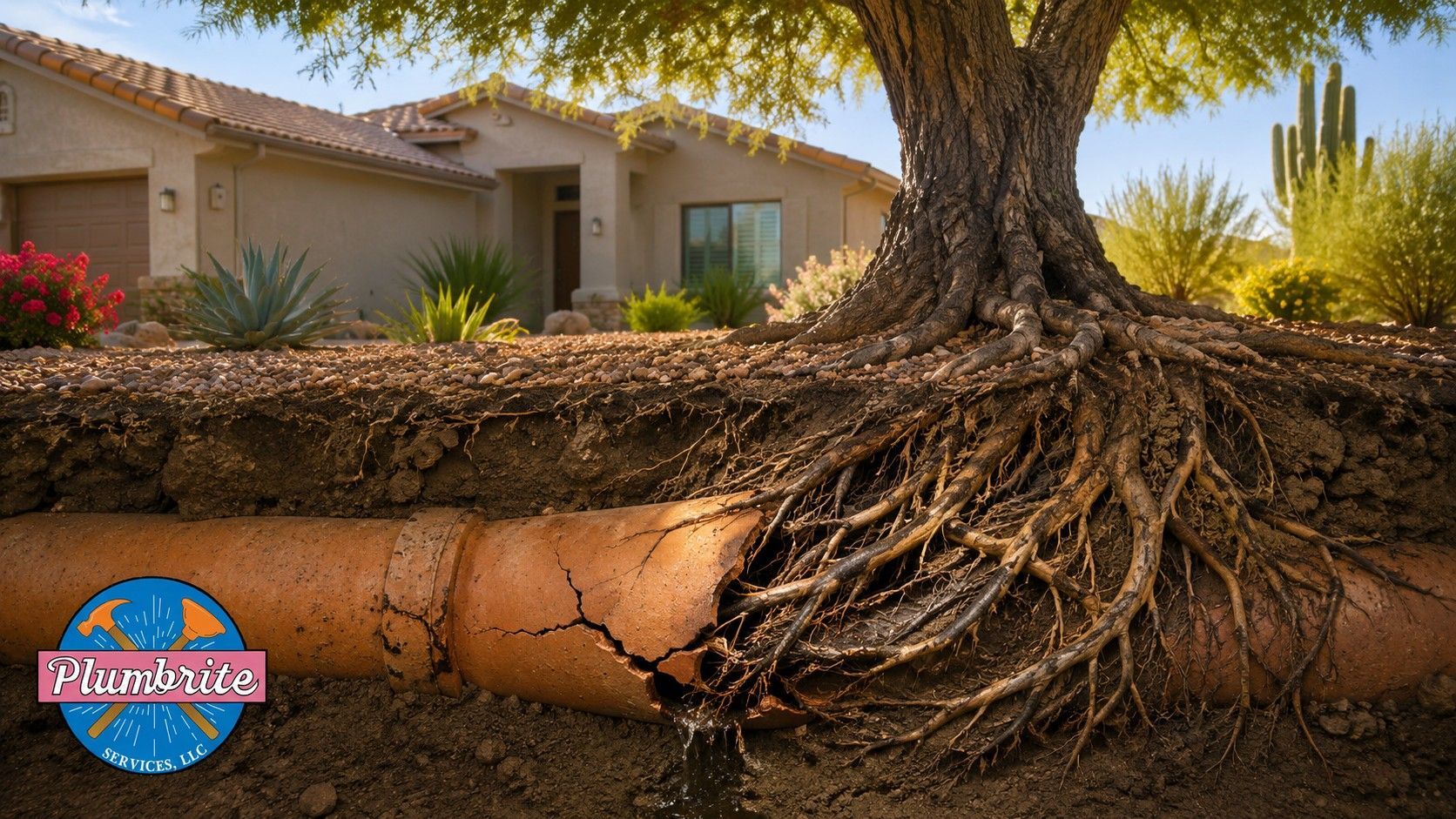
As summer temperatures increase, the soil surrounding buried water lines can dry out and shrink. This movement can place pressure on underground plumbing and cause pipes to shift over time.
In some cases, soil movement contributes to water line leaks, slab leaks, or damage to underground irrigation systems.
This is especially common in communities throughout Scottsdale, Fountain Hills, Cave Creek, and Rio Verde, where prolonged dry periods and shifting soil conditions can place additional stress on underground plumbing lines.
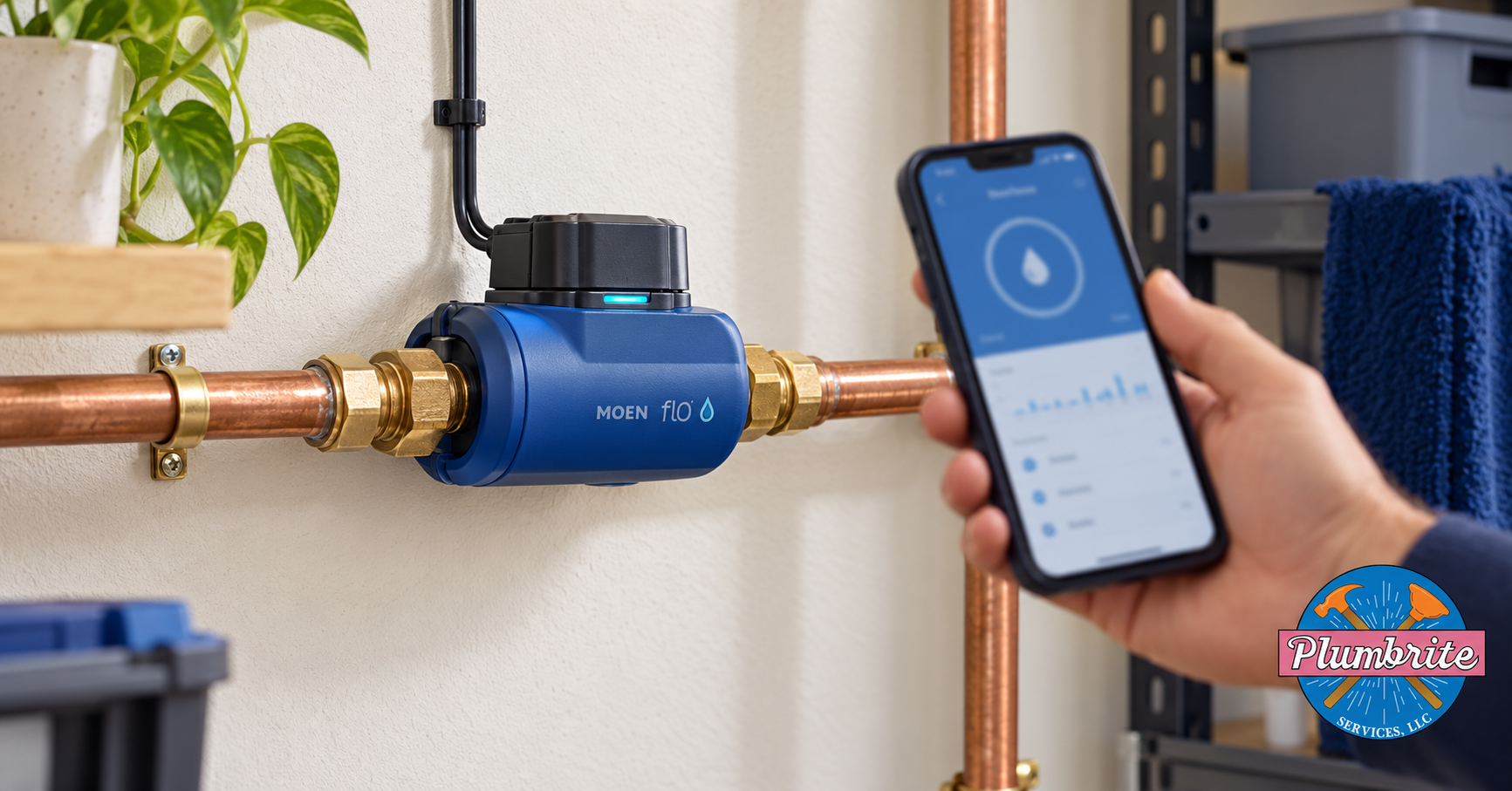
If you've noticed unexplained wet spots, foundation concerns, or rising water bills, it may be time to schedule professional leak detection services.
3. Irrigation Systems Work Overtime During Summer
Arizona homeowners rely heavily on irrigation systems to keep landscaping alive during the hottest months of the year.
That means irrigation valves, drip systems, sprinkler heads, and underground irrigation lines often operate daily for extended periods. The increased workload accelerates wear and tear, making summer one of the most common times for irrigation leaks, broken valves, damaged drip lines, and water waste.
Regular inspections can help catch small irrigation issues before they become expensive landscaping headaches.
4. Outdoor Plumbing Fixtures Face Constant Sun Exposure
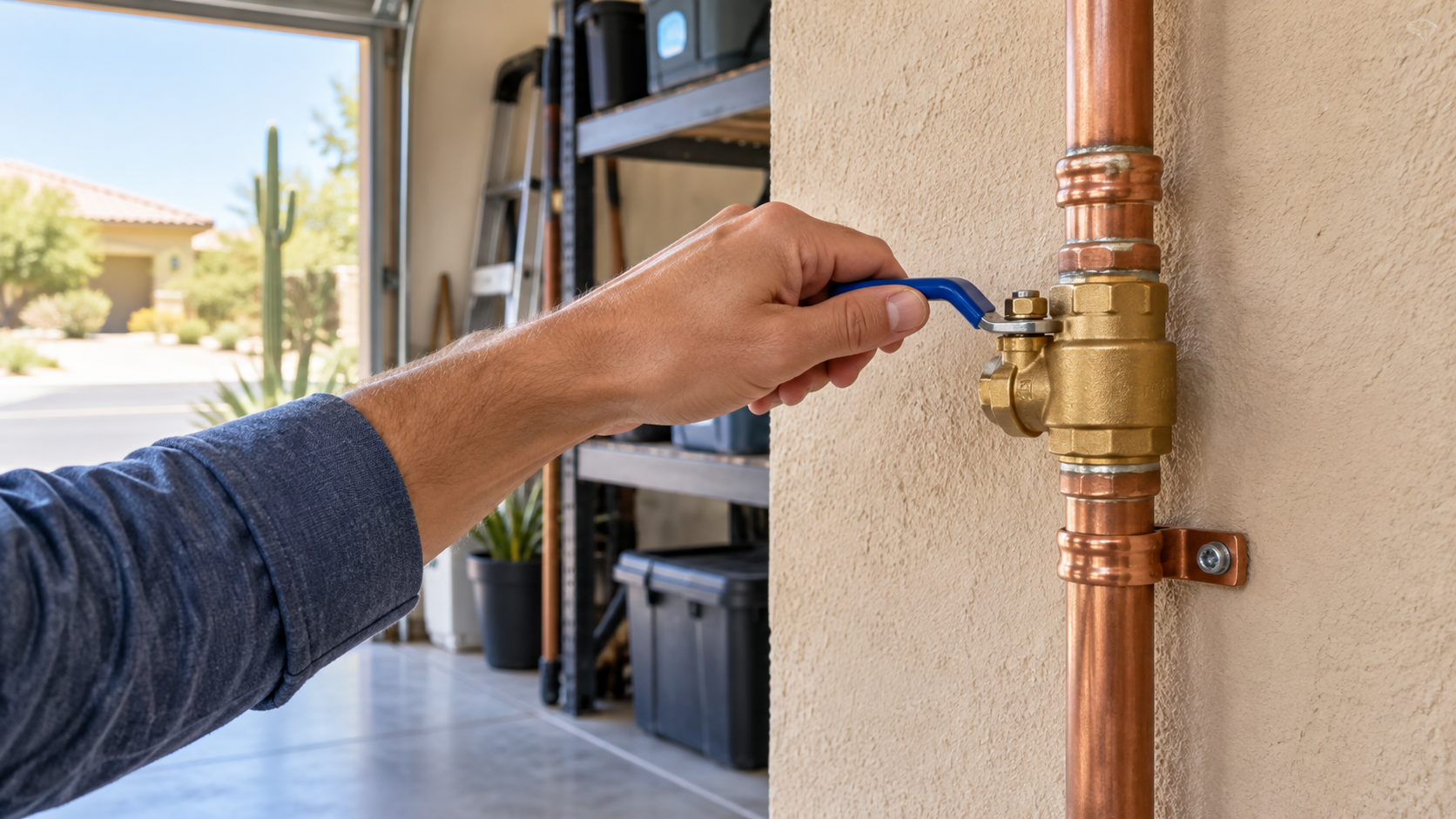
Hose bibs, irrigation components, pressure vacuum breakers, and other outdoor plumbing fixtures spend their lives exposed to Arizona's intense sunlight.
Over time, ultraviolet rays and extreme temperatures can cause plastic components, seals, and rubber gaskets to deteriorate faster than expected.
Many outdoor plumbing repairs begin with a small crack or worn seal that develops after years of direct sun exposure. Checking outdoor plumbing fixtures each summer can help identify potential issues before they fail.
5. Arizona Hard Water Accelerates Mineral Buildup
Hard water is already a challenge throughout much of the Phoenix metro area.
When combined with Arizona's heat and heavy water usage, mineral deposits can accumulate more quickly inside fixtures, pipes, water heaters, and appliances.
Common signs of hard water buildup include reduced water pressure, white mineral deposits around fixtures, water heater inefficiency, shortened appliance lifespan, and more frequent plumbing repairs.
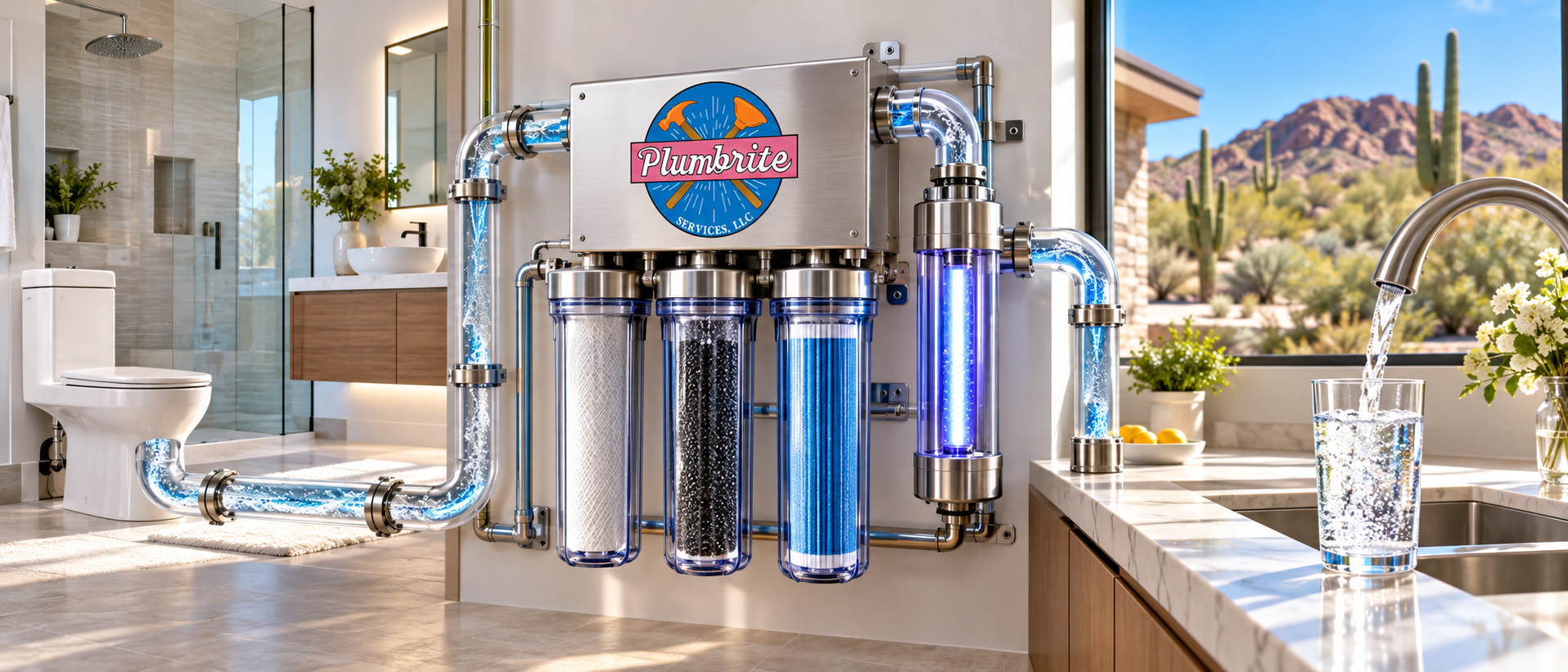
Many homeowners choose to install a water softener to help protect their plumbing system from long-term hard water damage.
6. Water Heaters Continue Working Hard Year-Round
It's easy to assume water heaters get a break during the summer.
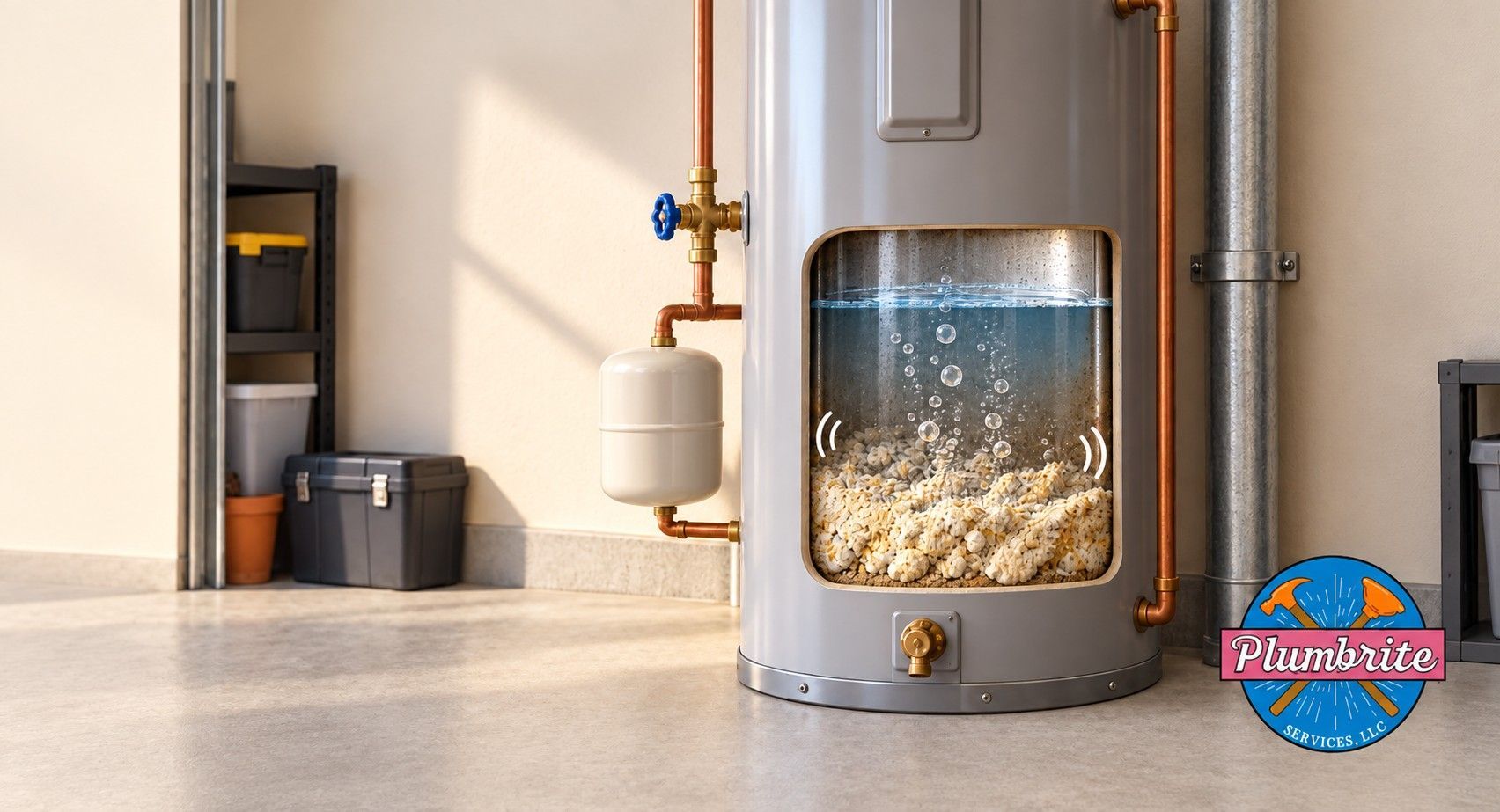
In reality, Arizona's hard water continues to create sediment buildup inside the tank regardless of the season. Over time, this buildup can reduce efficiency, increase energy costs, and shorten the lifespan of the unit.
Annual maintenance and periodic flushing can help remove sediment and keep water heaters operating more efficiently.
7. Small Leaks Can Become Expensive Problems Quickly
Arizona homeowners often don't discover plumbing leaks right away.
Because the ground dries quickly and water evaporates rapidly, leaks can remain hidden longer than expected. By the time warning signs appear, significant damage may have already occurred.
Common signs of a hidden plumbing leak include unexplained increases in water bills, damp spots in landscaping, low water pressure, foundation concerns, or irrigation systems that seem to run constantly.
Addressing small leaks early is almost always less expensive than waiting for a larger repair.
How Homeowners Can Protect Their Plumbing During Arizona Summers
A few simple preventative measures can help reduce the risk of plumbing problems during the hottest months of the year.
Homeowners should regularly inspect irrigation systems, monitor water pressure, check outdoor plumbing fixtures, address leaks promptly, schedule water heater maintenance, and consider installing a water softener if hard water is a concern.
Arizona summers are tough on homes. A little preventative maintenance today can help you avoid water damage, unexpected repairs, and costly plumbing emergencies later. The sooner small issues are identified, the easier and less expensive they are to fix.
Need Help With Plumbing Repairs in Scottsdale or the Surrounding Areas?
At Plumbrite Services, we understand the unique challenges Arizona homeowners face. From leak detection and water heater repairs to water softener installation and irrigation troubleshooting, our team helps homeowners throughout Scottsdale, Fountain Hills, Cave Creek, Rio Verde, and surrounding communities protect their plumbing systems year-round.
If you suspect a leak, have concerns about your irrigation system, or simply want peace of mind before another Arizona summer heats up, we're here to help.