Why Did My Water Pressure Suddenly Drop?
Common Causes Arizona Homeowners Should Know
You turn on the shower expecting your usual strong stream of water, but instead you're greeted with a disappointing trickle. Maybe the kitchen faucet isn't flowing like it used to, or every fixture in your home suddenly seems weaker than yesterday.
A sudden loss of water pressure is more than just an inconvenience. It's often your plumbing system's way of telling you something has changed. While some causes are simple and easy to fix, others can lead to costly water damage if left untreated.
Here are some of the most common reasons Arizona homeowners experience a sudden drop in water pressure.
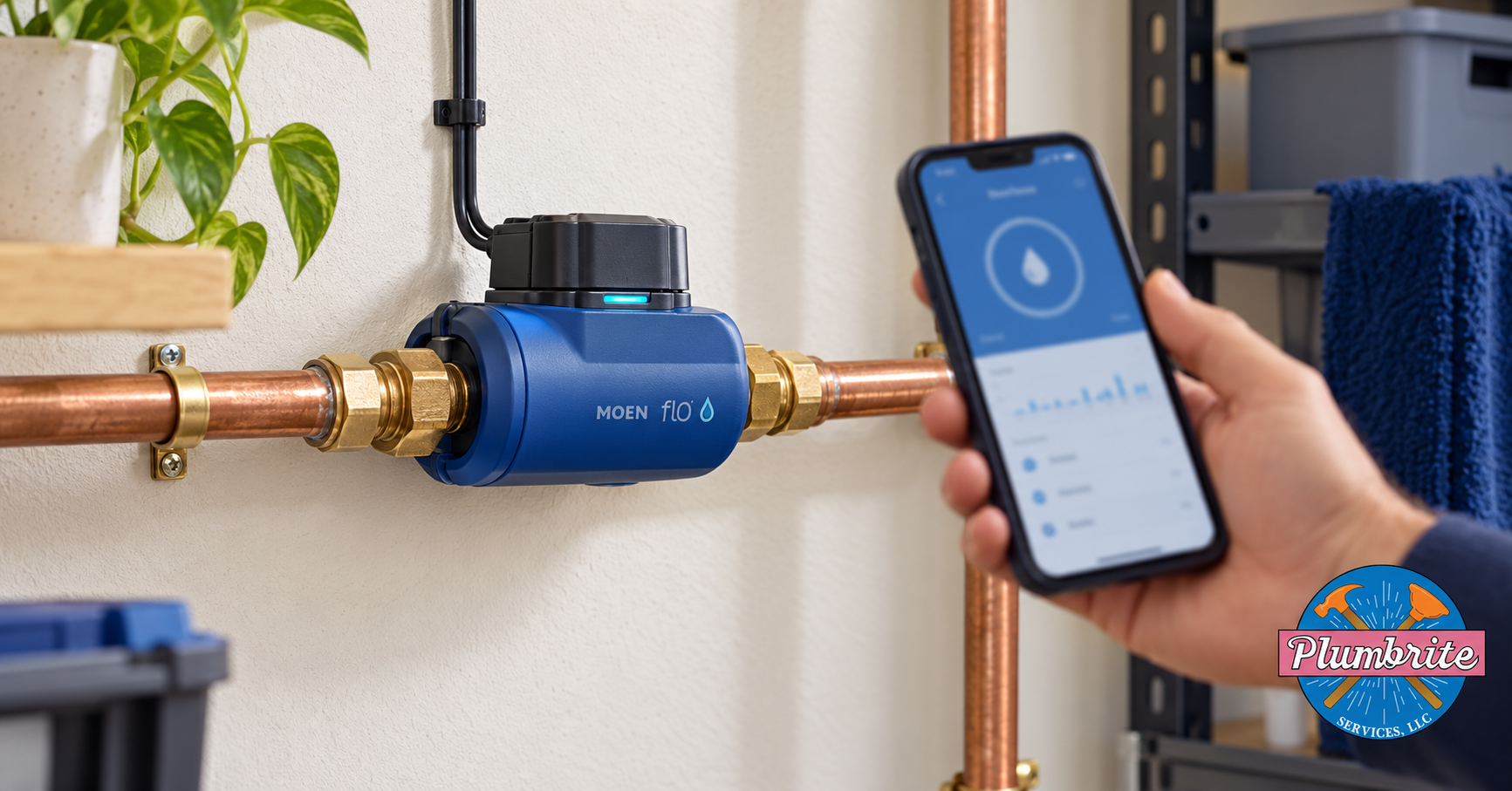
1. A Hidden Water Leak
One of the first things a professional plumber will consider is the possibility of a hidden leak.
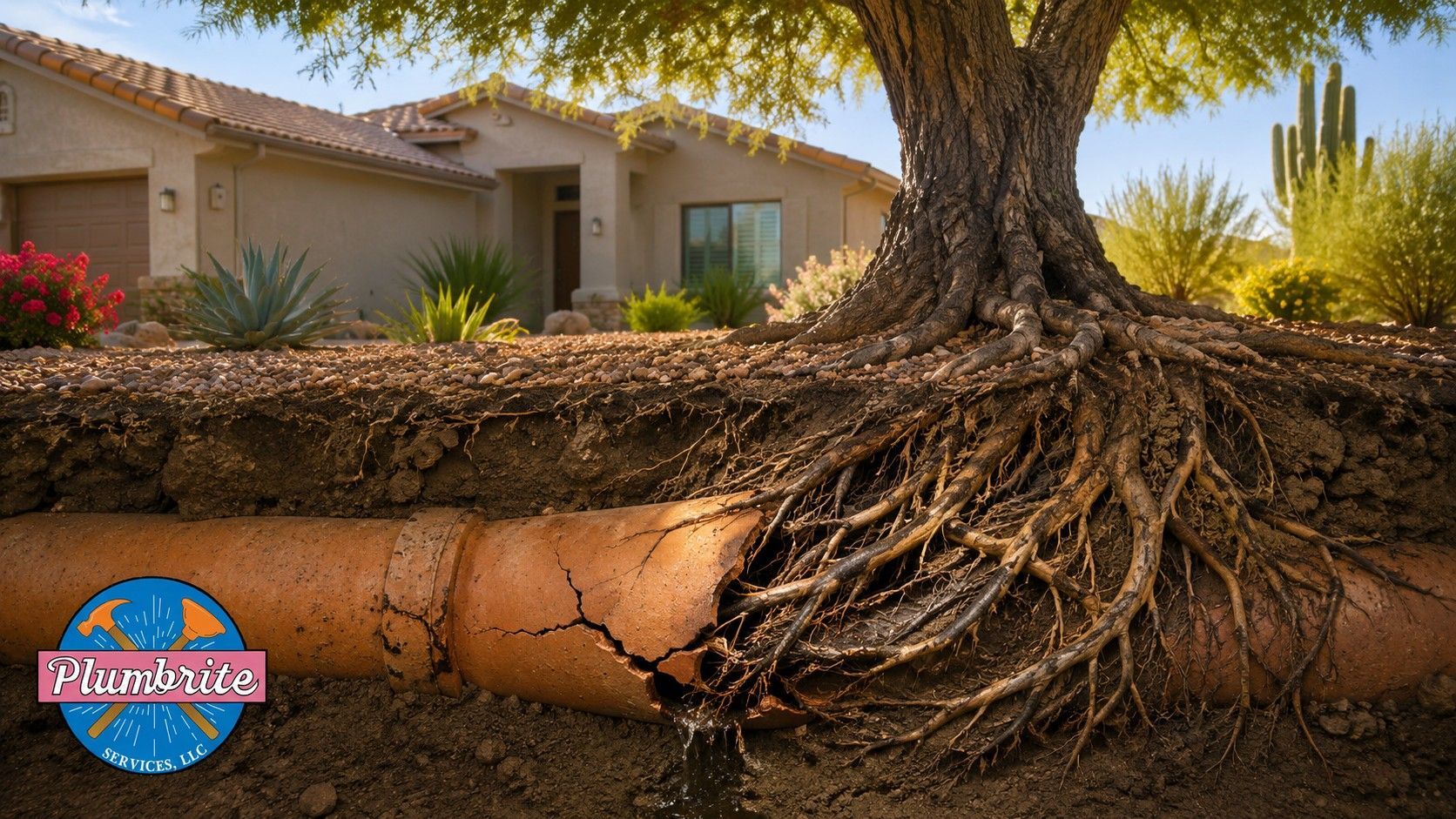
When water escapes behind walls, beneath your slab, or underground, there's less water available to flow through your plumbing system. Even a relatively small leak can affect water pressure throughout your home.
Watch for other signs of a hidden leak, including:
- Higher than normal water bills
- Wet spots on walls or ceilings
- Warm areas on tile flooring
- The sound of running water when no fixtures are in use
- Damp or unusually green areas in your yard
If you notice any of these warning signs, it's a good idea to schedule professional leak detection before the problem becomes more expensive.
2. Your Pressure Reducing Valve May Be Failing
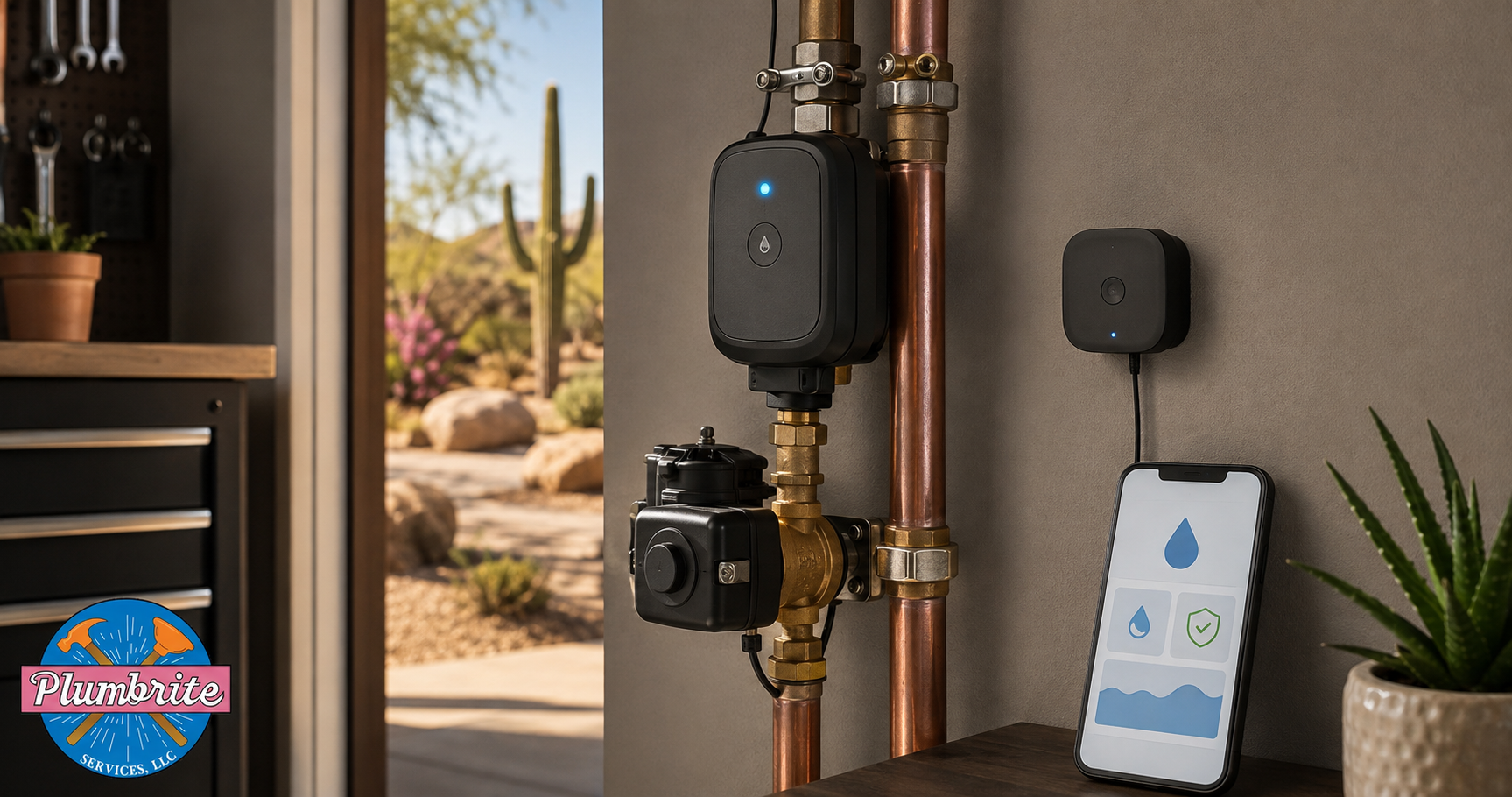
Many homes throughout the Phoenix area have a pressure reducing valve (PRV) installed where the main water line enters the home.
This valve protects your plumbing by reducing the high pressure coming from the municipal water supply to a safe level for your pipes, fixtures, and appliances.
Over time, these valves wear out.
A failing PRV can cause:
- Water pressure that suddenly drops
- Pressure that fluctuates throughout the day
- Weak water flow at every faucet
- Showers that never seem to have enough pressure
Replacing a worn pressure reducing valve often restores normal water pressure throughout the home.
3. Mineral Buildup from Arizona's Hard Water
Arizona's hard water is well known for leaving mineral deposits behind.
Over time, calcium and magnesium buildup can restrict water flow inside:
- Faucet aerators
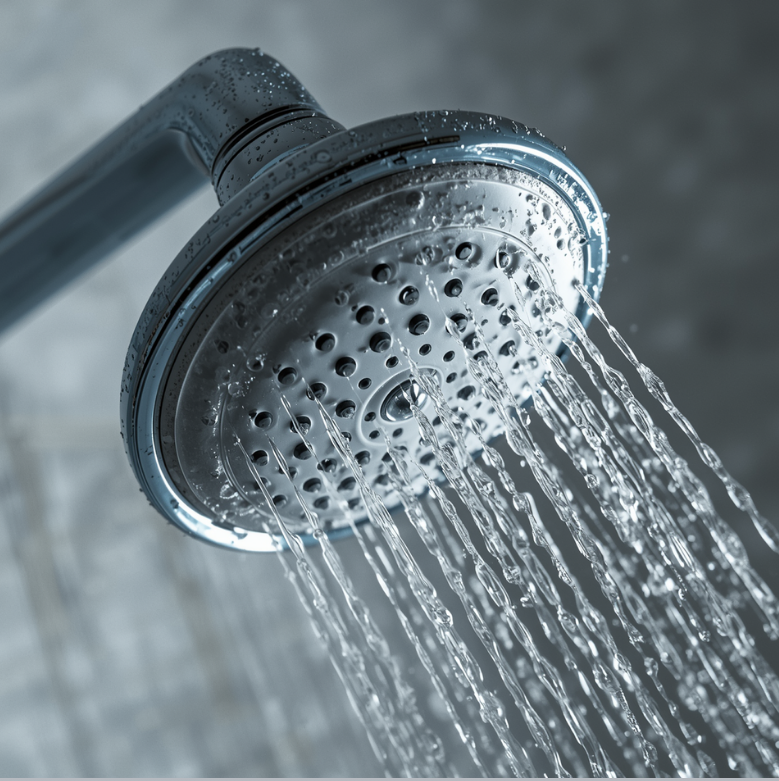
- Showerheads
- Supply lines
- Older plumbing pipes
Sometimes cleaning a clogged aerator is all that's needed. Other times, the buildup extends deeper into the plumbing system and requires professional attention.
Homes with water softeners typically experience fewer mineral buildup issues over time.
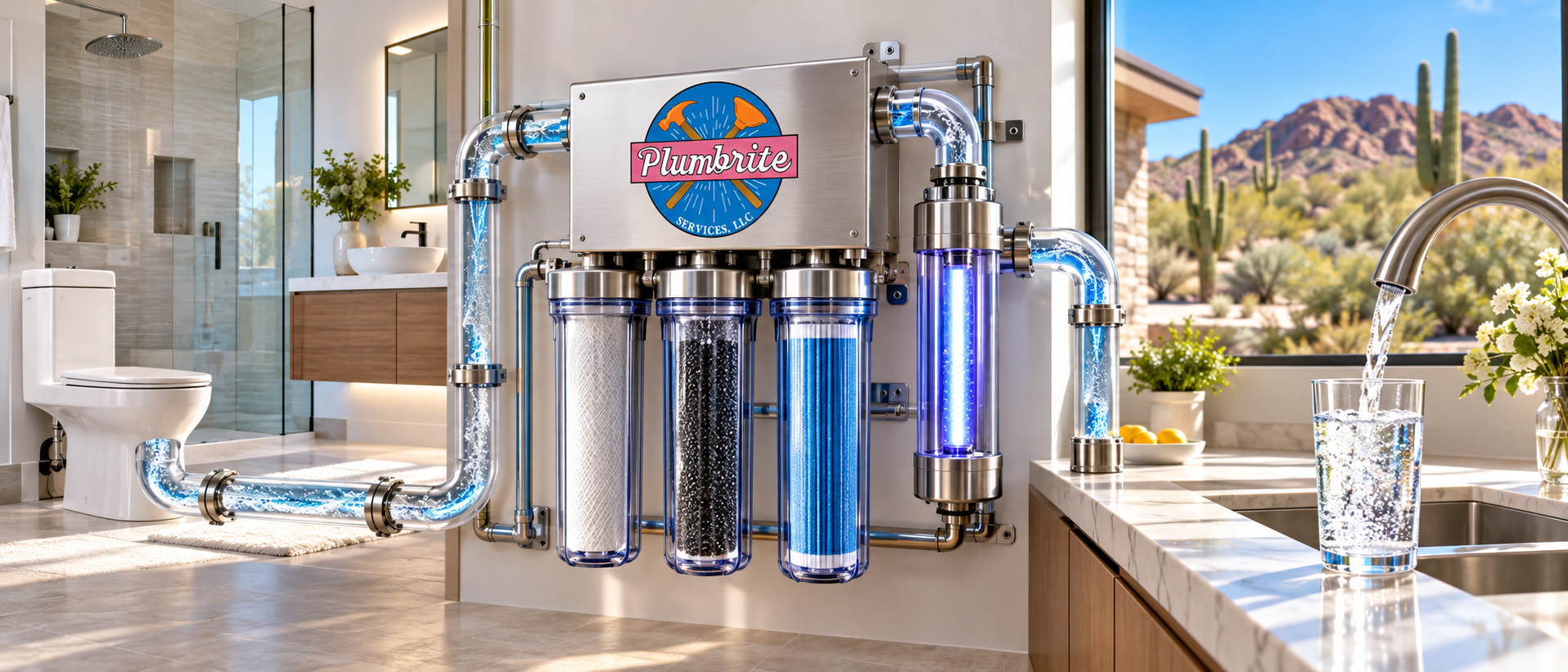
4. Your Water Softener Needs Service
If your home has a water softener, it could also contribute to reduced water pressure.
Like any plumbing appliance, water softeners require periodic maintenance. A clogged resin bed, restricted control valve, or aging system can reduce water flow throughout your home.
Routine maintenance helps keep your water softener operating efficiently while protecting your plumbing from Arizona's hard water.
5. A Water Heater Problem
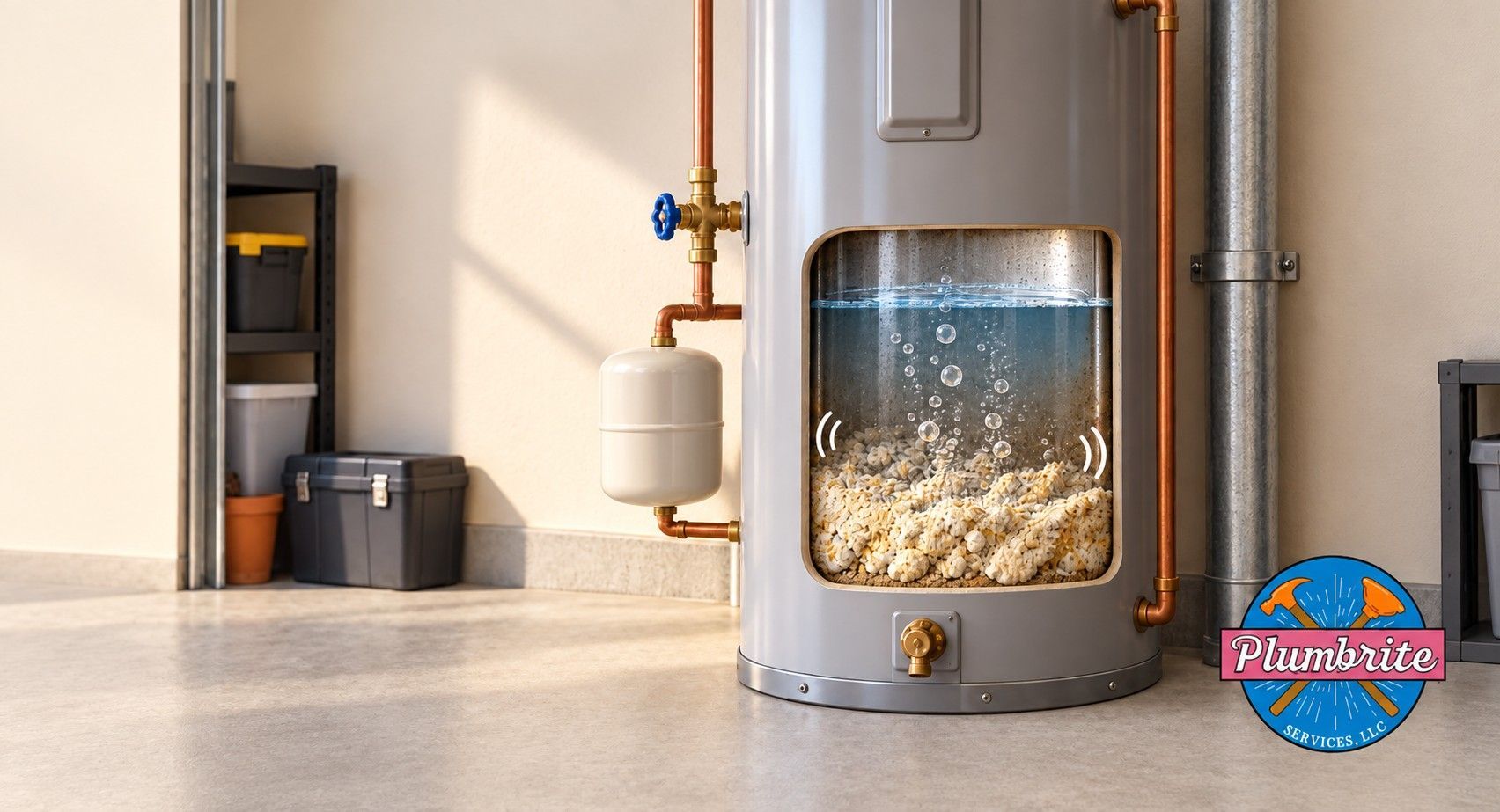
If your hot water pressure is low but your cold water pressure seems normal, the issue may be inside your water heater.
Sediment buildup is common in Arizona due to hard water. As minerals settle inside the tank, they can restrict hot water flow and reduce overall performance.
Regular water heater flushing helps remove sediment, improve efficiency, and extend the life of the unit.
6. Municipal Water Supply Issues
Sometimes the problem isn't inside your home at all.
Water main repairs, nearby construction projects, or maintenance performed by your local water provider can temporarily reduce water pressure.
If your neighbors are experiencing the same issue, it's worth checking with your city's water department before assuming the problem is inside your plumbing system.
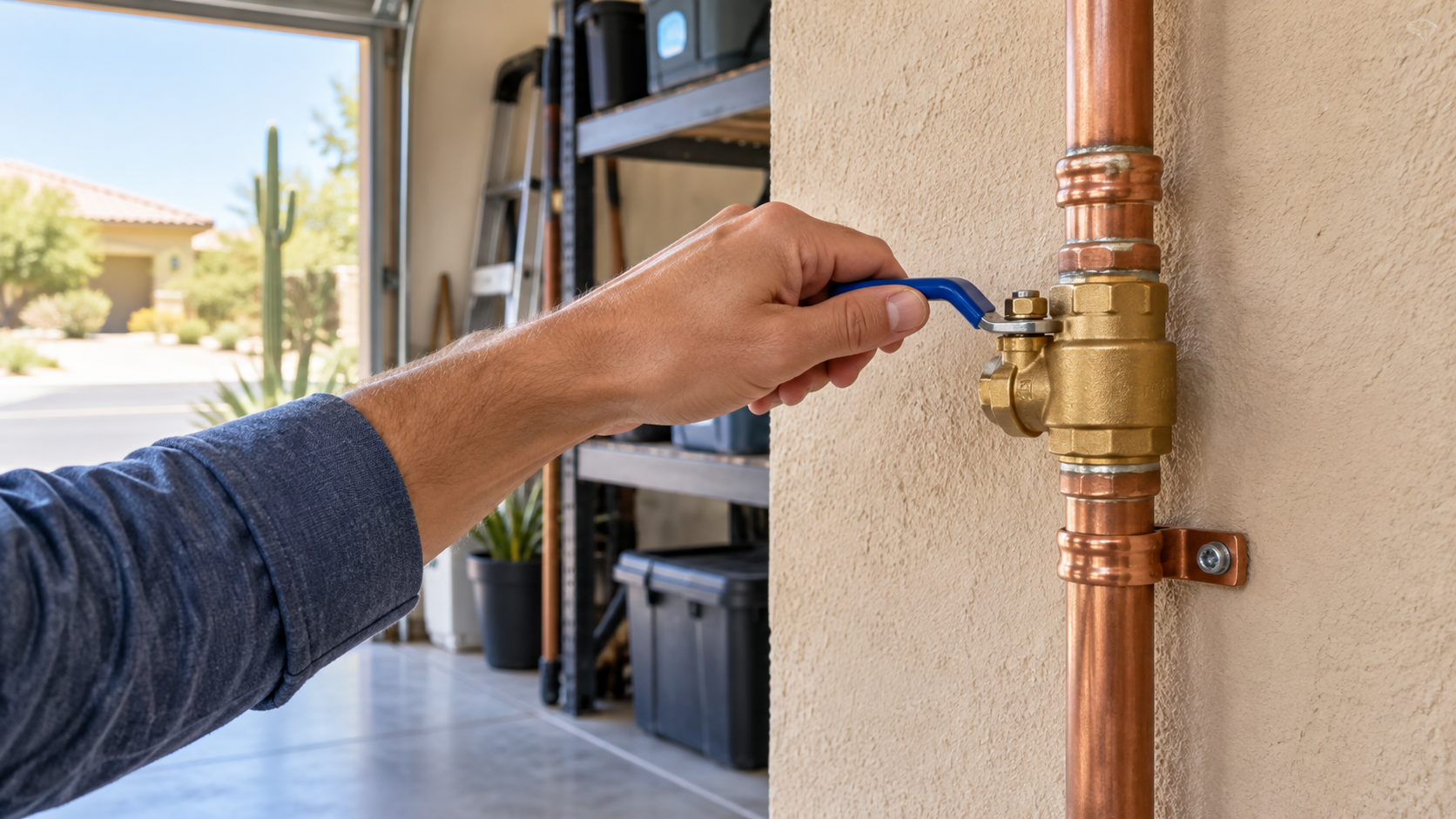
7. A Partially Closed Shut-Off Valve
It may sound simple, but it happens more often than homeowners realize.
After plumbing repairs, water heater replacement, or other maintenance, a shut-off valve may not have been fully reopened.
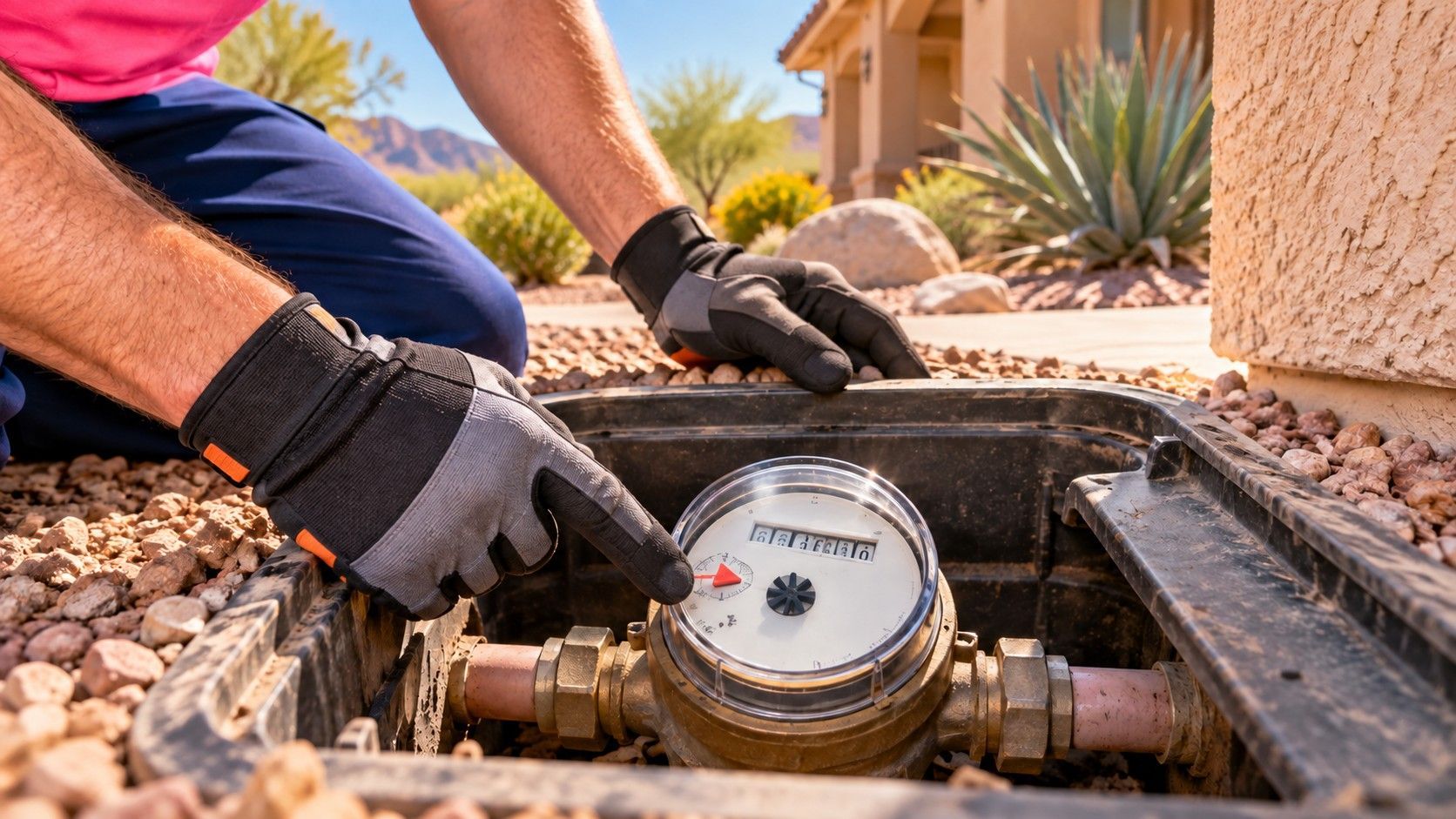
Checking both your home's main shut-off valve and the valve at the water meter can sometimes reveal an easy solution.
8. Aging Plumbing Pipes
Older homes with galvanized steel plumbing often experience lower water pressure as the pipes age.
Corrosion gradually builds up inside galvanized pipes, reducing the amount of water that can flow through them. Unlike modern copper or PEX plumbing, galvanized pipes continue narrowing over time until water flow becomes noticeably weaker.
If your home has older plumbing and you've noticed pressure slowly declining over the years, it may be time to discuss replacement options with a licensed plumber.
When Should You Call a Plumber?
If your water pressure suddenly changes without an obvious explanation, it's worth having your plumbing system inspected.
A professional plumber can determine whether the issue is caused by a hidden leak, a failing pressure reducing valve, mineral buildup, a water heater issue, or another plumbing problem before it develops into a larger repair.
The good news is that low water pressure doesn't always mean an expensive fix. Sometimes the solution is as simple as cleaning a clogged aerator or replacing a worn valve. Other times, it's an early warning sign of a hidden plumbing problem that can save you thousands of dollars if caught early.
Restore Your Water Pressure with Plumbrite Services
At Plumbrite Services, we help homeowners throughout Scottsdale, Paradise Valley, Fountain Hills, Phoenix, and the surrounding communities diagnose and resolve water pressure issues quickly and accurately.
Whether the problem is a hidden leak, a failing pressure reducing valve, hard water buildup, or an aging plumbing system, our experienced technicians will identify the cause and recommend the right solution without unnecessary repairs.
If your home's water pressure has suddenly dropped, don't ignore the warning signs. Contact Plumbrite Services today and let our team restore the strong, reliable water pressure your home deserves.