Why Is My Water Heater Popping?
What Popping, Rumbling and Crackling Sounds May Be Telling You About Sediment Buildup
Your water heater should not sound like it is making popcorn.
A little operational noise is normal, but loud popping, rumbling or crackling sounds can be a sign that sediment has collected inside the tank. In Arizona, where hard water is common, that buildup can happen faster than many homeowners realize.
The sound itself may be easy to ignore. After all, the water is still getting hot. But the longer sediment remains inside the tank, the harder your water heater may have to work. Over time, that can reduce efficiency, affect performance and potentially shorten the life of the unit.
If your water heater has suddenly become the loudest appliance in the house, here is what it may be trying to tell you.
Where Is That Popping Sound Coming From?
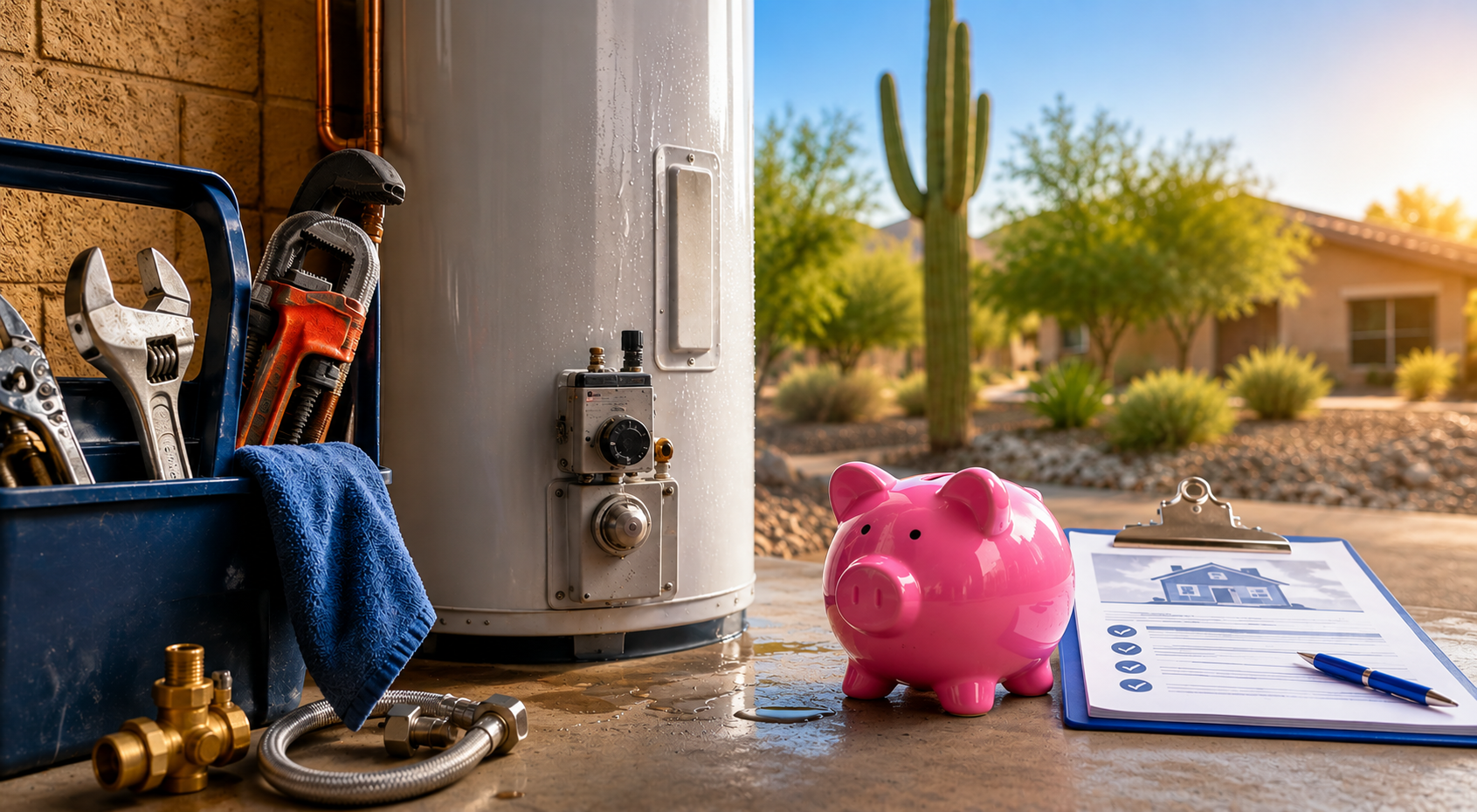
Traditional tank water heaters store and repeatedly heat a large amount of water. As minerals and debris settle at the bottom of the tank, they can form a hardened layer of sediment around the heating surface.
Water can become trapped beneath that layer. When the burner or heating element turns on, the trapped water heats up and creates steam bubbles. Those bubbles force their way through the sediment, creating the popping, crackling or rumbling sounds you hear.
The thicker the sediment layer becomes, the louder the noise may get.
Why Arizona Water Heaters Are Especially Vulnerable
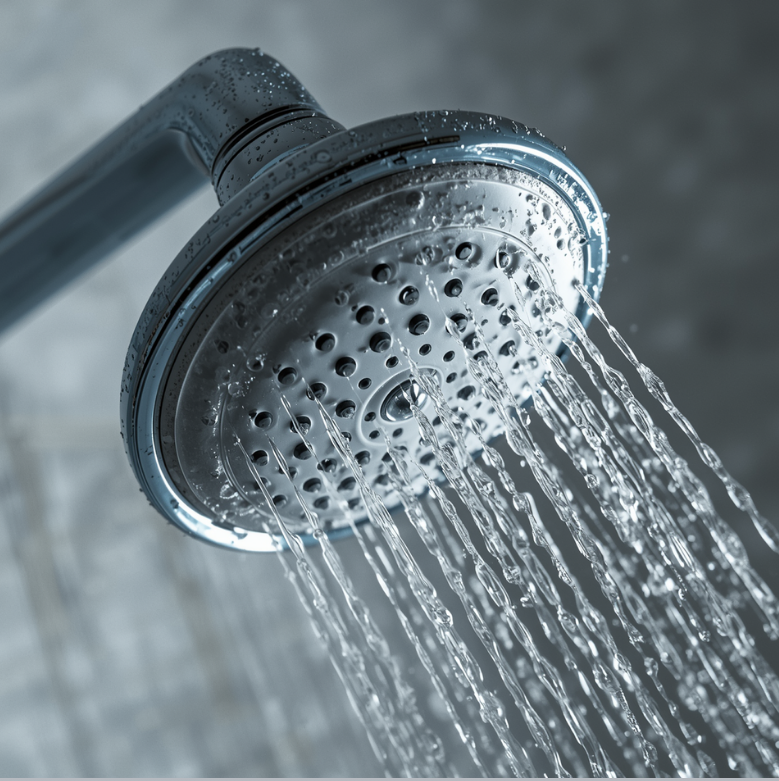
Arizona is known for hard water, which contains dissolved minerals, particularly calcium and magnesium. These minerals are not usually visible when the water enters your home, but they can leave deposits behind as the water is heated or evaporates. You may recognize the evidence as white buildup around faucets, spots on shower doors and dishes, scale on showerheads, crusty deposits around fixtures, or reduced water flow. That same mineral buildup can develop inside your water heater. Because you cannot see inside the tank, unusual sounds may be one of the first noticeable warning signs.
What Sediment Does to Your Water Heater
Sediment is more than a noisy annoyance. It can create a barrier between the heat source and the water stored inside the tank, forcing the water heater to run longer to reach the desired temperature. That extra work places additional stress on the system and may contribute to higher energy use. As the buildup progresses, homeowners may notice that hot water runs out sooner than expected, the tank takes longer to recover between showers, or water temperatures become inconsistent. Other possible warning signs include lower hot water pressure, rising utility bills, rust-colored or cloudy hot water, or water collecting around the base of the tank. Because these symptoms can have several different causes, a professional inspection is the best way to determine what is actually happening.
Does a Noisy Water Heater Need to Be Replaced?
Not necessarily.
If the water heater is still relatively new and the sediment buildup is manageable, professional maintenance may improve its performance and reduce the noise. However, the condition and age of the unit matter.
A water heater that has gone many years without maintenance may have significant buildup inside the tank. If corrosion has already developed or the tank is beginning to fail, flushing alone will not reverse the damage.
This is why it is important to have the unit evaluated before assuming that a flush will solve the problem. A plumber can consider the age of the water heater, its service history, the condition of the tank and any additional warning signs before recommending maintenance or replacement.
Be especially cautious if you notice water around the base of the unit. A leaking tank generally cannot be repaired and should be addressed promptly.
Is It Safe to Flush an Older Water Heater?
Flushing can be an important part of water heater maintenance, but it is not automatically the right solution for every unit.
If an older water heater has never been flushed, sediment may be heavily compacted inside the tank. The system may also have corrosion or weakened components that are not visible from the outside.
Before flushing an older or neglected water heater, it is wise to have a plumber inspect its condition. That assessment can help determine whether maintenance is appropriate or whether replacement would be the safer long-term choice.
What About Tankless Water Heaters?
Tankless water heaters do not store a large tank of hot water, but they are not immune to Arizona’s hard water.
Minerals can collect inside the heat exchanger and restrict water flow. This may reduce efficiency, interfere with heating performance or cause the system to display an error code.
Tankless systems require their own maintenance process. They may need to be descaled periodically based on the manufacturer’s recommendations, local water conditions and household usage.
Whether you have a traditional tank or tankless system, regular maintenance can help protect the equipment and keep it operating properly.
Can a Water Softener Help Protect Your Water Heater?
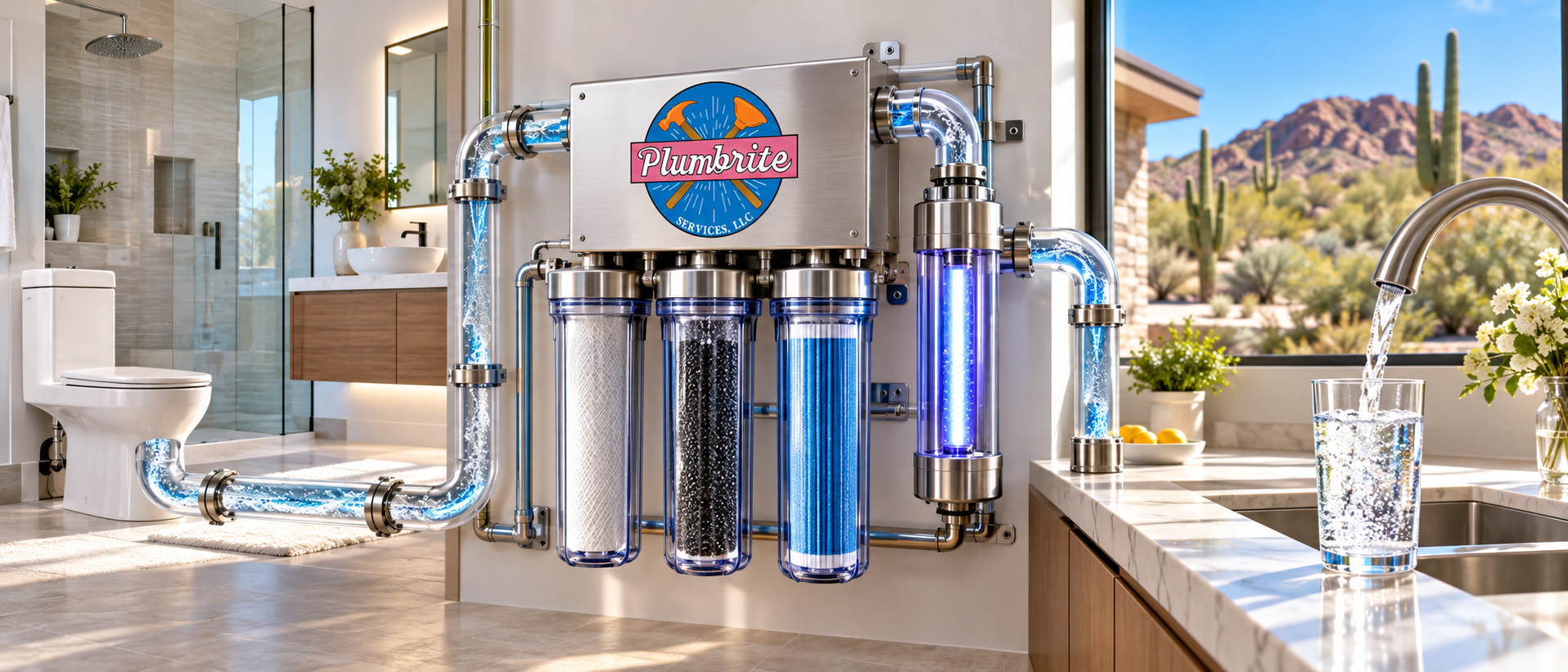
A professionally installed water softener can reduce the hardness minerals entering your plumbing system. This may help limit scale buildup inside water heaters, fixtures, pipes and water-using appliances.
A water softener will not remove sediment that has already hardened inside an existing water heater. It is a preventive solution that can help protect the system moving forward.
Water softening and water filtration also perform different jobs. A traditional water softener is designed to address hardness minerals. A filtration system may target sediment, chlorine, odors or other water-quality concerns, depending on the equipment.
Some Arizona homes benefit from one system, while others may need a combination of water-treatment technologies. The right recommendation should be based on your water, your plumbing and what you want to improve.
When Should You Call a Plumber?
A popping water heater does not always mean the unit is about to fail. It does mean something inside the system deserves attention.
Schedule a professional inspection if:
• The noise is becoming louder or more frequent
• Your hot water does not last as long as it used to
• Water temperatures have become inconsistent
• Your utility bills are increasing without explanation
• The water looks rusty or cloudy
• You notice moisture or water around the tank
Catching sediment buildup early may give you more options. Waiting until the water heater stops producing hot water, begins leaking or damages the surrounding area can turn a maintenance concern into an emergency replacement.
Water Heater Service for Arizona Homes
If your water heater is popping, rumbling or struggling to keep up with your household, Plumbrite Services can inspect the system and explain what is happening.
We will help you determine whether maintenance, repair, replacement or water treatment makes the most sense for your home.
Plumbrite Services proudly serves Scottsdale, Fountain Hills, Paradise Valley, Cave Creek, Phoenix and surrounding Arizona communities.
If you want it done right, call Plumbrite.