Why More Homeowners in Cave Creek & Fountain Hills Are Switching to Tankless Water Heaters
What to know about hot-water demand, installation, and maintenance before making the switch.
Tankless water heaters are becoming popular in Cave Creek and Fountain Hills. Learn why homeowners are making the switch and whether it’s the right choice for your home.
The first shower is comfortable. The second starts warm and finishes chilly. Add visiting family or a busy morning, and suddenly everyone is negotiating who gets to shower next.
If that sounds familiar, a tankless water heater may be worth considering. For homeowners in Cave Creek and Fountain Hills, the decision starts with understanding how much hot water the household needs and what the home can support.
At Plumbrite Services, we help homeowners compare water heater repair and replacement options so the next system fits their daily routines, installation requirements, and budget.
What Changes When You Go Tankless?
A traditional water heater stores a supply of heated water. After heavy use, it needs time to heat more. A tankless water heater heats water as it flows through the unit, allowing it to keep producing hot water during extended use within its rated capacity.
That can make a meaningful difference when several people need showers one after another. Tankless heating also avoids the standby heat loss associated with keeping a large tank of water hot. Your actual energy costs still depend on the equipment, fuel rates, and how much hot water you use.
Choose a System for Your Busiest Morning
Think about what happens when your home is at its busiest. Do two showers run at once? Does the primary bathroom have multiple showerheads? Does someone start a load of laundry while another person showers?
Those details matter because tankless systems have a limit on how much hot water they can deliver at one time. The right size depends on the combined hot-water flow of the fixtures you use together and how much the unit must raise the incoming water temperature.
A system should be sized for colder incoming water as well as warmer conditions. Choosing a unit based only on the number of bedrooms or the size of your old tank can leave you with equipment that does not meet your needs.
Look at the Whole Installation
Converting to tankless involves more than selecting a unit. The installation needs a review of the existing plumbing, fuel supply, electrical requirements, and venting where applicable. A gas line that served your old water heater may need changes to support the new equipment.
Ask what the estimate includes and which changes your home needs. Understanding the full scope before making a decision gives you a useful basis for comparing tankless with a traditional tank or hybrid water heater.
Include Water Quality in the Conversation
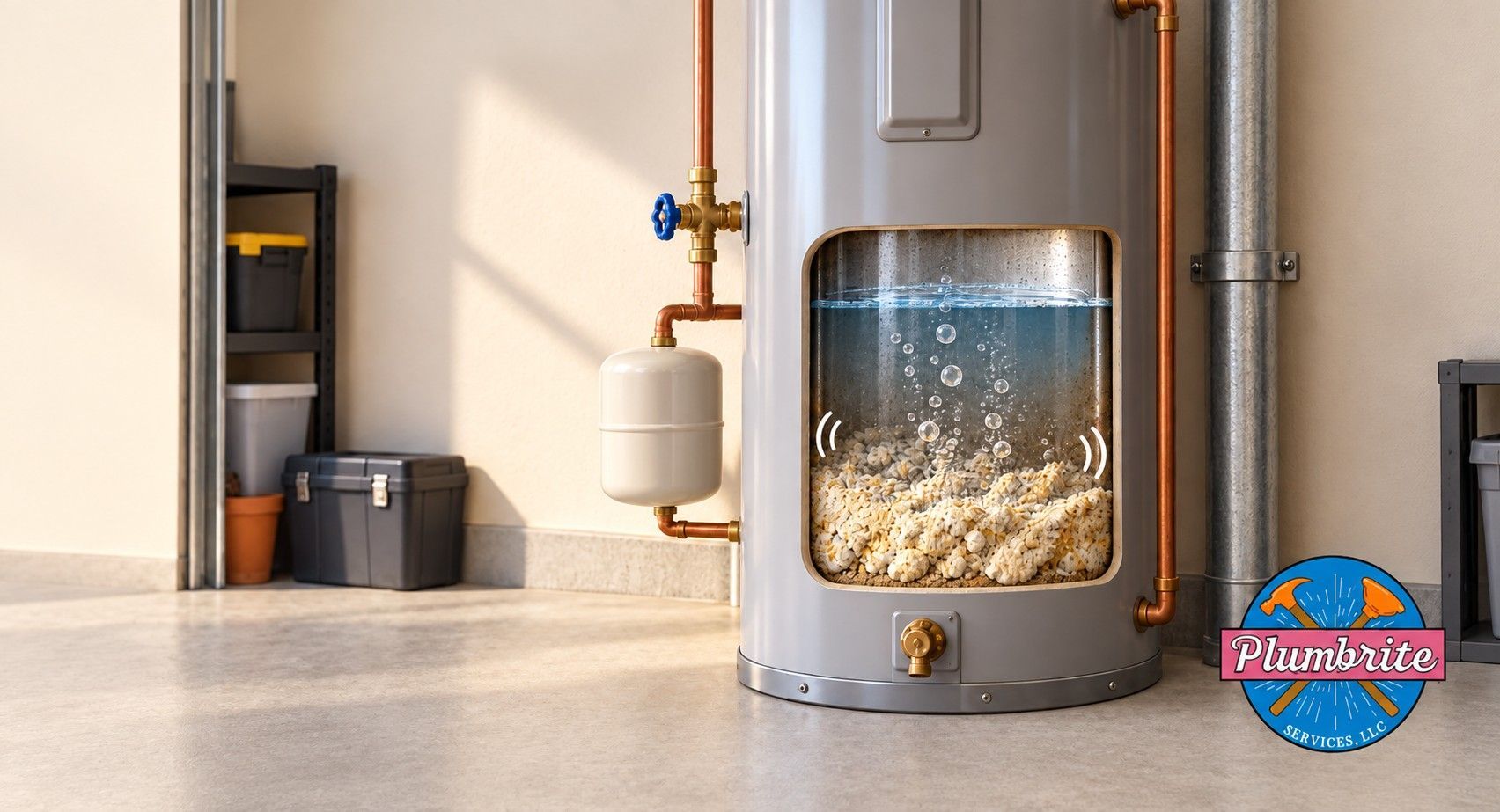
If your water is hard, mineral scale can build up inside a tankless water heater. Periodic flushing and filter checks help keep the equipment working properly. The service schedule should follow the manufacturer’s instructions and reflect your home’s water quality and usage.
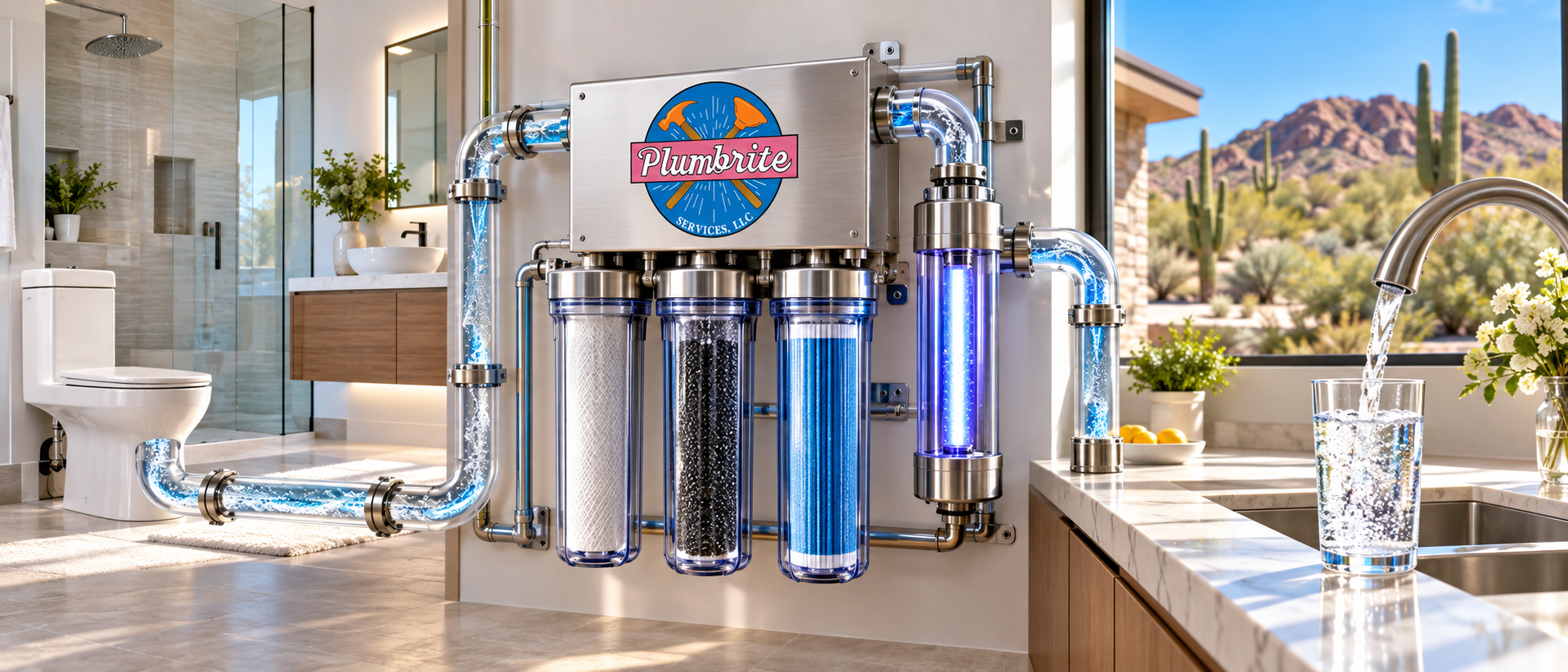
It is also worth reviewing any existing water filtration and treatment equipment. Different systems address different concerns. A filter designed to improve taste is not necessarily a solution for hardness minerals, and a water softener does not replace the water heater’s maintenance requirements.
Start by Finding Out Why Your Current Heater Is Struggling
Running out of hot water does not automatically mean you need a tankless conversion. Your current heater may need service, or its capacity may no longer match your household’s needs.
A repair, a properly sized replacement tank, or a hybrid water heater may be a better fit for your home and budget. Having the current system evaluated helps you make that decision with a clearer understanding of the problem.
Talk Through Your Options with Plumbrite
If you are considering a tankless water heater in Cave Creek or Fountain Hills, Plumbrite Services can help you evaluate the options and understand the work involved. Tell us what is frustrating you about your current hot-water setup, and we can start there.
Call 602-704-0549 or contact Plumbrite Services to schedule a water heater evaluation.
If you want it done right, call Plumbrite.
Frequently Asked Questions
Can a tankless water heater run out of hot water?
It does not run out of stored hot water because it heats water as it flows through the unit. However, it has a maximum output. Using more hot water at once than the system can heat may affect temperature or flow, which is why proper sizing matters.
Will tankless give me instant hot water at the faucet?
Hot water still has to travel through the pipes to reach the faucet or shower. The distance from the heater affects the wait. A compatible recirculation system may shorten that delay, but it should be planned around the equipment and your home’s plumbing layout.
How often does a tankless water heater need maintenance?
Follow the maintenance schedule for your specific model. Water quality and usage affect how often flushing and filter service are needed. Plumbrite can help you understand the recommended service for your equipment rather than assuming every home needs the same schedule.
Do I need a water softener with a tankless water heater?
The answer depends on your water hardness and the water heater manufacturer’s requirements. Have your water assessed before choosing treatment equipment. If hardness needs to be addressed, Plumbrite can explain the available options and how they fit with the heater’s maintenance plan.
How much does it cost to switch to tankless?
The total depends on the selected unit and the installation changes your home requires. Ask for an estimate that explains the equipment, installation work, and any necessary plumbing, gas, electrical, or venting changes so you can compare options accurately.
Does Plumbrite install tankless water heaters in Cave Creek and Fountain Hills?
Yes. Plumbrite Services provides water heater services in Cave Creek, Fountain Hills, and surrounding communities. Contact the team to discuss your home’s hot-water needs and whether a tankless system is an appropriate choice. Plumbrite Services LLC