Slab Leak Repair in Scottsdale & Fountain Hills: Signs, Causes, and What Homeowners Need to Know
Aaron Mielke, Owner • March 25, 2026
What Scottsdale and Fountain Hills Homeowners Should Know About Hidden Foundation Leaks
Slab Leaks in Scottsdale & Fountain Hills: What You Need to Know
If you own a home in Scottsdale or Fountain Hills, your plumbing system is likely running through a concrete slab foundation. While this design is common across Arizona, it also means one thing: When a leak happens under your home, it can go unnoticed—until it becomes a serious (and expensive) problem. Slab leaks aren’t just plumbing issues. They can affect your foundation, flooring, and long-term structural integrity if not caught early.
What Is a Slab Leak?
A slab leak occurs when a water line beneath your home’s concrete foundation begins to leak.
These leaks are typically:
- Pressurized water line failures
- Caused by wear, corrosion, or shifting soil
- Hidden under flooring and concrete
Why Slab Leaks Are Common in Scottsdale & Fountain Hills
Homes in Scottsdale and Fountain Hills face a unique combination of conditions:
Expansive desert soil that shifts over time
Extreme temperature swings that stress pipes
Hard water that contributes to pipe corrosion
Older plumbing systems in established neighborhoods
Areas like older parts of Scottsdale and hillside homes in Fountain Hills are especially prone due to soil movement and elevation changes.
Signs You May Have a Slab Leak
Catching a slab leak early can save thousands in repairs. Here are the most common warning signs:
- Unexplained increase in your water bill
- Warm or damp spots on your floors
- The sound of running water when nothing is on
- Cracks in flooring or walls
- Mold or mildew smells
- Low water pressure
What Causes Slab Leaks?
Slab leaks don’t just “happen”—they develop over time due to stress on your plumbing system.
Common causes include:
1. Pipe Corrosion: Arizona’s mineral-heavy water can slowly wear down pipes from the inside.
2. Soil Movement: Shifting ground beneath your home can place pressure on pipes, eventually causing them to crack or break.
3. Poor Installation: Older homes or rushed builds may have plumbing that wasn’t properly sleeved or protected.
4. Abrasion: Pipes can rub against concrete over time, wearing down the pipe material.
How Slab Leaks Are Detected
At Plumbrite, slab leak detection isn’t guesswork.
We use specialized equipment to pinpoint the exact location of the leak without tearing up your entire floor, including:
- Acoustic listening devices
- Pressure testing
- Thermal imaging when needed
Slab Leak Repair Options
Not all slab leaks require the same solution. Depending on the situation, repair options may include:
- Spot repair – Fixing the specific section of pipe
- Pipe rerouting – Running new lines to bypass the damaged area
- Repiping – Recommended in cases of widespread corrosion
Why Acting Early Matters
Slab leaks don’t stay small. Left untreated, they can lead to:
- Foundation damage
- Flooring replacement
- Mold growth
- Increased utility costs
The earlier a leak is detected, the more options you have—and the less invasive the repair typically is.
Slab Leak Repair in Scottsdale & Fountain Hills
If you’re noticing signs of a slab leak, it’s worth getting answers sooner rather than later. At Plumbrite Services, we help homeowners in Scottsdale and Fountain Hills identify and repair slab leaks with minimal disruption and a clear plan forward.
Final Thought
Slab leaks are one of those issues you hope never happen—but if they do, catching them early makes all the difference. If something doesn’t feel right with your water usage, floors, or pressure, trust your instincts and get it checked.
✨ If you want it done right, call Plumbrite.
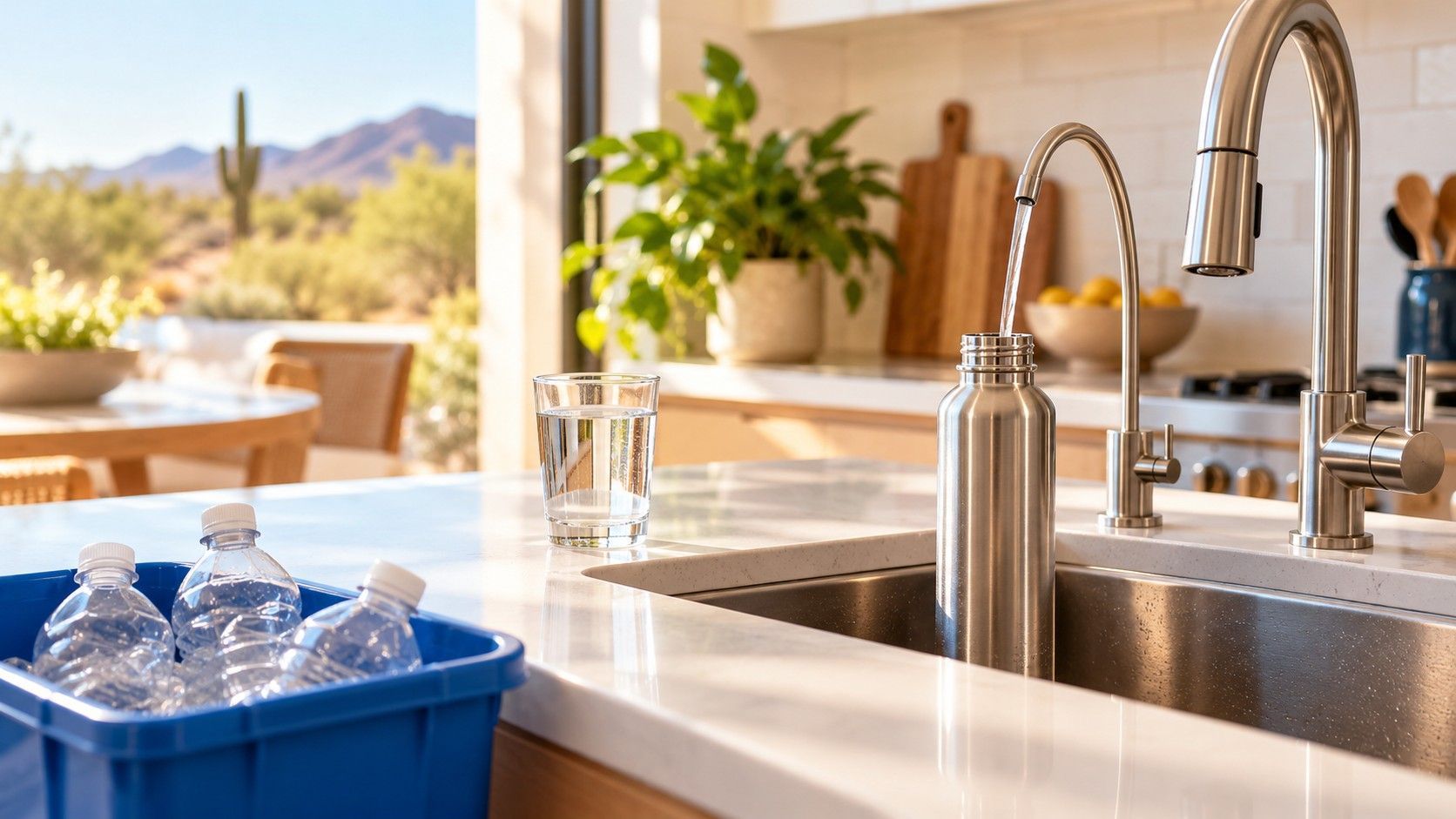
How the right home water filtration setup can help you buy fewer disposable bottles and make refilling part of your routine.
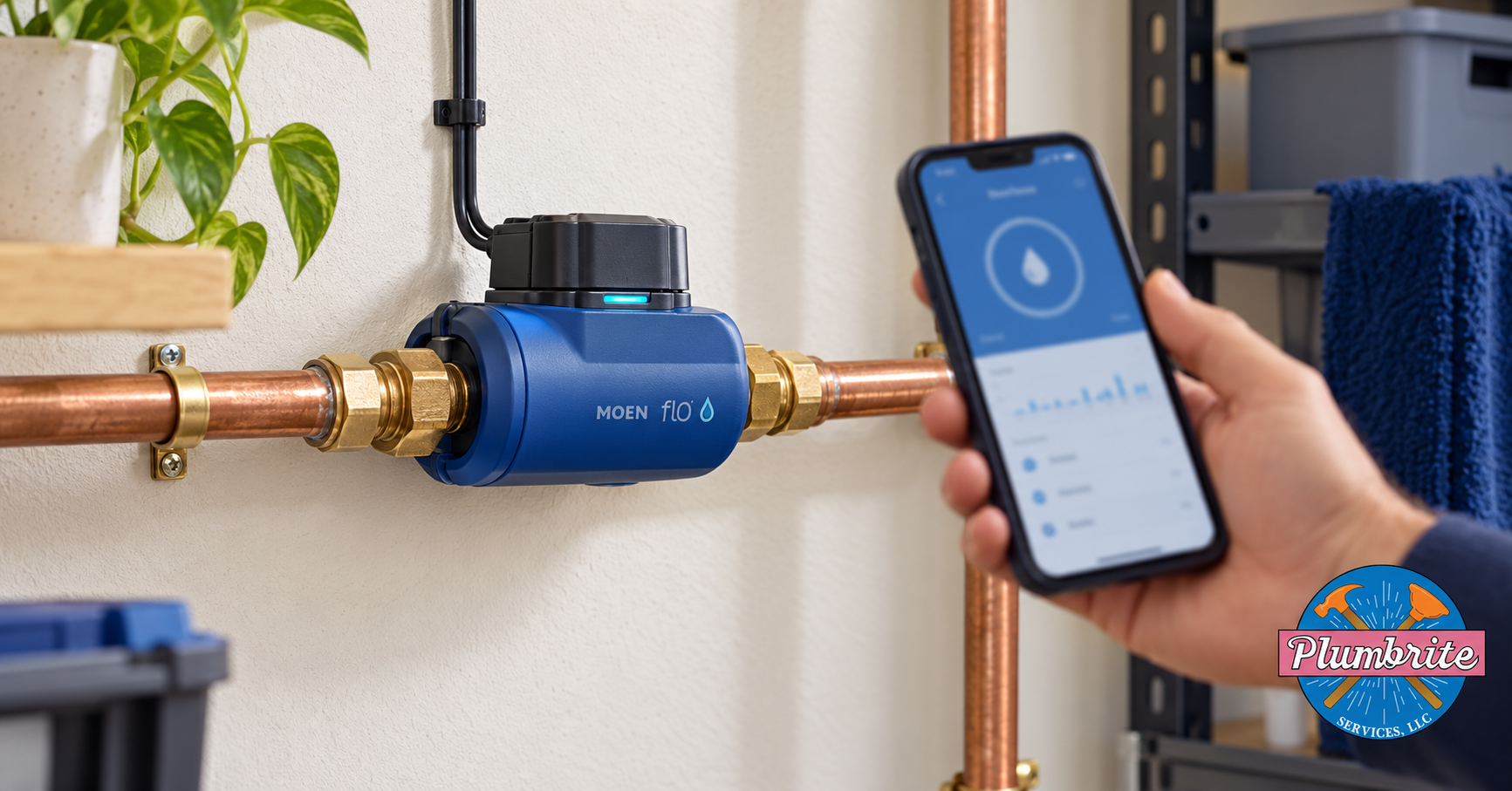
Understanding the optional subscription, its benefits, and why enrollment is a separate homeowner decision
Is an online will or trust enough? Libby Banks explains how an estate planning attorney can help you create a plan tailored to your family and goals.
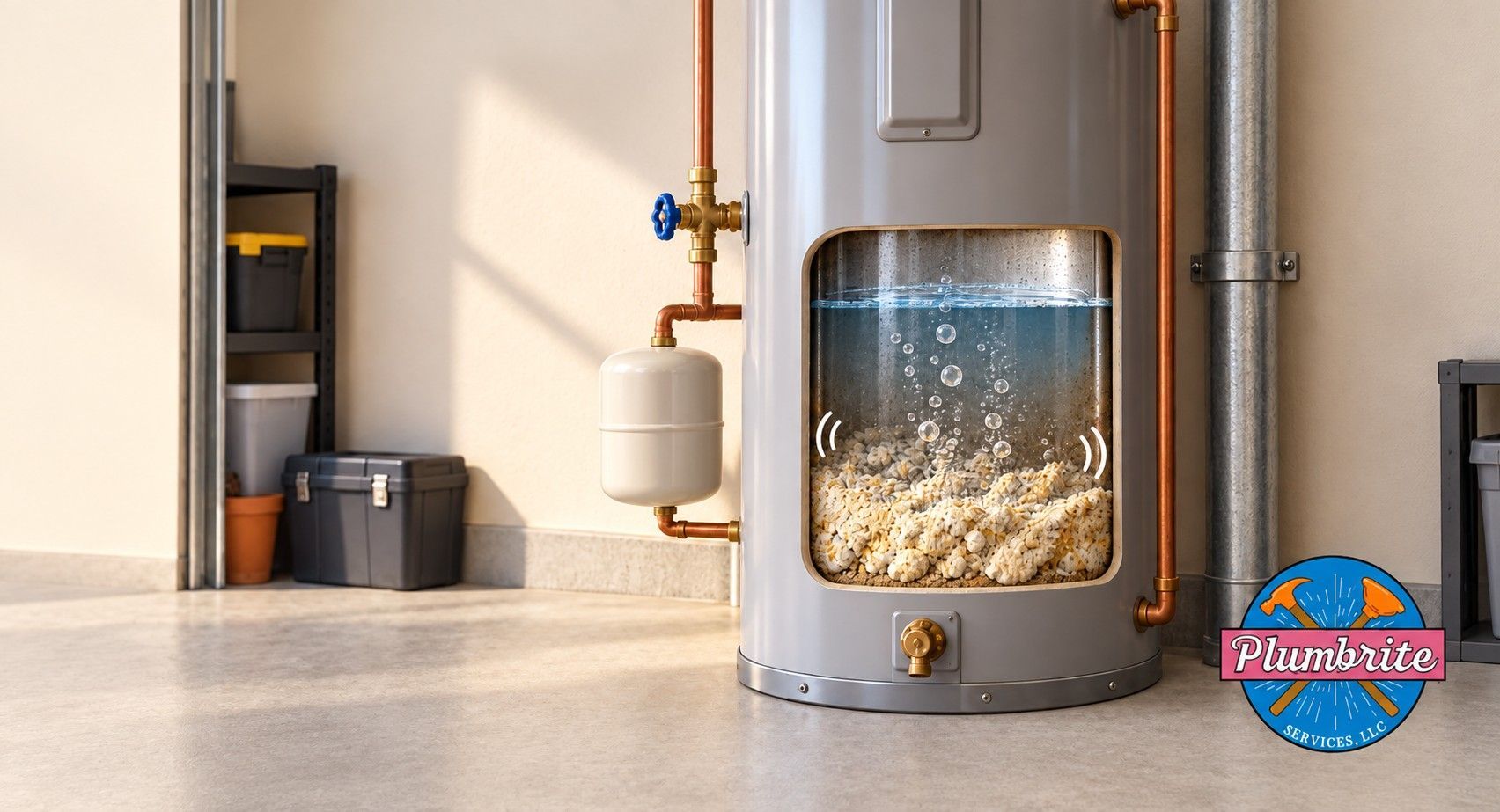
Is your water heater popping? Learn how Arizona hard water and sediment cause strange noises, reduce efficiency, and signal the need for service.
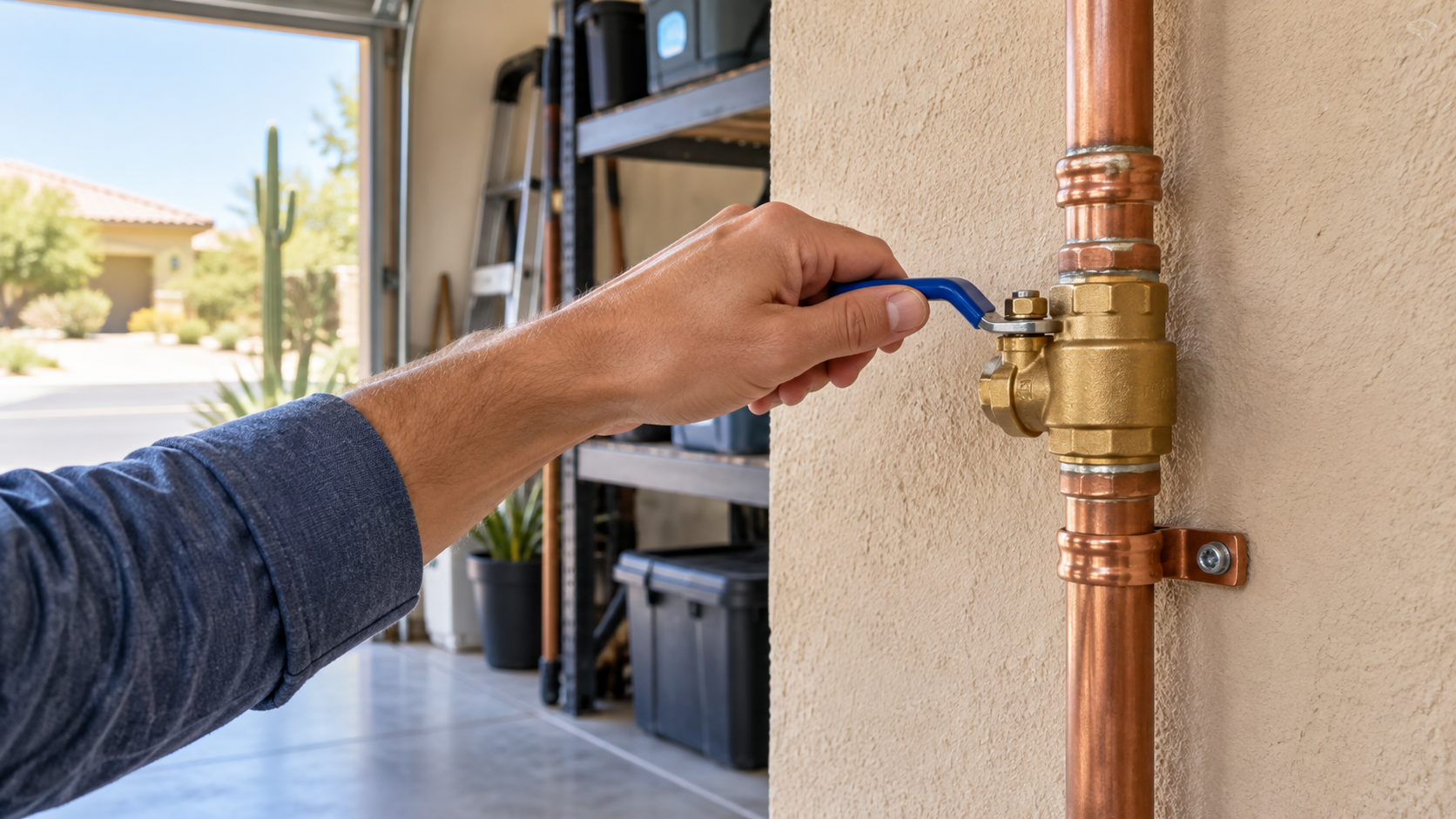
Learn where to find your home’s main water shut-off valve, how to use it safely, and when an Arizona plumber should inspect or replace it.
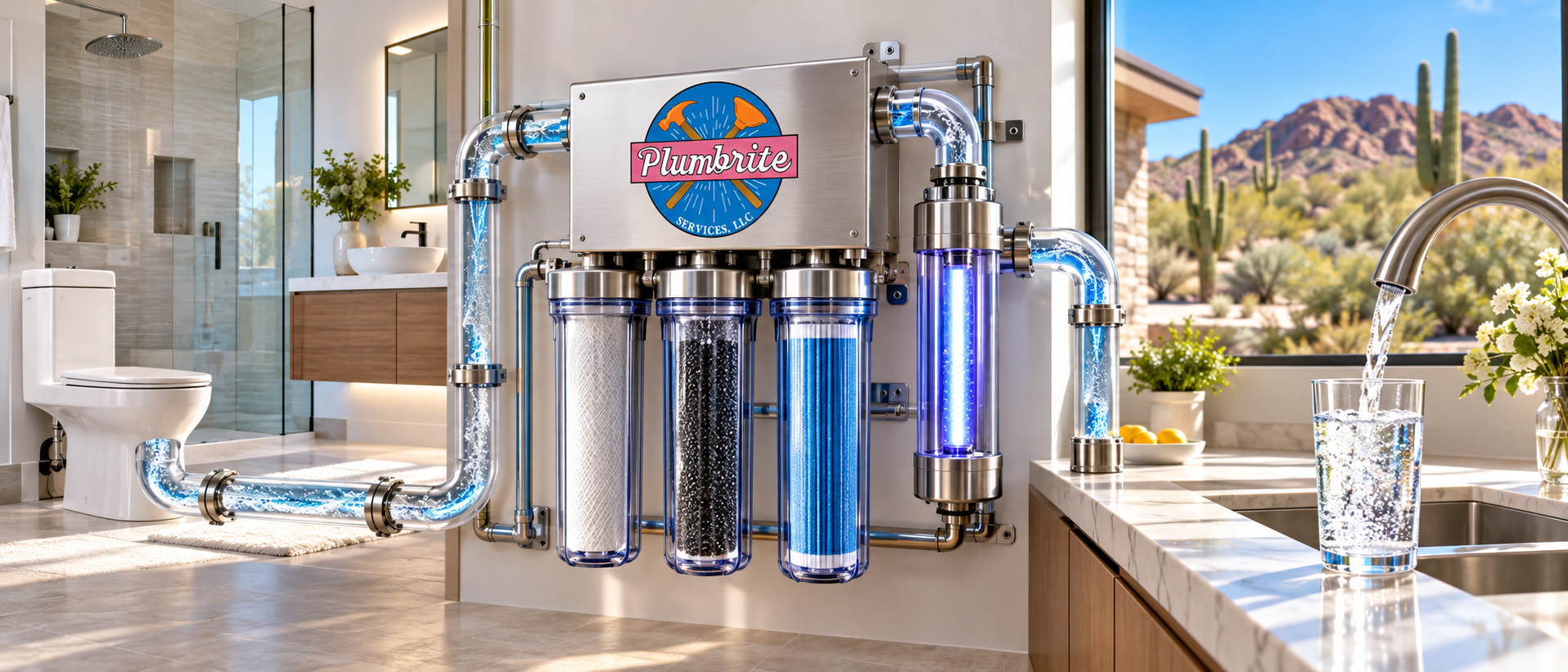
Scottsdale’s “toilet to tap” plans sound shocking, but the science tells a different story. Learn how recycled water is purified and where home filtration fits.
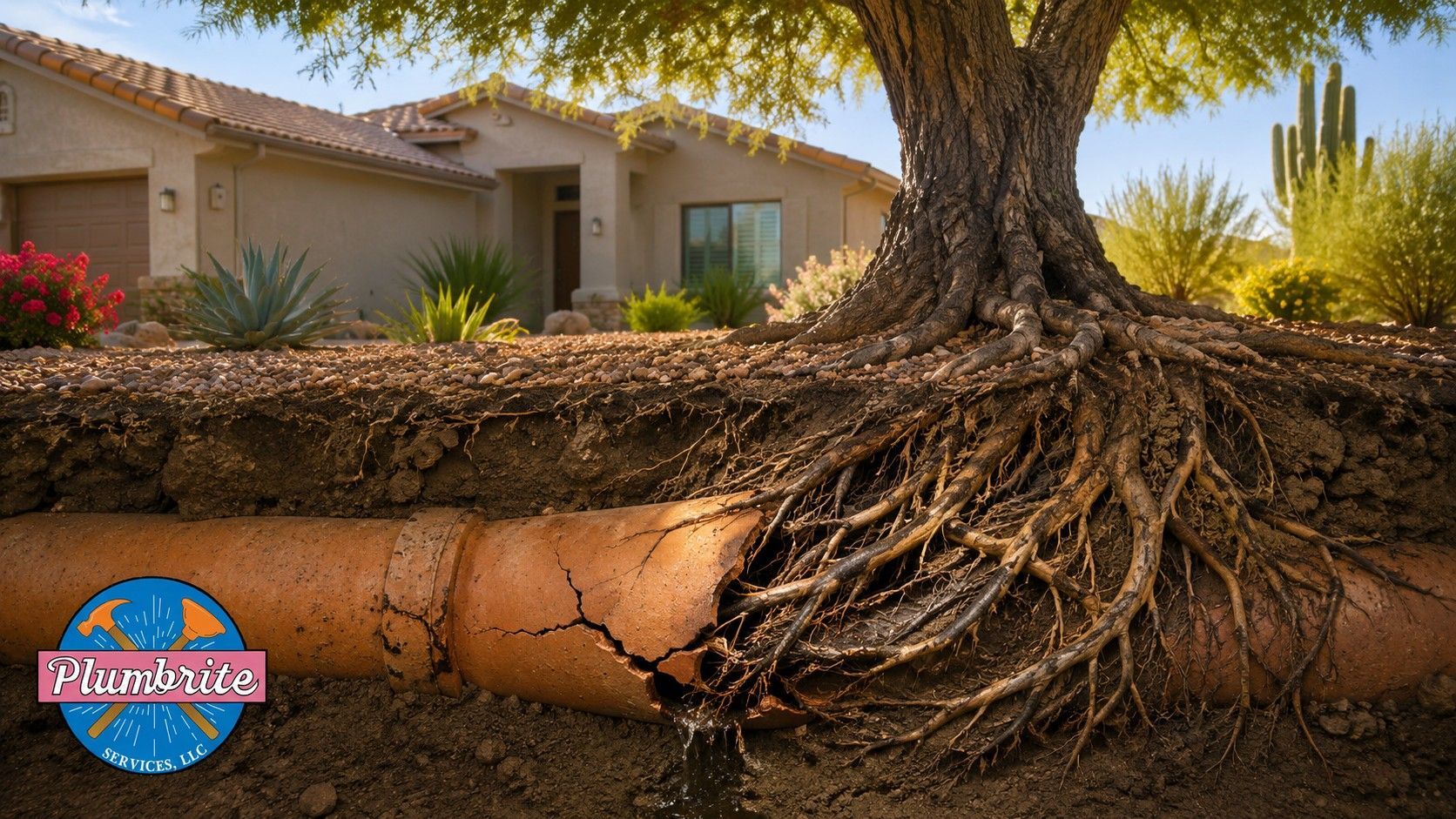
Learn how tree roots enter sewer lines, the warning signs AZ homeowners should watch for, and how camera inspections and trenchless repairs can help.
Buying a home in Arizona? Learn how a sewer camera inspection can uncover hidden pipe damage, roots and blockages before you close.
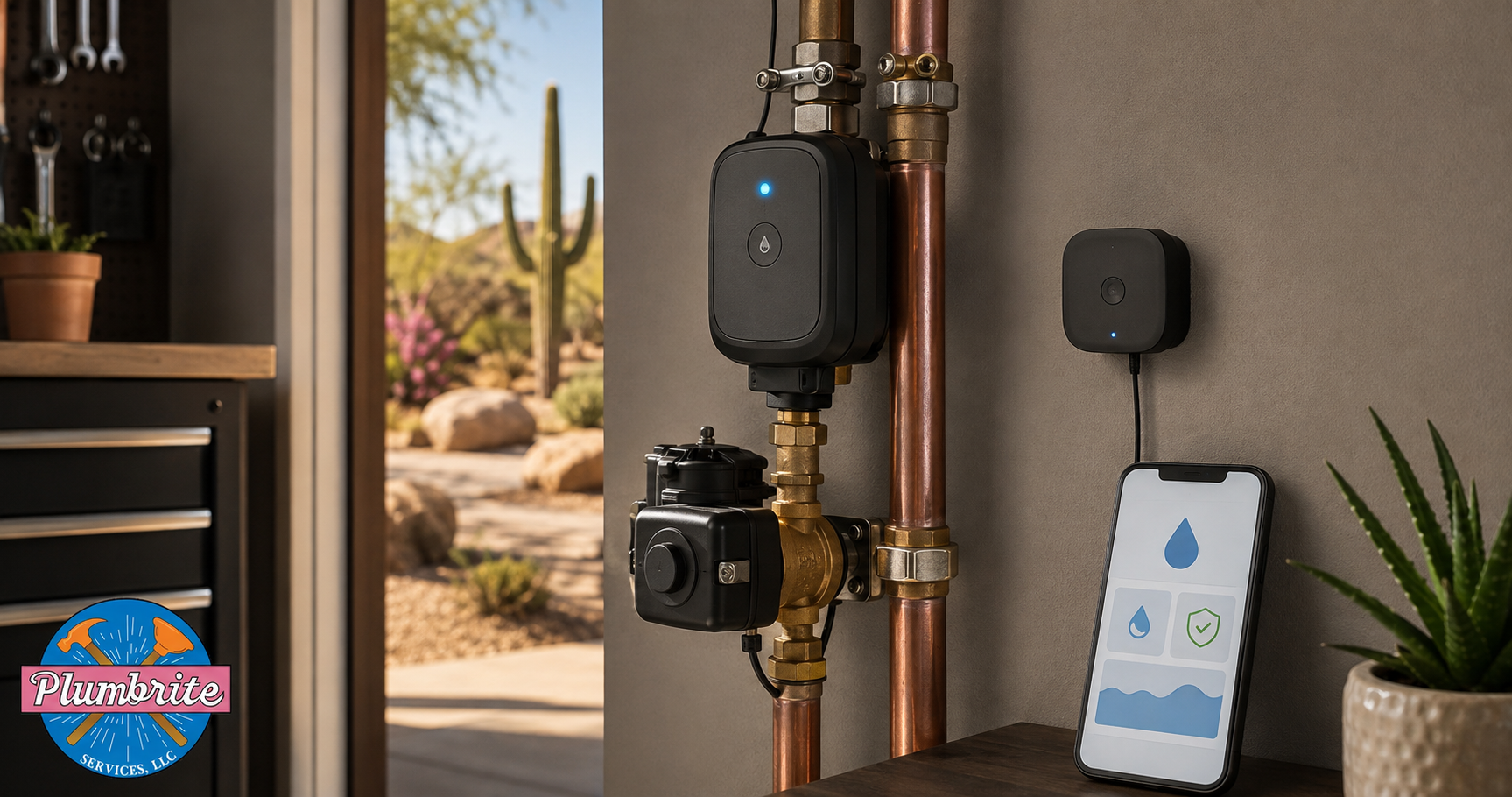
Learn how a Moen Flo smart water monitor can detect unusual water activity, send leak alerts, and automatically shut off your home’s water supply.
Arizona hard water may leave hair dull, skin dry, and fixtures coated in scale. Learn how water treatment can improve comfort throughout your home.




