What a Water Meter Test Tells Arizona Homeowners
A simple test can reveal hidden water use and help you decide what to check next in your Arizona home.
An unexpectedly high water bill can leave you wondering whether Arizona heat, extra irrigation, a pool, or a hidden leak is to blame. A water meter test gives you a useful first clue: is water passing through the meter when everything should be off? The result helps narrow your next step, but it does not identify the precise pipe or fixture that needs repair.
What is a water meter test?
A water meter test checks for water use while faucets, appliances, and outdoor systems are idle. A plumber may watch an analog meter’s small flow indicator or a digital meter’s flow display, then compare readings over a short period. If the meter registers use when nobody is using water, something on the metered system may be drawing water. That could be a running toilet, a leaking service line, irrigation equipment, or a pool auto fill, depending on how the property is plumbed.
This is a test for water movement. It is not a water quality test, and a quiet meter does not rule out every intermittent leak or a drain or sewer problem.
When does a plumber use the test?
A plumber may start with the meter when your bill rises without a clear reason, you hear water running with the fixtures off, pressure drops, or you notice damp soil, flooring, or walls. The test can also help after a repair to see whether unexplained flow has stopped.
In Arizona, outdoor uses deserve special attention. Irrigation timers, drip lines, evaporative coolers, and pool auto fills can run quietly or on a schedule. A technician first accounts for those systems so normal use does not look like a leak. If the symptoms include warm flooring, damp spots, or a persistent water sound, the meter result can guide a closer look at a possible slab leak.
How is a basic meter test done?
First, turn off all intentional water use. Check faucets, showers, washers, dishwashers, ice makers, irrigation controllers, pool auto fills, and evaporative coolers. Then note the meter reading or flow indicator. On an analog meter, a small triangle or sweep hand may show movement; on a digital meter, look for the flow rate or leak indicator appropriate to that utility’s model. Watch long enough to catch a slow flow, and compare readings again after about 15 to 30 minutes if the display appears still.
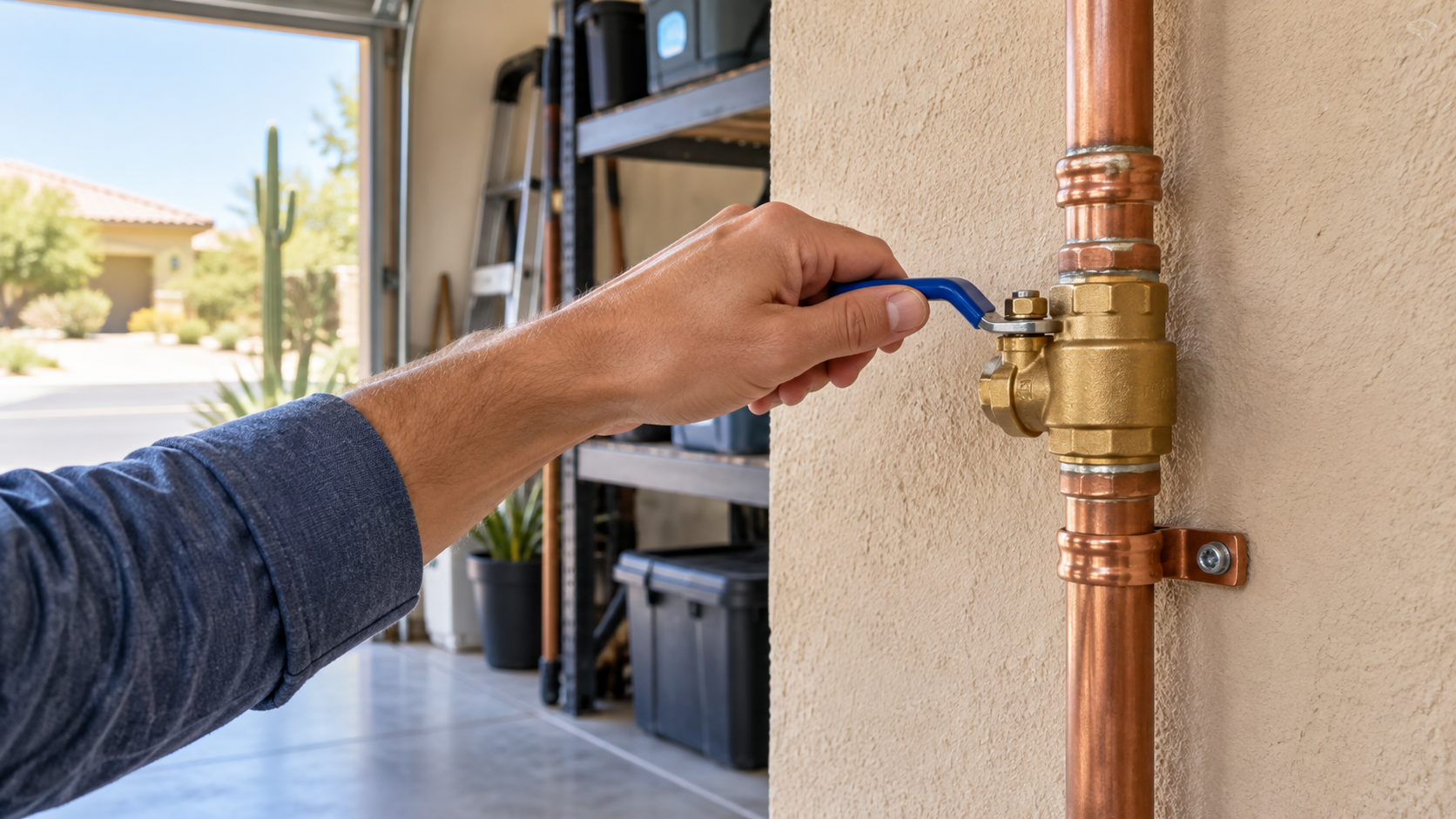
A plumber may then close the home’s customer side shutoff valve and repeat the observation. Valve and branch locations vary. Irrigation or pool lines may split off before the house valve, so a moving meter after that valve is closed does not automatically mean the buried service line is leaking. A technician can isolate those branches and check the valve itself before drawing a conclusion. Leave utility owned meter valves and equipment to the water provider; use only a shutoff you know is intended for the property.
What do the results mean?
The meter moves while all water should be off
Start by confirming that no automatic system has switched on. Check toilets, outdoor hose bibs, irrigation valves, water softeners, and pool equipment. A toilet can refill silently or cycle every few minutes; Plumbrite’s guide to a running toilet explains common causes. If the meter keeps moving and there is no obvious source, schedule professional leak detection instead of opening walls or flooring based on the meter alone.
The meter stops when the house supply is closed
That points toward water use on the house side of that valve, provided the valve seals properly and you have accounted for other branches. A plumber can isolate fixtures and appliances, inspect accessible piping, and use additional tests to locate the problem. For a suspected leak beneath the foundation, Plumbrite’s slab leak detection service explains the diagnostic and repair options.
The meter still moves when the house supply is closed
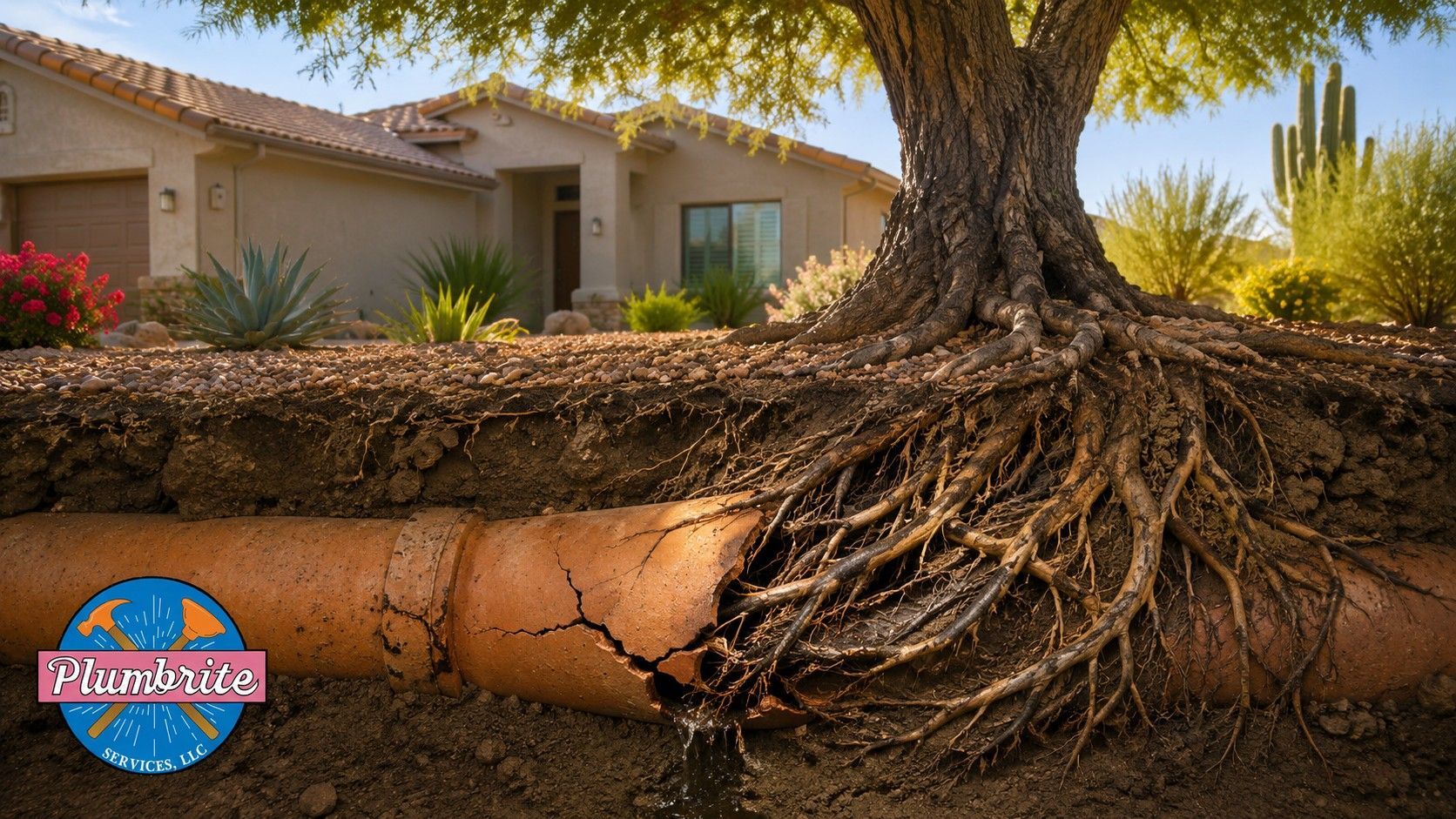
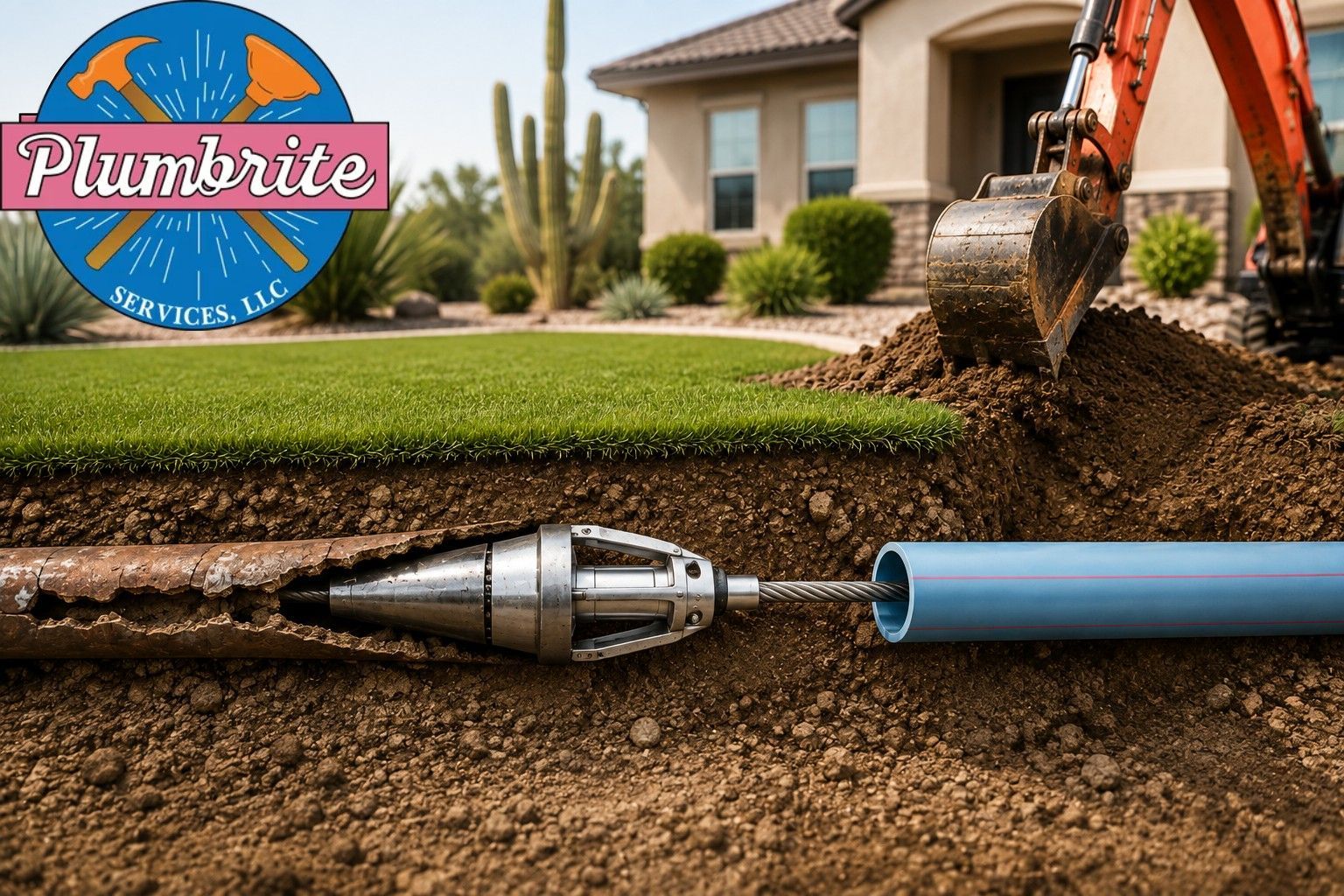
Water may be going to a branch ahead of that valve, such as landscape irrigation or a pool auto fill, or escaping from the line between the meter and the valve. A plumber can isolate those possibilities. If the service line is damaged, the next conversation is about repair or replacement, not simply another meter reading. Plumbrite handles underground pipe leak detection and repair and can explain the options for your property.
The meter does not move
There may be no continuous metered leak during the test. Compare usage on your bill with the same season last year and consider recent guests, irrigation schedules, or pool filling. Repeat the test when the suspected problem occurs. Some leaks appear only when an appliance or irrigation zone runs; a leak in a drain line will not necessarily register at the supply meter while the system is idle. If water damage or unexplained usage continues, have the system inspected even after a quiet test.
What should you do next?
Write down the date, meter readings, and which systems were off. Photograph the display if it helps. For visible water damage or rapidly flowing water, close the customer side shutoff if it is safe and call for help promptly. If water is surfacing in the street or the meter box appears to be leaking, contact your water utility as well. Responsibility around a meter depends on the utility and the location of the leak.
The most useful question for a plumber is not just “Did the meter move?” It is “Which part of this property was still connected when it moved?” Plumbrite Services can use that answer as a starting point, investigate the source, and walk you through the repair choices. If you suspect a leak in Scottsdale, Phoenix, Fountain Hills, Cave Creek, Paradise Valley, or a surrounding community, contact Plumbrite or call (602) 704-0549.