Tree Roots in Your Sewer Line: Warning Signs Arizona Homeowners Should Never Ignore
How Tree Roots Find Vulnerable Sewer Lines, the Warning Signs to Watch For, and What Arizona Homeowners Can Do Next
A slow drain is annoying. A toilet that gurgles is strange. When both start happening at the same time, your home may be trying to tell you something about the sewer line beneath your yard.
Tree-root intrusion is one of those plumbing problems that can stay hidden for a long time. The first signs may seem small, but roots can keep growing inside a vulnerable sewer line until wastewater has nowhere left to go. By then, the problem may look like several clogged fixtures, a sewage backup, or a wet and unusually green patch in the yard.
The good news is that homeowners do not have to guess. A professional sewer camera inspection can show where roots entered, how much of the pipe they are blocking, and whether the pipe itself needs cleaning, repair, lining, or replacement.
Do Tree Roots Actually Break Sewer Pipes?
Usually, roots are not the original cause of the damage. Healthy, properly sealed sewer pipe does not offer roots an easy way inside. Roots typically take advantage of an opening that already exists, such as a loose joint, a hairline crack, corrosion, or a section of pipe that has shifted out of alignment.
That distinction matters. Cutting roots out of the line may restore flow, but it does not automatically repair the place where they entered. If the opening remains, the roots may return. A lasting solution begins with understanding both the blockage and the condition of the pipe.
Why Sewer Lines Are So Attractive to Roots
Roots naturally grow toward moisture, oxygen, and nutrients. A tiny amount of water vapor escaping through a compromised joint can create a path that roots follow. Once fine feeder roots reach the opening, they can enter the line and continue growing in an environment that supplies everything they need.
Inside the pipe, the roots act like a net. Toilet paper, grease, hair, and other debris catch on the growing mass. The line may still drain at first, just more slowly. Over time, that partial restriction can become a complete blockage.
This can happen even in a desert landscape. Arizona homeowners may have mature shade trees, citrus, palms, mesquite, palo verde, ficus, or other landscaping near underground plumbing. The species matters less than the opportunity. If moisture is escaping from an older or damaged sewer line, nearby roots may find it.
Warning Signs That Roots May Be Inside Your Sewer Line
One slow sink is often a local clog. When several fixtures begin acting up together, the main sewer line deserves a closer look. Watch for toilets that gurgle after flushing, water that backs up into a tub or shower, slow drainage in multiple rooms, recurring clogs that return soon after clearing, or sewage odors inside or outside the home.
Outside, you may notice a damp area, a soft spot, or one section of grass that suddenly looks greener than everything around it. Not every one of these signs proves that roots are responsible, but a combination of them is a good reason to stop treating the problem like an ordinary drain clog.
Why Recurring Drain Cleaning May Not Solve the Real Problem
When a blocked line is opened, the immediate relief can make the problem feel solved. If roots have entered through a damaged section, however, clearing the obstruction may only address the symptom. The roots can grow back through the same crack or joint.
This is why repeated clogs matter. If the same drains keep slowing down or backing up, it is time to see what is happening inside the line instead of repeating the same temporary fix.
A Sewer Camera Inspection Takes the Guesswork Out
A professional sewer camera inspection allows a plumber to view the inside of the pipe in real time. The camera can identify root masses, cracks, separated joints, corrosion, offsets, bellies, and collapsed sections. It also helps locate the exact problem area, which is essential when deciding whether the line needs cleaning, a targeted repair, or a larger replacement.
The goal is not simply to confirm that roots are present. It is to answer the more important questions: How did they get in? How much damage is there? What repair will keep the problem from returning?
What Are the Repair Options?
The right solution depends on what the camera shows. If roots are creating a blockage but the pipe is otherwise serviceable, professional cleaning may restore flow. Depending on the condition of the line, a plumber may recommend mechanical root removal or hydro jetting to clear buildup and debris.
When roots have entered through a localized crack or failed joint, a targeted sewer line repair may be appropriate. If the pipe has widespread deterioration, repeated failures, or serious structural damage, replacement may provide the more dependable long-term answer.
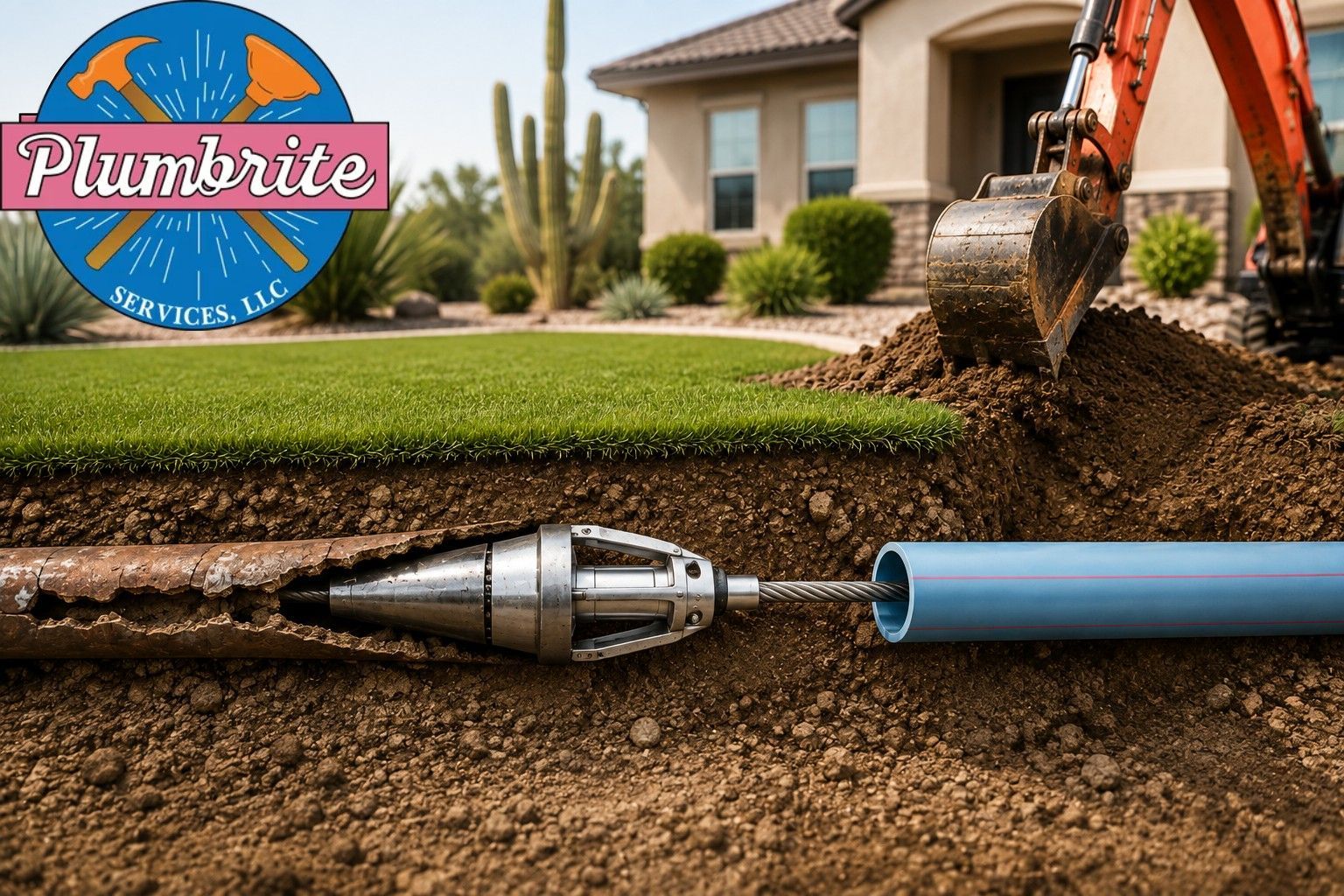
Some damaged lines may also qualify for trenchless sewer line repair. This method can create a durable new pipe within the existing line using a cured-in-place liner, often without excavating the entire yard, driveway, or floor. It is not right for every pipe, but when the line is a good candidate, it can solve the structural problem with far less disruption.
Can You Prevent Tree-Root Intrusion?
You cannot control every underground root, but you can reduce the risk. Before adding large trees or aggressive landscaping, find out where the sewer lateral runs and leave appropriate space. If you own an older home or have experienced recurring main-line clogs, periodic camera inspections can help identify vulnerable joints or early intrusion before a complete backup occurs.
Be cautious about treating a recurring root problem with store-bought chemicals alone. Killing part of the root mass does not repair a cracked or separated pipe, and the wrong product or application may create additional concerns. The safest next step is to identify the condition of the line and choose a solution based on what is actually happening underground.
Do Not Wait for Sewage to Come Back Into the House
A sewer backup is messy, disruptive, and often far more expensive than addressing the early warning signs. If several drains are slowing down, toilets are gurgling, or clogs keep coming back, take the pattern seriously. Those symptoms can be the first indication that the problem is deeper than a sink or toilet.
Plumbrite Services helps homeowners throughout Scottsdale, Phoenix, Paradise Valley, Fountain Hills, Cave Creek, Rio Verde, and surrounding Arizona communities diagnose sewer problems accurately and understand their options. From camera inspections and professional cleaning to conventional and trenchless repairs, the goal is always the same: find the real problem and fix it correctly.
Think tree roots may be growing inside your sewer line? Contact Plumbrite Services or call (602) 704-0549 to schedule an inspection.