Repiping Your Home in Scottsdale or Fountain Hills: When It’s Time and What to Expect

Aaron Mielke • April 7, 2026

What homeowners need to know about aging pipes, recurring leaks, and why repiping isn’t as disruptive as you think

Repiping Your Home in Scottsdale or Fountain Hills: When It’s Time and What to Expect
Let’s be honest—no one wakes up excited about the idea of repiping their home.
It’s not flashy. It’s not fun. And it’s definitely not something most homeowners plan for.
But if you live in Scottsdale or Fountain Hills, especially in an older home, repiping is one of those things that eventually moves from “maybe someday” to “okay… we need to talk about this.”
The good news? Once it’s done, it’s one of the most impactful upgrades you can make to your home—and your peace of mind.

What Does “Repiping” Actually Mean?
Repiping simply means replacing some or all of the water lines in your home .If you're starting to notice recurring issues, it may be worth taking a closer look at your options for repiping your home.
Over time, pipes wear out. Materials like copper and CPVC—both common in Arizona—can corrode, crack, or become brittle. And once that starts happening, you’re no longer dealing with a one-time issue… you’re dealing with a pattern.
Repiping breaks that cycle.
Instead of fixing one leak after another, you’re essentially hitting reset on your plumbing system.

Signs It Might Be Time to Repipe
Most homeowners don’t jump straight to repiping—and they shouldn’t. But there are a few signs that start to point in that direction.
If you’re dealing with frequent leaks, that’s usually the first clue. Maybe it started with one repair, then another… and now it feels like every few months something else pops up.
You might also notice low water pressure, discolored water, or pipes that just seem to be aging out all at once.
In Fountain Hills and parts of Scottsdale, we often see homes where the plumbing has simply reached the end of its lifespan. At that point, continuing to patch things up can actually cost more in the long run than replacing the system altogether.

Why This Is So Common in Arizona Homes
Arizona is tough on plumbing—there’s really no way around it.
Hard water plays a big role. Over time, mineral buildup can wear down pipes from the inside out. Add in heat, soil movement, and older building materials, and it creates the perfect storm for plumbing issues.
In areas like Scottsdale and Fountain Hills, many homes were built during growth booms decades ago. That means a lot of plumbing systems are aging at the same time.
Again—it’s not unusual. It’s just timing.

What the Repiping Process Looks Like
This is usually the part people worry about most.
And fair enough—no one wants their home turned upside down.
But modern repiping is far more streamlined than people expect. In many cases, plumbers can reroute new piping through walls and ceilings with minimal disruption to your daily life.
Yes, there may be some access points and a bit of drywall work afterward—but it’s typically manageable and temporary.
And once it’s done? You’re not dealing with recurring leaks, surprise repairs, or water pressure issues anymore.
That alone is worth it for most homeowners.

Repair vs Repiping: How Do You Decide?
This is one of the most common questions we get.
If you’ve had one isolated issue, a repair is usually the right call. But if problems are popping up in multiple areas—or your plumbing system is showing its age across the board—it may be time to zoom out and look at the bigger picture.
Repiping isn’t about overreacting. It’s about recognizing when repeated repairs are no longer the most cost-effective option.
And honestly? A good plumber will walk you through that decision without pushing you one way or the other.

Why Waiting Can Cost More
It’s tempting to keep fixing things as they come up.
But here’s what we see all the time: small leaks turn into water damage, emergency calls, and unexpected costs.
And beyond the repairs themselves, there’s the stress of never quite knowing when the next issue will show up.
Repiping removes that uncertainty.
It gives you a reliable system—and one less thing to worry about.

The Bottom Line
Repiping might not be the most exciting home project… but it’s one of the most valuable.
If your home in Scottsdale or Fountain Hills is starting to show signs of aging plumbing, it’s worth taking a closer look.
Because sometimes the best solution isn’t another repair—it’s a fresh start. If your home is showing signs of aging plumbing, it may be time to explore a long-term solution.

If you want it done right, call Plumbrite.
By Aaron Mielke April 5, 2026
bathrooms getting a lot more use than usual. Easter weekend often means a full house—family visiting, meals being prepared, and bathrooms getting a lot more use than usual. The last thing any homeowner wants during a holiday gathering is a plumbing issue. A little preparation now can help you avoid stress later. Why Holidays Put Stress on Your Plumbing When your home is busier than usual, your plumbing system works harder too. Common Easter weekend stressors include: • Increased water usage • More toilet flushes • Kitchen sinks and garbage disposals working overtime Even small issues can quickly turn into bigger problems when your system is under pressure. Quick Easter Plumbing Checklist Before your guests arrive, take a few minutes to check: • Slow drains in sinks or showers • Running or noisy toilets • Water pressure changes • Signs of leaks under sinks • Hot water availability Catching these early can help you avoid disruptions during your celebration. Don’t Ignore Warning Signs If you’ve noticed: • Gurgling drains • Frequent clogs • Low water pressure • Inconsistent hot water It’s worth having things checked before the holiday. A quick inspection now can prevent an emergency later. Kitchen Tip: Be Careful What Goes Down the Drain Holiday cooking can be tough on your plumbing. Avoid putting these down your garbage disposal: • Grease or oils • Egg shells • Fibrous foods (like celery or potato peels) These can lead to clogs—especially when your kitchen is already working overtime. Plumbing Help in Scottsdale, Mesa & the East Valley At Plumbrite Services, we help homeowners stay ahead of plumbing issues with fast, reliable service. Whether it’s a small fix or something more urgent, our team is here to help—especially during busy weekends. Enjoy Easter Without the Stress A little preparation goes a long way. Make sure your plumbing is ready so you can focus on what matters most—spending time with family. If you want it done right, call Plumbrite! 🔧🐰
By Aaron Mielke March 31, 2026
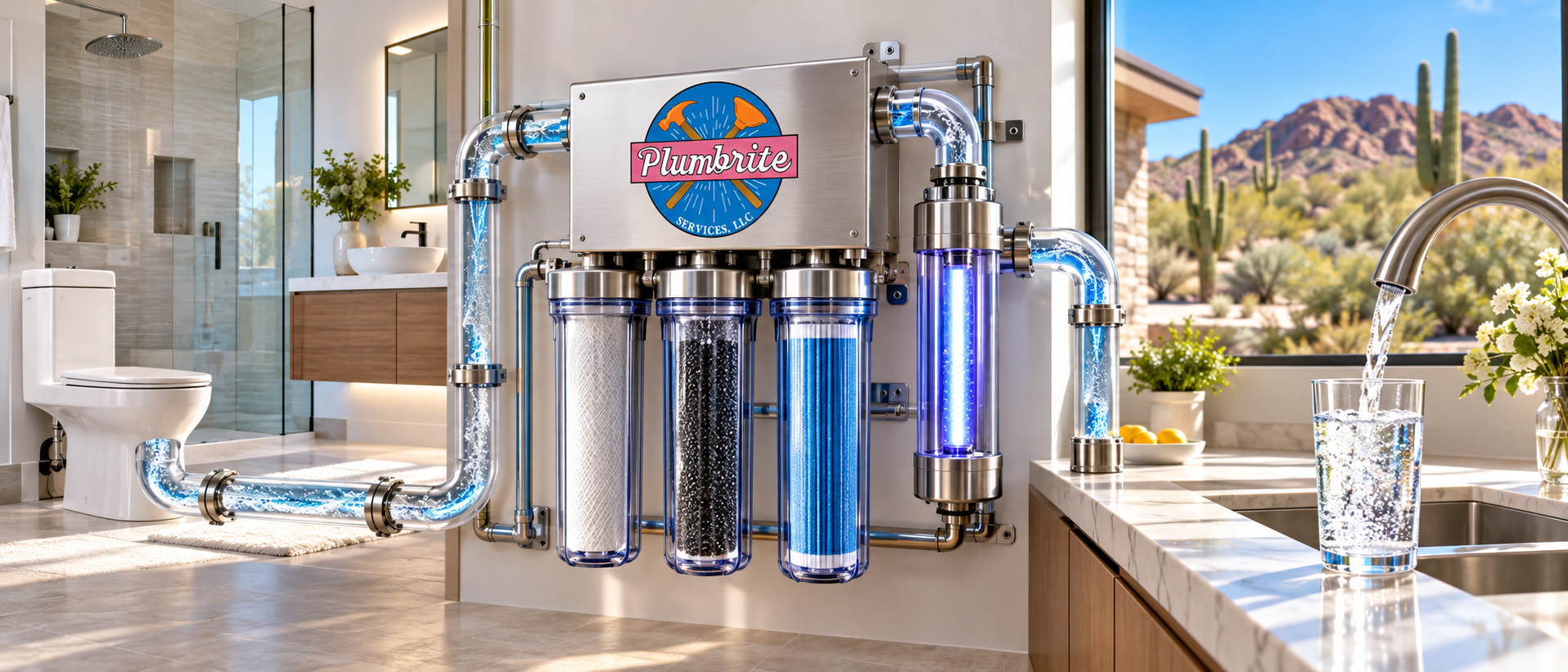
If you live in Cave Creek or Rio Verde, you’ve probably noticed it… even if you didn’t realize what was causing it. Spots on your dishes. Dry skin that never quite feels hydrated. Appliances that don’t seem to last as long as they should. And maybe—just maybe—you’ve thought: “Is it just me, or is the water here… different?” You’re not imagining things. Why Water Quality Is Different in Cave Creek & Rio Verde Unlike some parts of the Valley, many homes in Cave Creek and Rio Verde rely on well water or have higher mineral content in their supply. That means your water often contains elevated levels of calcium, magnesium, and other minerals—what we call “hard water.” It’s not necessarily unsafe… but it can definitely be hard on your home. And over time, it starts to show. What Hard Water Actually Does to Your Home Hard water doesn’t just leave spots on your glassware—it works quietly behind the scenes. Minerals build up inside your pipes, which can restrict water flow and put extra pressure on your plumbing system. Water heaters have to work harder. Fixtures wear out faster. And that “brand new” dishwasher? It might not stay that way for long. We also see it affect things people don’t always connect to their water—like laundry feeling stiff or skin and hair never quite feeling clean. It adds up. Signs It Might Be Time for a Filtration or Softening System Most homeowners don’t install a system overnight—it’s usually after dealing with the same frustrations again and again. If you’re constantly cleaning buildup off faucets, replacing fixtures more often than expected, or noticing that your water just doesn’t feel right… it’s worth taking a closer look. In Cave Creek and Rio Verde, we also talk to a lot of homeowners who are simply tired of guessing what’s in their water—especially those on well systems. And that’s where treatment systems come in. What Are Your Options? This is where things can feel a little overwhelming—because there isn’t just one solution. Some homes benefit from traditional water softeners, which remove minerals like calcium and magnesium. Others prefer salt-free systems that condition the water without adding sodium. And in many cases, a full filtration system is the best route—especially for well water—because it addresses not just hardness, but overall water quality. The “right” answer depends on your home, your water source, and your priorities. Which is why testing your water is usually the first step. Why This Matters More Than You Think It’s easy to brush off water quality as a minor annoyance. But over time, untreated hard water can lead to: • Increased wear on plumbing • Shorter lifespan for appliances • Higher energy costs (especially with water heaters) And let’s be honest—there’s also the daily frustration factor. Fixing your water doesn’t just protect your home… it makes everyday life a little easier. What to Do Next If you’re in Cave Creek or Rio Verde and you’ve been dealing with hard water—or you’re just curious what’s actually coming through your pipes—the best place to start is with a simple water test. From there, you can understand exactly what you’re dealing with and choose a system that makes sense for your home. No guesswork. No one-size-fits-all solutions. The Bottom Line Water quality in Cave Creek and Rio Verde is different—and that’s not necessarily a bad thing. But it does mean your home may need a little extra support to handle it. Whether it’s a softener, a filtration system, or a combination of both, the right setup can protect your plumbing, extend the life of your appliances, and make your water feel the way it should. Because when your water is working for you—not against you—everything else gets a little easier. ✨ If you want it done right, call Plumbrite.
By Aaron Mielke March 29, 2026
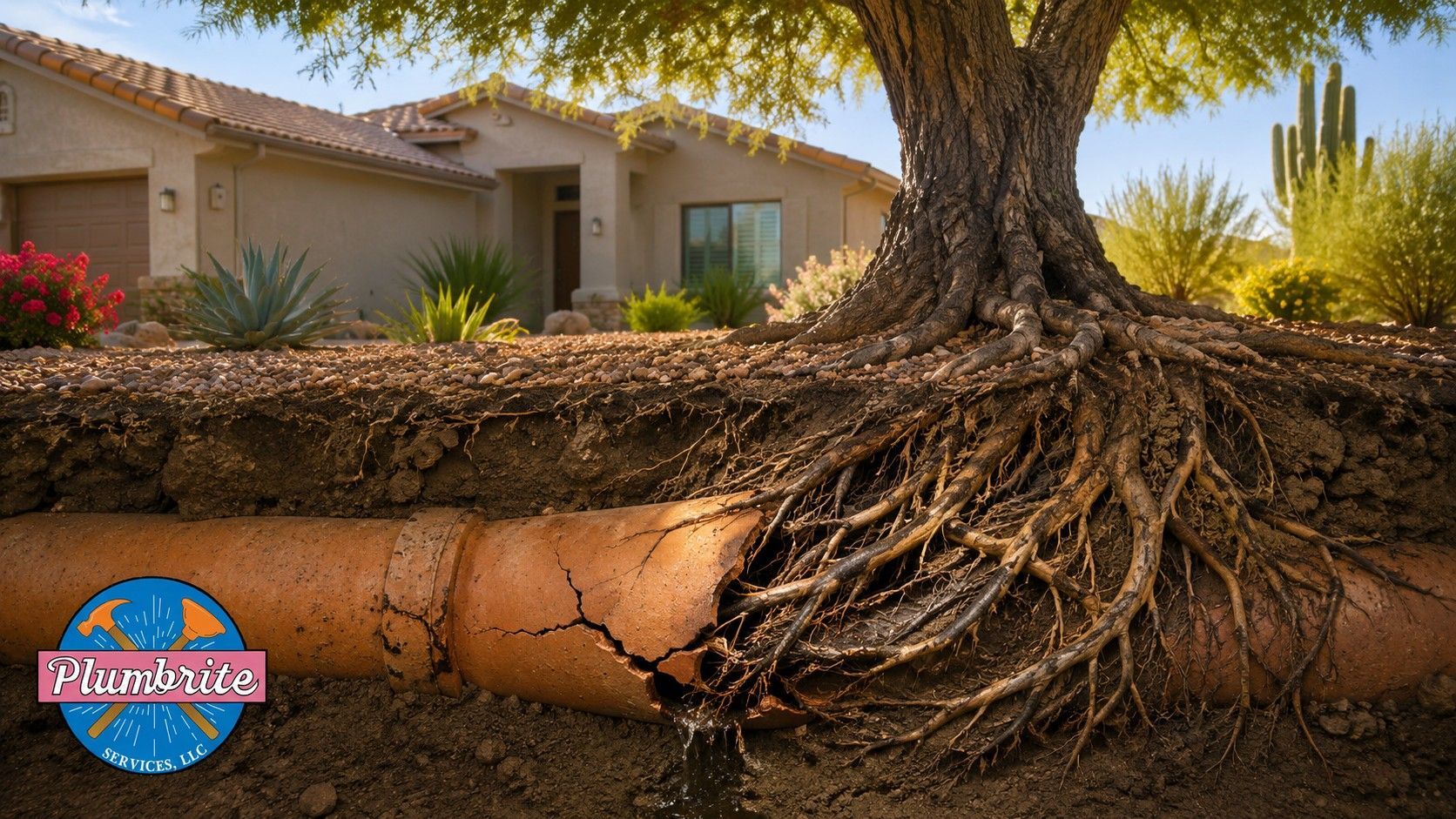
If you live in Old Town Scottsdale or parts of Phoenix, there’s a decent chance your home has a little bit of history. Charming? Absolutely. Solid bones? Usually. Old sewer pipes? Also… very likely. And unfortunately, those older sewer systems—especially cast iron—don’t last forever. So if you’ve been dealing with slow drains, weird smells, or backups that seem to come out of nowhere… your sewer line might be trying to tell you something. Let’s break down what’s going on, and more importantly, how to know whether you’re looking at a simple repair—or something bigger. Why Sewer Issues Are So Common in Older Scottsdale & Phoenix Homes Homes in Old Town Scottsdale and central Phoenix often have original plumbing systems dating back decades. Back then, cast iron was the go-to material for sewer lines. It worked well—for a long time. But over the years, those pipes can corrode, crack, or even collapse. Add in Arizona’s soil conditions, tree roots, and everyday wear and tear, and it’s no surprise we see many sewer line issues in these areas. It’s not bad luck. It’s just time catching up with older infrastructure. Signs Your Sewer Line Might Be in Trouble Most sewer problems don’t start with a dramatic backup (thankfully). They usually give you a few warning signs first. Maybe your drains are moving more slowly than usual—even after a cleaning. Or you’re noticing gurgling sounds when you flush the toilet. Some homeowners start catching a sewer smell they can’t quite track down. Others deal with recurring clogs that keep coming back no matter what they try. And then there’s the big one: sewage backing up into tubs, showers, or toilets. That’s when things go from “annoying” to “we need to fix this now.” When a Sewer Repair Might Be Enough Not every sewer issue means you need a full replacement. If the problem is isolated—such as a small crack, a minor root intrusion, or a specific blockage—a targeted repair can often resolve it. In some cases, sewer lining (also called CIPP) can reinforce the existing pipe without digging up your yard. It’s a great option when the pipe structure is still mostly intact but needs some support. This is usually the route when: • The issue is caught early • The damage is limited • The rest of the pipe is still in decent shape When It’s Time to Replace the Sewer Line Sometimes, though, a repair is just a temporary fix. If your sewer line is heavily corroded, collapsing, or having issues in multiple areas, replacement is often the smarter long-term solution. We see this a lot with older cast iron systems that have simply reached the end of their lifespan. And while replacement sounds like a big step (because it is), modern options—like trenchless sewer replacement or lining—can make the process far less invasive than most people expect. Translation: you might not have to tear up your entire yard after all. Why Waiting Usually Costs More We understand the hesitation. Sewer work isn’t exactly at the top of anyone’s “fun home projects” list. But waiting too long can turn a manageable issue into a much bigger—and more expensive—problem. Small cracks become full breaks. Minor backups can lead to major water damage. And what could have been a repair turns into a full replacement. Catching it early gives you options. Waiting limits them. What to Do If You Suspect a Sewer Issue If something feels off—slow drains, smells, recurring clogs—it’s worth having a professional take a look. A proper inspection (usually with a camera) can show exactly what’s happening inside your pipes, so you’re not guessing. From there, you can make an informed decision about repair vs replacement based on what your home actually needs. No surprises. No unnecessary work. The Bottom Line Sewer problems in older Scottsdale and Phoenix homes are common—but they’re also manageable with the right approach. Whether it’s a simple repair or a full replacement, the key is understanding what you’re dealing with early on. Because when it comes to sewer lines… A little knowledge (and a quick inspection) can save you a whole lot of headaches later. ✨ If you want it done right, call Plumbrite.
By Aaron Mielke, Owner March 25, 2026
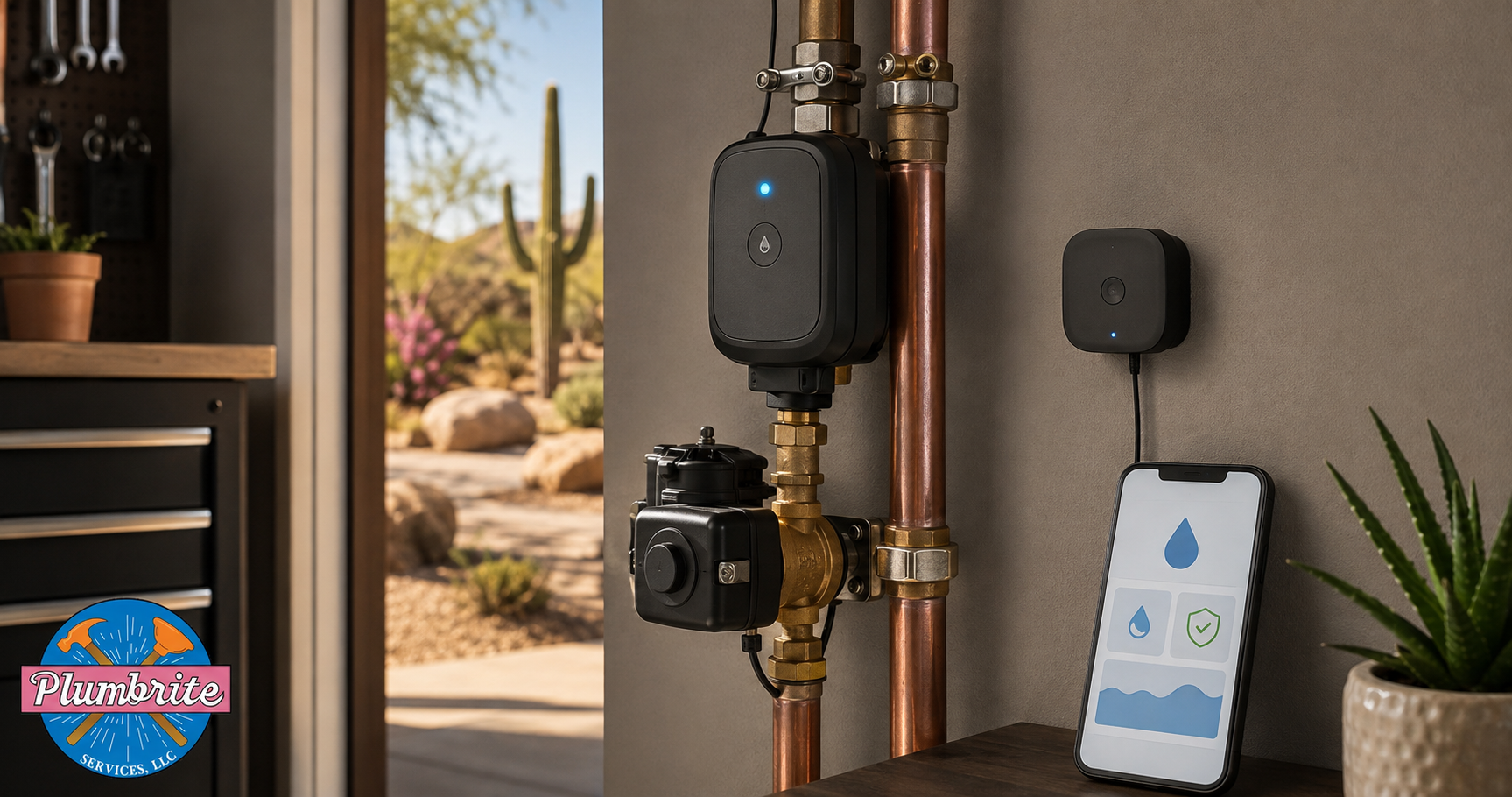
Slab Leaks in Scottsdale & Fountain Hills: What You Need to Know If you own a home in Scottsdale or Fountain Hills, your plumbing system is likely running through a concrete slab foundation. While this design is common across Arizona, it also means one thing: When a leak happens under your home, it can go unnoticed—until it becomes a serious (and expensive) problem. Slab leaks aren’t just plumbing issues. They can affect your foundation, flooring, and long-term structural integrity if not caught early. What Is a Slab Leak? A slab leak occurs when a water line beneath your home’s concrete foundation begins to leak. These leaks are typically: Pressurized water line failures Caused by wear, corrosion, or shifting soil Hidden under flooring and concrete Because they’re out of sight, they often go undetected longer than standard plumbing leaks. Why Slab Leaks Are Common in Scottsdale & Fountain Hills Homes in Scottsdale and Fountain Hills face a unique combination of conditions: Expansive desert soil that shifts over time Extreme temperature swings that stress pipes Hard water that contributes to pipe corrosion Older plumbing systems in established neighborhoods Areas like older parts of Scottsdale and hillside homes in Fountain Hills are especially prone due to soil movement and elevation changes. Signs You May Have a Slab Leak Catching a slab leak early can save thousands in repairs. Here are the most common warning signs: Unexplained increase in your water bill Warm or damp spots on your floors The sound of running water when nothing is on Cracks in flooring or walls Mold or mildew smells Low water pressure If something feels off, it’s worth having it checked. What Causes Slab Leaks? Slab leaks don’t just “happen”—they develop over time due to stress on your plumbing system. Common causes include: 1. Pipe Corrosion: Arizona’s mineral-heavy water can slowly wear down pipes from the inside. 2. Soil Movement: Shifting ground beneath your home can place pressure on pipes, eventually causing them to crack or break. 3. Poor Installation: Older homes or rushed builds may have plumbing that wasn’t properly sleeved or protected. 4. Abrasion: Pipes can rub against concrete over time, wearing down the pipe material. How Slab Leaks Are Detected At Plumbrite, slab leak detection isn’t guesswork. We use specialized equipment to pinpoint the exact location of the leak without tearing up your entire floor, including: Acoustic listening devices Pressure testing Thermal imaging when needed The goal is simple: find the leak quickly and minimize disruption to your home. Slab Leak Repair Options Not all slab leaks require the same solution. Depending on the situation, repair options may include: Spot repair – Fixing the specific section of pipe Pipe rerouting – Running new lines to bypass the damaged area Repiping – Recommended in cases of widespread corrosion Every home is different, and the right approach depends on the condition of your plumbing system. Why Acting Early Matters Slab leaks don’t stay small. Left untreated, they can lead to: Foundation damage Flooring replacement Mold growth Increased utility costs The earlier a leak is detected, the more options you have—and the less invasive the repair typically is. Slab Leak Repair in Scottsdale & Fountain Hills If you’re noticing signs of a slab leak, it’s worth getting answers sooner rather than later. At Plumbrite Services, we help homeowners in Scottsdale and Fountain Hills identify and repair slab leaks with minimal disruption and a clear plan forward. Final Thought Slab leaks are one of those issues you hope never happen—but if they do, catching them early makes all the difference. If something doesn’t feel right with your water usage, floors, or pressure, trust your instincts and get it checked. ✨ If you want it done right, call Plumbrite.
By Aaron Mielke, Owner March 23, 2026
Tankless water heaters are becoming popular in Cave Creek and Fountain Hills. Learn why homeowners are making the switch and whether it’s the right choice for your home. 🌵 A Shift We’re Seeing More and More Over the past few years, we’ve started to notice a pattern—especially in areas like Cave Creek and Fountain Hills. Homeowners aren’t just replacing water heaters anymore… they’re upgrading to tankless systems. And it’s usually not because something broke overnight. It’s because people are starting to think a little differently about how their home systems should work—more efficiently, more reliably, and with fewer surprises. And tankless water heater installation in Cave Creek and Fountain Hills fit the bill. 🚿 The “Running Out of Hot Water” Problem One of the most common frustrations we hear from homeowners is simple: “We run out of hot water too fast.” In households with multiple people—especially when showers, laundry, and dishes overlap—a traditional tank water heater can only do so much. Once that stored hot water is gone, you’re waiting. Tankless systems don’t store hot water—they heat it on demand. That means as long as the system is sized correctly, you’re not dealing with that same limitation. For many families, that alone is reason enough to make the switch. 🔥 Why Tankless Makes Sense in Arizona Homes Homes in Cave Creek and Fountain Hills tend to be a little different than the average neighborhood. You’ll often see: Larger homes Higher-end finishes Master bathrooms with oversized tubs or multiple shower heads All of that increases demand on your hot water system. Tankless systems are often a better match for these types of homes because they’re designed to handle continuous demand, not just a fixed tank capacity. ⚠️ What Happens with Traditional Tank Systems Over Time Traditional water heaters do their job—but they also have a lifespan, and they tend to show it. Over time, we see: Sediment buildup inside the tank Reduced heating efficiency Longer recovery times And eventually… leaks That last one is usually what gets people’s attention. A failing tank water heater doesn’t just stop working—it can cause water damage if it leaks or bursts. That’s one of the biggest reasons homeowners start looking at alternatives before their current system fails. 💧 Efficiency and Long-Term Thinking Tankless systems are often part of a bigger shift toward efficiency. Instead of constantly heating and reheating a tank of water, tankless units only run when you need hot water. That can reduce energy usage over time, especially in households with variable demand. They also tend to last longer than traditional tanks when properly maintained, which makes them appealing for homeowners thinking long-term. 🔍 Is Tankless Right for Every Home? Not always—and this is where honest guidance matters. Tankless systems: Need proper sizing May require upgrades to gas lines or electrical systems Work best when installed with your home’s layout in mind That’s why it’s not a one-size-fits-all solution. The goal isn’t to sell tankless—it’s to make sure you’re choosing the right system for how your home actually functions. 📍 Why We’re Seeing This Trend in Cave Creek & Fountain Hills In these communities, homeowners tend to: Stay in their homes longer Invest in upgrades that improve daily living Value reliability and performance Tankless water heaters align really well with that mindset. It’s less about “fixing a problem” and more about improving how your home works every day. 💬 Final Thought Switching to a tankless water heater isn’t just a trend—it’s a shift toward efficiency, convenience, and long-term reliability. Ready to upgrade to a tankless water heater? Plumbrite provides expert installation throughout Cave Creek, Fountain Hills, and the surrounding areas. Call 602-740-0549 to schedule your estimate today. If you want it done right, call Plumbrite!
By Aaron Mielke, Owner March 18, 2026
Hot water is something most homeowners don’t think about—until it suddenly disappears. In Arizona homes, water heaters work hard year-round. Between mineral-heavy water and daily household demand, even a well-maintained unit eventually reaches the end of its life. If you live in Scottsdale or the greater Phoenix area, here are seven signs it may be time to replace your water heater before it fails completely. 1. Your Water Heater Is Over 8–12 Years Old Most traditional tank water heaters last about 8–12 years depending on maintenance and water quality. Arizona’s hard water can shorten that lifespan because minerals build up inside the tank over time. If your system is approaching that age range, it’s smart to start planning for replacement before a failure causes flooding or emergency repairs. 2. Rusty or Discolored Water If you notice rust-colored water coming from your hot water taps, it could indicate corrosion inside the tank. Once rust begins forming inside the water heater, replacement is usually the safest option. 3. Your Hot Water Runs Out Quickly Does your shower turn cold faster than it used to? Sediment buildup from Arizona’s mineral-heavy water can reduce the tank’s capacity and heating efficiency, meaning less hot water for your home. 4. Strange Noises from the Tank Popping, banging, or rumbling sounds often mean sediment has hardened inside the tank. This buildup forces the heater to work harder and can eventually damage internal components. 5. Water Leaks Around the Unit Even a small leak around the base of a water heater can signal a failing tank. Once the tank itself begins leaking, replacement is typically the only long-term solution. 6. Higher Energy Bills Older water heaters lose efficiency over time. Modern units are designed to heat water faster while using less energy, which can help lower monthly utility costs. 7. Frequent Repairs If you’re calling for repairs every year, replacing the system may be the smarter financial choice. A new water heater provides reliable hot water and peace of mind. Choosing the Right Water Heater for Your Arizona Home When it’s time to replace your system, homeowners typically choose between: Traditional Tank Water Heaters Reliable and affordable with familiar operation. Tankless Water Heaters Provide on-demand hot water and improved energy efficiency. A licensed plumber can help determine which system best fits your home’s size, usage, and budget. Water Heater Replacement in Scottsdale If your water heater is showing signs of failure, it’s better to address the issue before you wake up to a cold shower—or a flooded garage. The team at Plumbrite provides professional water heater replacement services for homeowners throughout Scottsdale and the surrounding communities. Our technicians can inspect your current system, recommend the best replacement option, and ensure the installation is done safely and efficiently. ☎️ Need a water heater replacement in Scottsdale? Contact Plumbrite today to schedule an inspection and restore reliable hot water to your home. If you want it done right, Call Plumbrite!
A plumber lying under a sink l Plumbrite Services LLC, Re-route Plumbing Scottsdale, AZ
January 30, 2025
Re-routing plumbing in Scottsdale, AZ can be necessary in certain circumstances, such as outdated plumbing, frequent leaks, or remodeling projects. Read on to learn more about when it's time to upgrade your plumbing system.
Plumber from Plumbrite Services LLC, fixing water tap in Scottsdale, AZ
January 20, 2025
Want to Know the benefits of hiring a professional plumber in Scottsdale, AZ? Click to learn what you have to keep in mind for excellent plumbing services.