What’s Really in Your Well Water?

Aaron Mielke • April 15, 2026

A Rio Verde Homeowner’s Guide to Cleaner, Safer Water

What’s Really in Your Well Water? A Rio Verde Homeowner’s Guide to Cleaner, Safer Water

If you live in Rio Verde, there’s a good chance your home relies on well water. And while that independence is great, it also means one important thing:

You are responsible for the quality of your water.

Unlike city water systems, well water isn’t treated or monitored by a municipality. What’s coming out of your tap is coming straight from the ground beneath your home… and that can vary more than most homeowners realize.


So… What’s Actually in Well Water?

Most of the time, well water looks fine. Clear. Odorless. Nothing that raises a red flag.

But that doesn’t always mean it’s clean.

In areas like Rio Verde, we often see:

  • Hard water minerals like calcium and magnesium
  • Iron, which can cause rust-colored staining in sinks and tubs
  • Sediment, especially after storms or changes in groundwater levels
  • Sulfur, which can create that “rotten egg” smell
  • In some cases, bacteria or contaminants that aren’t visible at all

That’s why one of the most common things we hear from homeowners is:

“The water looks fine… but something feels off.”


Why It Matters More Than You Think

Well water doesn’t just affect what you drink.

It impacts your entire home.

Over time, untreated water can:

  • Build up inside your plumbing system
  • Damage fixtures and appliances
  • Reduce the lifespan of your water heater
  • Leave residue on dishes, glassware, and showers
  • Affect the way your skin and hair feel after bathing

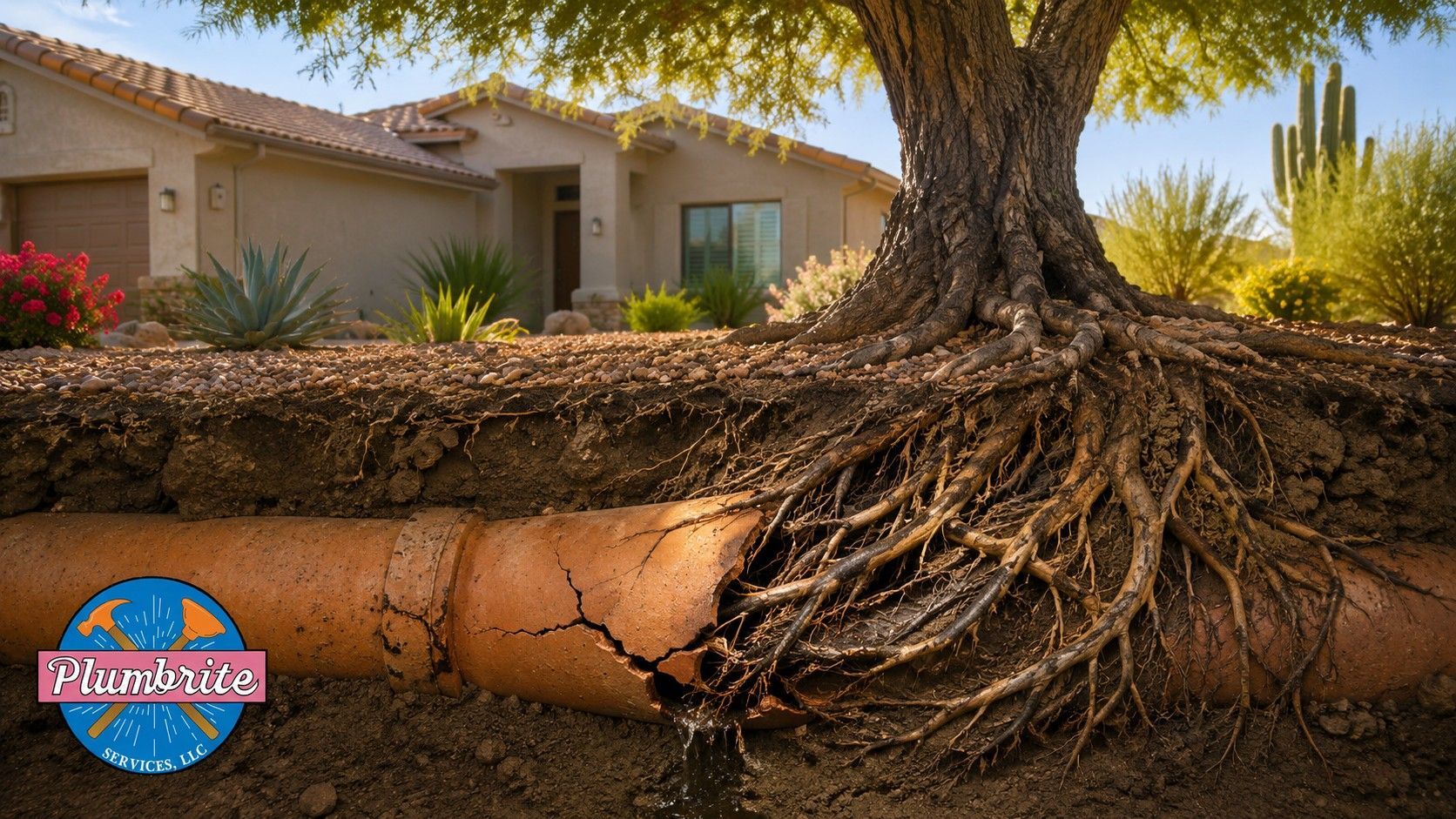
And because these changes happen gradually, they’re easy to overlook… until the damage is already done. In some cases, older underground piping systems may also need to be evaluated or replaced—especially if you’re noticing multiple plumbing issues throughout the home


The Good News: You Have Options

The great thing about well water is that it’s treatable.

With the right system in place, you can turn questionable water into something clean, consistent, and safe for your entire home.

Depending on your specific water quality, solutions may include:

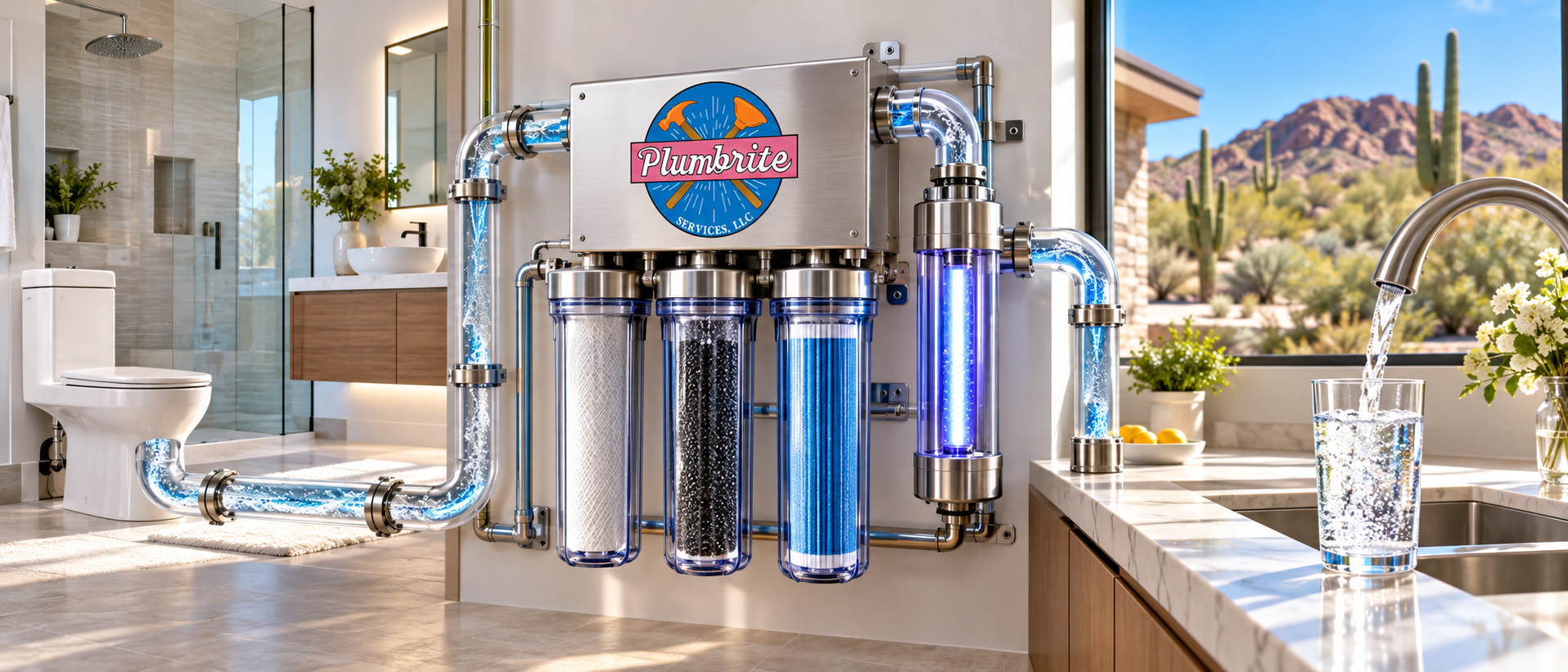
  • Whole-home filtration systems
  • Water softeners to handle hard water minerals
  • Iron removal systems
  • UV purification systems for added protection against bacteria

The key is starting with the right approach — not every home needs the same setup.


What We Recommend for Rio Verde Homeowners

If you’re on well water and haven’t had it tested recently, that’s the first step.

From there, it’s about building a system that fits your home, your water, and your lifestyle.

At Plumbrite, we work with homeowners throughout Rio Verde and the surrounding areas to:

  • Evaluate water quality
  • Identify problem areas
  • Recommend practical, effective solutions (not overbuilt systems you don’t need)

Because at the end of the day, this isn’t just about plumbing.

It’s about making sure the water your family uses every day is something you can trust.


Clean Water Starts with Knowing What You’re Dealing With

If you’ve ever wondered what’s really in your well water… you’re not alone.

And the answer might surprise you.

But the good news? Once you know, you can fix it.


If you want it done right, call Plumbrite.
By Aaron Mielke, Owner May 29, 2026
Hydro jetting uses high-pressure water to clear tough drain and sewer line blockages. Learn when hydro jetting is the right solution for your AZ home.
By Aaron Mielke May 26, 2026
Prepare your Arizona home for summer with plumbing tips, leak prevention advice, water heater maintenance, and smart ways to avoid costly repairs.
By Aaron Mielke May 18, 2026
What Scottsdale & Phoenix Homeowners Should Know About Kitchen Drains
By Aaron Mielke May 14, 2026
Mineral buildup, water heater strain, pipe damage, and the hidden ways Arizona hard water can affect your home.
By Aaron Mielke May 11, 2026
How Arizona Heat, Hard Water & Soil Movement Can Impact Your Home’s Plumbing
By Aaron Mielke May 8, 2026
If you’re dealing with sewer issues in Phoenix, Scottsdale, or anywhere across the Valley, one of the biggest questions homeowners face is:
By Aaron Mielke May 3, 2026
Learn when Arizona homes may need repiping and what homeowners in Scottsdale & Fountain Hills can expect during the process.
By Aaron Mielke April 27, 2026
You turn on the shower expecting a normal start to your day… and instead, it’s barely a trickle. Low water pressure has a way of sneaking up on you. Sometimes it’s gradual. Sometimes it feels like it happened overnight. Either way, it’s frustrating, and it usually means something has changed behind the scenes. If you’re in Scottsdale, Fountain Hills, or nearby areas, here are the most common reasons your water pressure suddenly drops… and what you should do next. A Hidden Leak Somewhere in the System One of the most common causes of sudden low water pressure is a leak . It could be underground near your main water line, behind a wall, under your foundation, or even near your water meter. When water escapes before it reaches your fixtures, you’ll notice a pressure drop. What to look for: • Unexplained wet spots in your yard • A spike in your water bill • The sound of running water when nothing is on This is one you don’t want to ignore. Small leaks can turn into big (and expensive) problems fast. Buildup Inside Your Pipes Over time, minerals from Arizona’s hard water can build up inside your pipes. That buildup slowly restricts water flow until one day… You notice the pressure just isn’t what it used to be. This is especially common in older homes, homes without a water softener, or homes with aging plumbing systems. A Failing Pressure Regulator If your whole home is experiencing low pressure, your pressure regulator could be the issue. This device controls the water pressure coming into your home. When it starts to fail, pressure can drop suddenly or fluctuate. Signs this might be the problem: • Low pressure throughout the entire house • Inconsistent flow (sometimes strong, sometimes weak) • Recent plumbing work Fixture-Specific Issues Sometimes the problem isn’t your whole system… It’s just one fixture. Showerheads and faucets can get clogged with mineral deposits, sediment, or debris. If only one sink or shower is affected, this is a good place to start. City or Neighborhood Water Supply Changes Occasionally, the issue isn’t inside your home at all. Water pressure can drop due to city maintenance, nearby construction, or high demand during peak usage times. If your neighbors are experiencing the same issue, this could be the cause. Valve Issues (More Common Than You Think) It sounds simple, but it happens all the time. Your main shut-off valve or water meter valve might not be fully open—especially if you’ve recently had plumbing work done or the city accessed your water line. Even a partially closed valve can significantly reduce pressure. What Should You Do Next? Low water pressure isn’t something to ignore, but it’s also not something to panic about. Start with the basics. Check if it’s affecting the whole house or just one fixture. Ask a neighbor if they’re noticing the same thing. Look for obvious signs of leaks or water issues. If the cause isn’t clear, it’s worth having a professional take a look . Catching the issue early can save you from bigger repairs down the road—and help your home feel normal again. Local Help in Scottsdale & Fountain Hills If your water pressure has dropped and you’re not sure why, the team at Plumbrite Services is here to help. We’ll take the time to diagnose the issue properly, explain what’s going on, and walk you through your options in a way that makes sense. Because when something feels off in your home, you deserve clear answers and reliable solutions. If you want it done right, call Plumbrite. 📞 602-740-0549
By Aaron Mielke April 22, 2026
A small plumbing drip can lead to water damage, mold, and costly repairs. Learn why early plumbing repairs matter for Arizona homes.
By Aaron Mielkee April 18, 2026
If you’re dealing with low water pressure, unexplained leaks, or an aging water line in Scottsdale or Fountain Hills, you may be facing a major repair. The good news? It doesn’t always mean digging up your entire yard. Trenchless water line replacement is quickly becoming one of the most efficient and least invasive ways to solve serious plumbing issues—especially in Arizona homes where landscaping, hardscaping, and irrigation systems can be costly to disturb. What Is Trenchless Water Line Replacement? Traditional water line replacement often involves extensive digging to access and replace damaged pipes. Trenchless methods, on the other hand, allow plumbers to replace or repair underground lines with minimal disruption. This means: Less damage to your yard, driveway, or patio Faster completion times Long-term durability with modern materials Common Signs You May Need Water Line Replacement Homeowners in Scottsdale and Fountain Hills often notice early warning signs before a full failure occurs. These can include: Sudden drops in water pressure Unexplained increases in water bills Wet spots in your yard or foundation areas Discolored or rusty water Ignoring these signs can lead to more extensive and expensive damage over time. Why Trenchless Is Ideal for Arizona Homes Many homes in this area have mature landscaping, decorative stone, or irrigation systems that can be costly to repair after traditional excavation. Trenchless solutions help preserve these investments while still addressing the root problem. It’s also a great option for properties with limited access or tight spaces where traditional digging would be difficult. Repair vs Replacement: What’s Right for You? Not every issue requires a full replacement. In some cases, targeted repairs or reroutes may be enough. A professional inspection can help determine whether trenchless replacement is the most cost-effective long-term solution. At Plumbrite, we take the time to walk homeowners through their options so they can make an informed decision—without pressure. Final Thoughts Major plumbing issues don’t have to mean major disruption. If you’re experiencing water line problems in Scottsdale or Fountain Hills, trenchless solutions may offer a faster, cleaner, and more efficient path forward. If you want it done right, call Plumbrite.